Online Reporter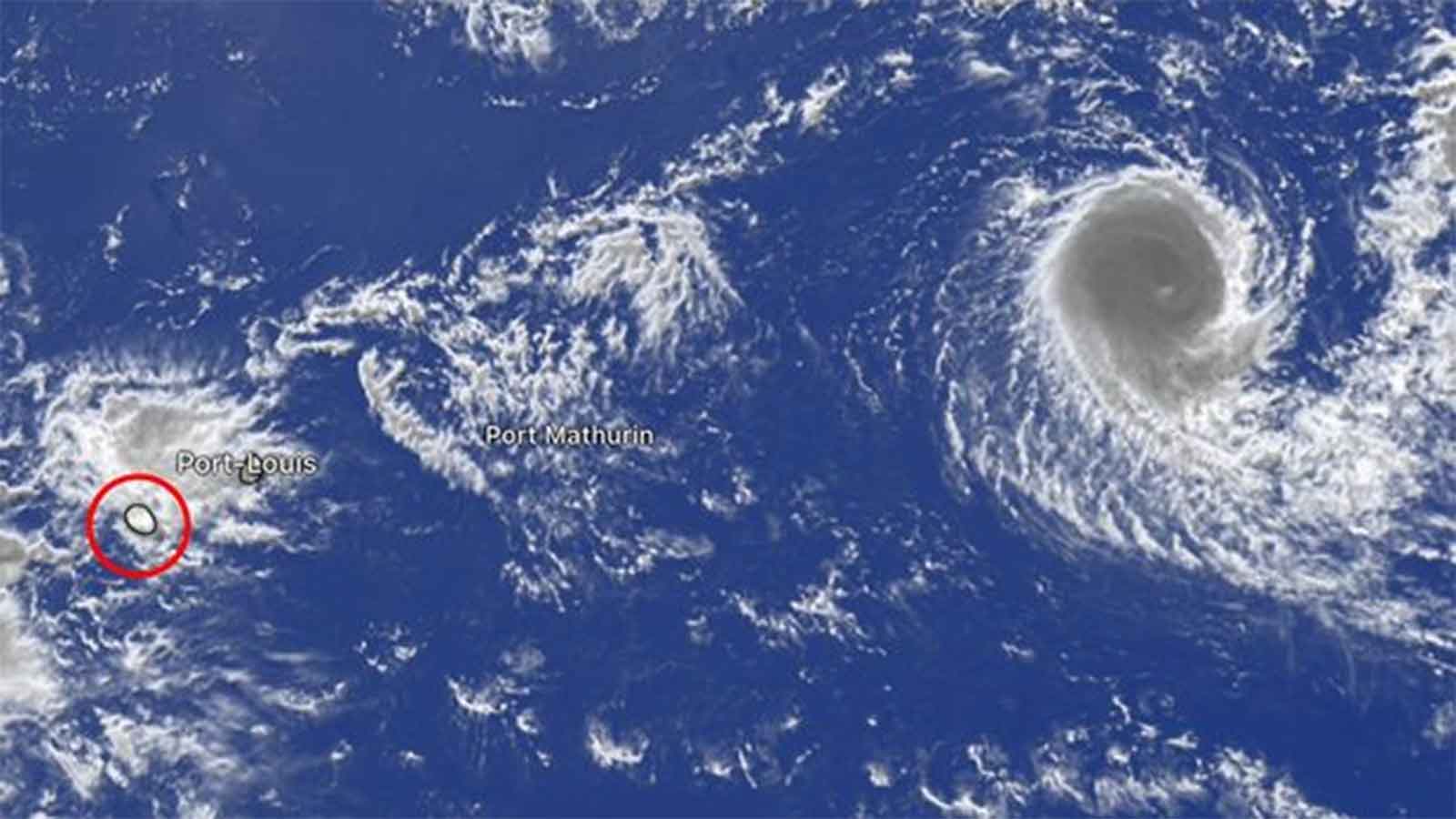
Elita Chikwati-Agriculture News Editor
The Meteorological Services Department has reassured the public that Cyclone Dudzai will have no impact on the country.
The department is actively monitoring weather systems and will keep the public informed.
Cyclone Dudzai is the fifth cyclone recorded in the 2025/26 rainfall season. According to MSD, the tropical cyclone season is projected to witness more than nine cyclones, four of which have already occurred.
“In terms of the 2025/26 tropical cyclone season, we have experienced four cyclones in the South West Indian Ocean,” said the MSD.
“The first was Cyclone Awol, named by Malawi, which dissipated in the Indian Ocean. The second, named Blossom by Seychelles, also ended in the Indian Ocean. The third cyclone was Chenge, named by Tanzania,” said the MSD’s head of forecasting, Mr James Ngoma.
He explained that Cyclone Chenge was headed towards Tanzania, but never made landfall on the African mainland.
The fourth was Tropical Cyclone Grant, which travelled all the way from Australia. Although it was not classified as a South West Indian Ocean cyclone, it headed towards Madagascar, but also faded and did not reach Zimbabwe.
The MSD is monitoring Cyclone Dudzai, which has been named by Zimbabwe. According to the latest projections, Dudzai is also expected to dissipate before reaching Madagascar or any other part of mainland Africa.
Indications suggest it will fade away within the Indian Ocean and will not impact any major landmass, explained Mr Ngoma.
Historically, cyclones typically affect Zimbabwe between February and March, when the country experiences its highest rainfall.
The MSD has urged communities in flood-prone areas to heed warnings from the Department of Civil Protection.
Government has assured the people that it is well prepared for the rainy season and capable of responding to any disasters that may arise.
Department of Civil Protection Unit chief director, Mr Nathan Nkomo, confirmed that the level of readiness for the season is high, but emphasised the need for adequate funding to address issues related to the rainy season.
“What we need are the funds, especially this time. Our multi-hazard contingency plan addresses the residual effects of past disasters, but we have not adequately attended to the necessary structures. This season’s rainfall could be particularly destructive,” he noted.
To improve disaster response, the Government has crafted the National Multi-Hazard Contingency Plan, which enhances preparedness and response capabilities from national and sub-national levels down to villages.
The plan aims to coordinate timely responses to emergencies through collaboration among the Government and its partners.
As the rainy season approaches, authorities are committed to ensuring that communities are prepared and that resources are allocated effectively to mitigate potential impacts.