Online Reporter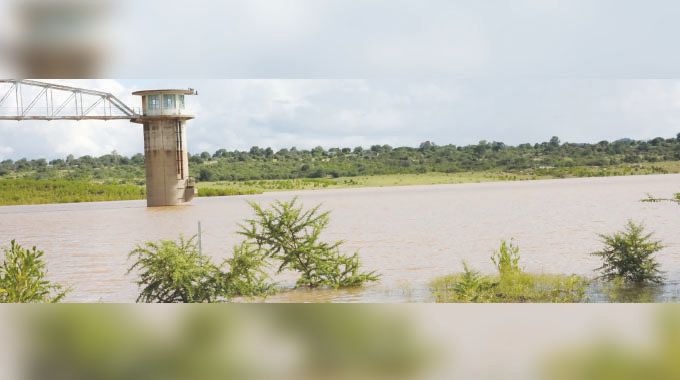
Peter Matika, Senior Zimpapers Writer
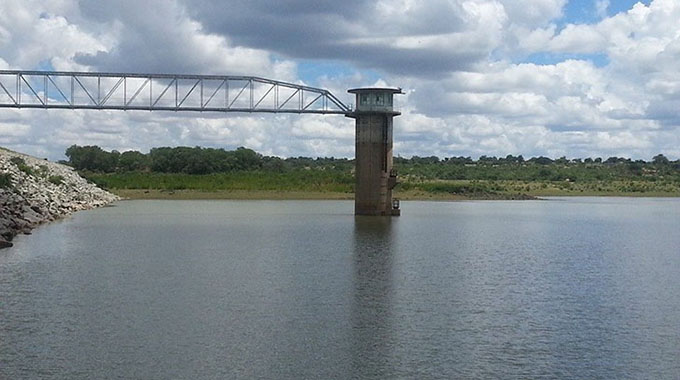
BULAWAYO’S water supply situation remains fragile despite a modest improvement in dam levels, with the city’s six supply dams collectively standing at 41,89 percent full as of December 29, 2025, according to the latest City of Bulawayo Dam Watch report.
According to council, there is a notable improvement compared to the same period last year, when overall dam levels were at 25,89 percent, offering cautious optimism as the rainy season progresses.
The report indicates that Mtshabezi Dam is at present the best-performing at 86,17 percent, followed by Lower Ncema at 44,64 percent and Insiza Mayfair at 45,82 percent. Upper Ncema stands at 34,76 percent, Umzingwane at 2738 percent, while Inyankuni Dam remains the lowest at 16,37 percent.
Despite the improved percentages, the City of Bulawayo noted that no significant inflows were recorded on December 28, 2025, with cumulative inflows since October amounting to 27 008 962 cubic metres, representing a total capacity increase of just 6,51 percent.
Bulawayo Town Clerk, Mr Christopher Dube, in a statement, said minimal inflows have been received since the onset of the 2025/26 rainy season in October, when overall dam levels stood at 38,36 percent.
“The table illustrates that minimal inflows have been received since the first inflows were recorded on October 21, 2025. To date, the overall rise in dam levels capacity is 6,51 percent,” said Mr Dube.
Bulawayo has for years grappled with chronic water shortages, largely due to poor rainfall, climate change impacts and the city’s heavy reliance on surface water sources.
The situation often worsens during prolonged dry spells, forcing the local authority to implement stringent water-shedding schedules that can leave some suburbs without water for days. In 2023 and 2024, the city experienced critically low dam levels, with some reservoirs dropping below 30 percent, prompting residents, industry and institutions to rely heavily on boreholes and water trucking.
The water crisis has also continued to place pressure on council finances, as ageing infrastructure struggles to cope with fluctuating supply.
While the current dam levels are higher than last year’s, water experts and city officials have repeatedly warned that the improvement remains insufficient to guarantee an uninterrupted supply, especially if the rainy season underperforms. Council has previously urged residents to use water sparingly and adhere to conservation measures, including repairing leaks, avoiding hosepipe use and limiting non-essential consumption.