Online Reporter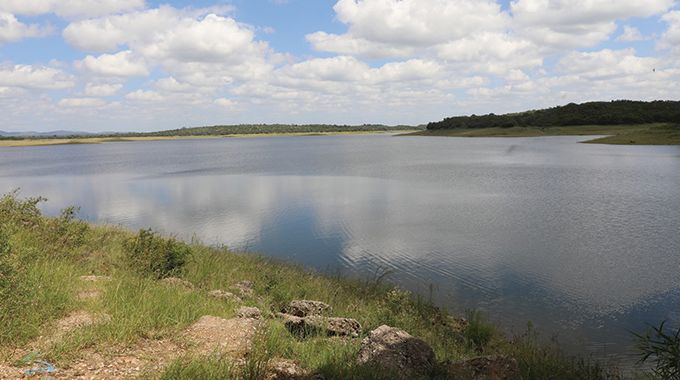
Nqobile Bhebhe, [email protected]
THE City of Bulawayo is set to review its water shedding regime in March after a thorough assessment of rainfall inflows into the supply dams, with officials indicating that the situation is dire.
The city relies on six supply dams — Umzingwane, Inyankuni, Upper Ncema, Lower Ncema, Mtshabezi and Insiza — which often run critically low during drought periods.
However, the dams have recorded insignificant inflows, a worrying development for city authorities who had hoped recent rains would significantly improve storage levels.
The development comes at a time when water availability remains a lifeline for Bulawayo, a city that has endured years of chronic shortages affecting households, industry and essential services.
Reliable water supplies are critical for public health, economic productivity and the functioning of key sectors such as manufacturing, health care and education.
Persistent shortages have also placed a strain on residents who already grapple with erratic supplies and ageing infrastructure.
The Zimbabwe National Water Authority (Zinwa) last week reported that Umzingwane Dam is 35,4 percent full while Inyakuni stands at just 19,8 percent capacity, underlining the fragile state of the city’s water security despite recent rains.
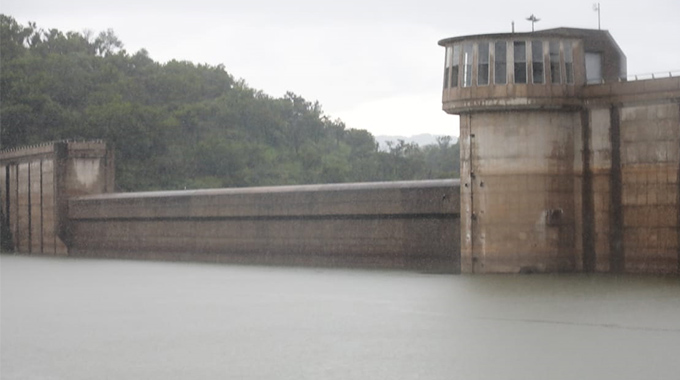
In contrast, Mtshabezi Dam is 100 percent full and spilling for the first time in nine years, having last overflowed in 2017. The development has been widely celebrated as a sign of improved rainfall patterns in the catchment, a rare and welcome shift after years of drought and climate stress.
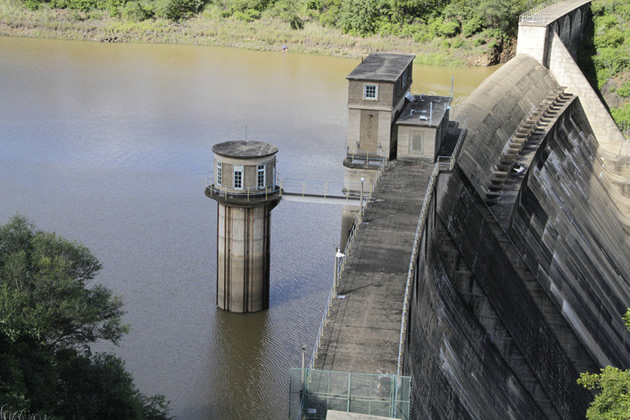
Mtshabezi Dam has a capacity of 11,4 million cubic metres.
On Friday, City of Bulawayo officials and the media toured two of the city’s supply dams — uMzingwane and Inyankuni amid growing concern over illegal gold mining activities threatening water inflows into the reservoirs.
Director of Water and Sanitation, Engineer Sikhumbuzo Ncube said the water situation raises “red flags”.
Eng Ncube indicated that a water shedding review process will be done after the rainy season, following an assessment of water inflows.
“Upper Ncema is a key reservoir that we use during a dry spell. Usually around August and September we seek permission to allow us to release water from Upper Ncema to Lower Ncema. But you saw the state of Upper Ncema and that terrifies, the situation is not looking good,” he said.
He said between 2017 and 2018 uMzingwane Dam was over 70 percent full around this time of the year but now it is around 32 percent.
“We are not even half the 70 percent and it’s a red flag which we should be worried about. So when it’s asked what are we going to do with water shedding, we still have another one and a half months to review our status of the water situation in Bulawayo.
“As council, we will return again after the rainy season to assess the levels of inflows in the dams and then revise the shedding issue. A lot of people are asking us in Bulawayo why, in view of the current rains are we not removing water shedding, we have just managed to reduce from 130 hours a week to 96 hours.
“What we normally do in March is a stocktake of available water. Our rainy season usually ends around March and we are only left effectively with February which is usually the peak of the rainy season in this region.
“We will access the water levels, but at the moment, it is worrying. Our reservoir has little water,” he emphasised.
The shortage has forced the local authority to implement strict water-shedding schedules, with some suburbs going days or even weeks without water.
Residents often turn to alternative sources such as boreholes, wells, or unsafe water points, raising fears of water-borne disease outbreaks.
Additionally, illegal gold panning along river catchments has worsened the crisis by disrupting inflows into dams, increasing siltation and damaging fragile ecosystems that play a key role in water retention.
City officials have repeatedly warned that such activities undermine efforts to secure the city’s long-term water supply.
As Bulawayo awaits the outcome of the March assessment, the city’s water security remains delicately balanced, with authorities pinning hopes on the remainder of the rainy season while urging residents to continue conserving the precious resource.