Vusumuzi Dube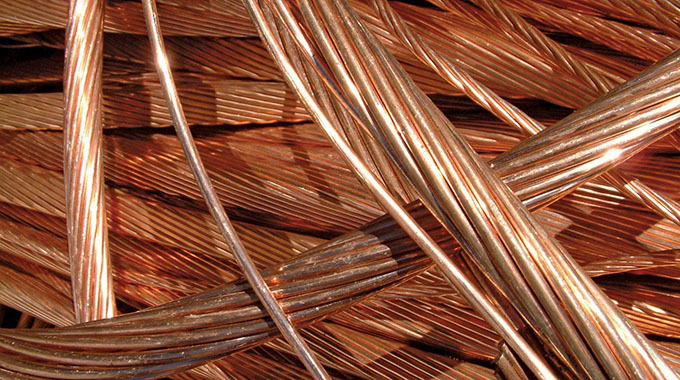
Dalyn Chigwizura, Sunday News Reporter
DARING is apt in describing the brazen acts of a 41-year-old Bulawayo man who allegedly broke into the Khami Prison premises after cutting the facility’s perimeter fence to steal copper cables.
Open Tamuka Mutsvangwa of Emganwini suburb appeared before Western Commonage regional magistrate Mr Pasipanodya Maturure, facing charges of cutting, damaging, destroying or interfering with apparatus used for generating, transmitting, distributing or supplying electricity in violation of the Electricity Act.
He was remanded in custody to 12 November.
Prosecuting, Mr Milton Moyo told the court that the incident occurred on the night of 28 October.
“On that date, the accused person, together with three accomplices who are still at large, proceeded to Khami Prison where they cut through a security fence to gain entry into the premises,” said Mr Moyo.
Once inside, Mutsvangwa and his alleged accomplices used a bolt cutter to cut 135×25mm² and 160×16mm² overhead copper cables.
The gang then dragged the cables outside the prison premises, loaded them into Mutsvangwa’s vehicle and drove to a nearby bush, where they burnt the insulation to extract the copper.
Afterwards, they reloaded the stripped cables and drove towards Luveve Cemetery, but were intercepted by Zimbabwe Prisons and Correctional Services (ZPCS) officers who had tracked them from the scene.
During the arrest, Mutsvangwa allegedly tried to flee but was stopped after four warning shots were fired into the air by prison officers.
His three accomplices managed to escape and remain at large and police have since launched a manhunt. The stolen copper cables and the bolt cutter used in the heist were recovered from Mutsvangwa’s vehicle.
Zimbabwe has in recent years witnessed a surge in copper cable theft, a crime that disrupts electricity supply, telecommunications and railway operations.
According to Zesa Holdings, the power utility loses millions of dollars annually due to vandalism and theft of power lines, transformers and copper cables. The stolen copper is often sold to illegal scrap dealers or smuggled to neighbouring countries.
Authorities have since intensified surveillance and increased penalties under the Electricity Act, which provides for mandatory jail terms for those convicted of tampering with electricity infrastructure.



 Online Reporter