Chronicle Editor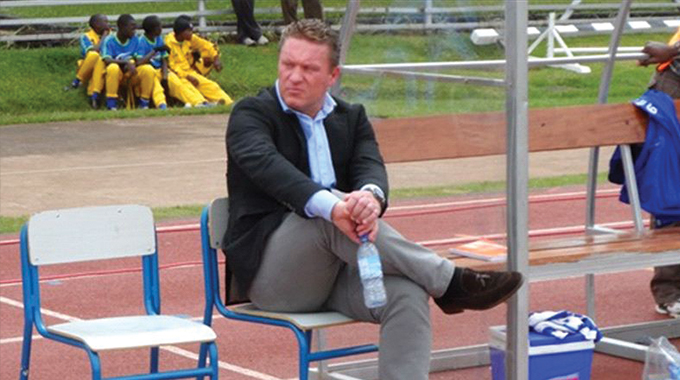
Innocent Kurira, Sports Reporter
DUTCHMAN Hendrik Pieter de Jongh believes he will win the Coach of the Year accolade in the next Premier Soccer League season.
Although it’s still not known when the local league will start, De Jongh appears to be confident of a positive campaign with his new side FC Platinum when football eventually resumes.
De Jongh won the pre-season opener Castle Challenge Cup with his Zvishavane side and it was the only competitive match played this year before every sport was frozen by the Covid-19-induced national lockdown at the end of March.
He was likened to a “messiah” during his short stint with Highlanders for the number of victories he choked up to help Bosso finish in a respectable position in the league.
The Dutchman also won the Chibuku Super Cup with Highlanders before jumping ship to join the platinum miners.
De Jongh believes he is a messiah for the way he rescued Highlanders after joining them at a tumultuous time when results were not coming, and they were at the wrong end of the league table.
In his three months in charge, he managed to lead Bosso to the Chibuku Cup glory and a sixth-place finish in the league.
In total, he oversaw 15 games in all competitions and only lost once to Bulawayo Chiefs in a league encounter.
While a sixth-place finish is unacceptable for a club such as Bosso, things could have been worse without De Jongh. After his arrival, the team started playing entertaining football and began winning games.
De Jongh managed to instil confidence in Prince Dube after a dip in form for the better part of the season.
The young striker, who recently joined Azam in Tanzania on a two-year deal, found his scoring touch and became the danger man he had promised to be during pre-season.
De Jongh is also adamant that his exploits last season with Bosso were enough to be considered for Coach of the Year.
“Last year I lost it on a technicality, this year it’s coming home,” wrote De Jongh on his twitter timeline.
Responding to some who shared a different opinion, De Jongh referred to the Castle Challenge Cup and Chibuku Super Cup wins as the basis for his argument.


 Online Reporter