Chronicle Editor
Yoliswa Dube-Moyo, Matabeleland South Bureau Chief
THE Department of Veterinary Services in Matabeleland South province has warned farmers against illegal movement of cattle from January disease red zones after a farmer from Insiza District lost 28 beasts, which were moved without a permit.
The department had to destroy all the cattle after the farmer moved them from Lancaster Farm to Lubuze illegally. Lancaster Farm and Gwatemba are under quarantine after January disease was detected in both areas earlier this year.
January disease (Theileriosis), which is an acute, frequently fatal disease, only affects cattle and is primarily transmitted by ticks.
It is more prevalent during the rainy season and cattle can be infected with the theileria parasite without necessarily showing any signs of clinical disease.
January disease is common between December and March and is spread through the bite of the brown ear tick.
In February, the Department of Veterinary Services said farmers who do not comply with the recommended dipping programmes, which are effective in preventing the spread of January disease, faced arrest and prosecution.
Matabeleland South provincial veterinary services director Dr Enat Mdlongwa said it was important for farmers to understand the need for livestock disease control to preserve their herds.
“I had to destroy 28 animals on Tuesday after a farmer moved them from a theileriosis quarantine area to a clean area. This disease can wipe out our herd if we’re not careful, that’s why it’s important to control it.
“Out of the 28 beasts, we only found 14 that were alive, the others were actually dying. It’s heartbreaking for farmers to lose cattle in this manner,” said Dr Mdlongwa.
He said farmers associate January disease with the environment and mistakenly think changing the environment takes care of the disease.
“They then want to move the animals out of the affected area. If we’re not strict with the quarantine order, we’ll just destroy the whole national herd. January disease is only remaining at Lancaster Farm and the whole of Gwatemba inspectorate. Those are the two areas in Matabeleland South province that we know could still have the disease,” said Dr Mdlongwa.
He said farmers in Gwatemba and Lancaster Farm are dipping their cattle after every five days to help prevent the spread of January disease.
“This is quite an intense way of ridding the animals of the infected ticks. Most farmers are following the dipping regime except one or two of which I’ve sent in a team to go and talk to them so that they understand that it’s not a request but an order to take the animals for dipping,” said Dr Mdlongwa.
He encouraged farmers to give their animals supplementary protein during winter in order to maintain their body condition.
“When it comes to the winter season, the grass is dry and has lost a lot of proteins and you want to supplement these animals with protein so that they maintain their body condition,” said Dr Mdlongwa.
He said farmers should ensure that their animals are up to date with their vaccinations.
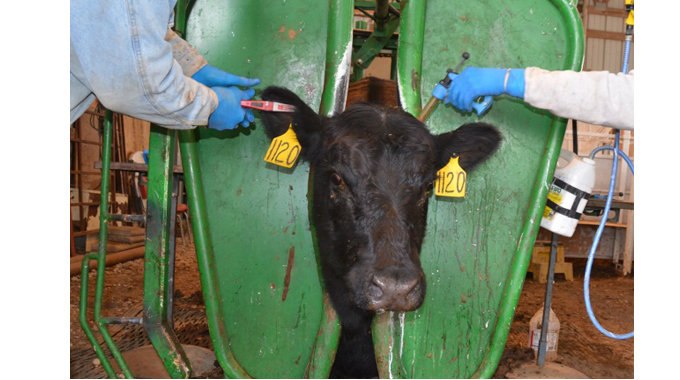
“Going into the winter season, we also expect our farmers to have dewormed their animals so that with the little protein these animals are getting, internal parasites do not compete for the same protein that should be going to the animal”, said Dr Mdlongwa – @Yolisswa



 Online Reporter