Chronicle Editor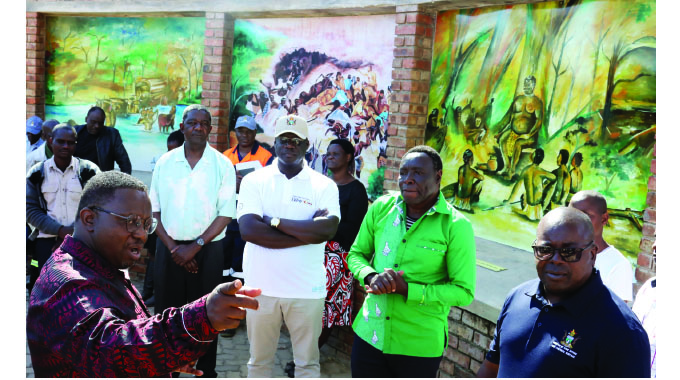
Nqobile Tshili – [email protected]
THE profound statement, “Until the lion learns how to tell a story, the hunter will always be the victorious,” aptly encapsulates the manipulation of African history by the West in their pursuit of colonisation and control over African resources.
Upon the invasion and occupation of the country by Cecil John Rhodes’s British South Africa Company, a deliberate effort was made by the colonialists to construct a narrative of their triumph, meticulously documenting their supposed domination over the indigenous Africans.
For well over a century, the British colonialists propagated a fabricated account of King Lobengula’s disappearance, obscuring the truth behind their failure to capture the Ndebele King. In reality, King Lobengula did not vanish; instead, his amabutho regiments, led by General Mtshane Khumalo, triumphed over 33 British troopers under the command of Allan Wilson in the Pupu Battle. Every single one of the British troopers met their demise at the hands of the resolute Ndebele warriors.
In an attempt to memorialise the fallen white soldiers, monuments were erected, perpetuating the narrative of their bravery. However, the actuality of their defeat by determined Ndebele amabutho remains inadequately acknowledged within the annals of history.
Pupu Battle took place between December 3 and 4 in 1893, following heavy rains that left Major Wilson’s troops stranded before being attacked by Ndebele warriors.
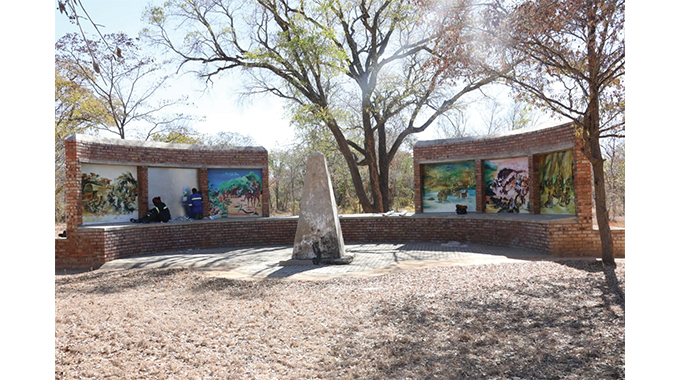
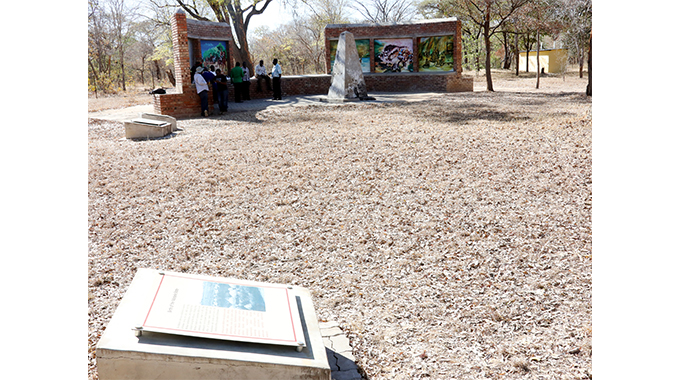
In a commendable effort to ensure the accurate documentation of the country’s history, the Government is finalising the establishment of the Pupu National Monument. This monument will serve as a testament to the Ndebele people’s history of resistance and determination in the face of an inevitable wave of colonialism.
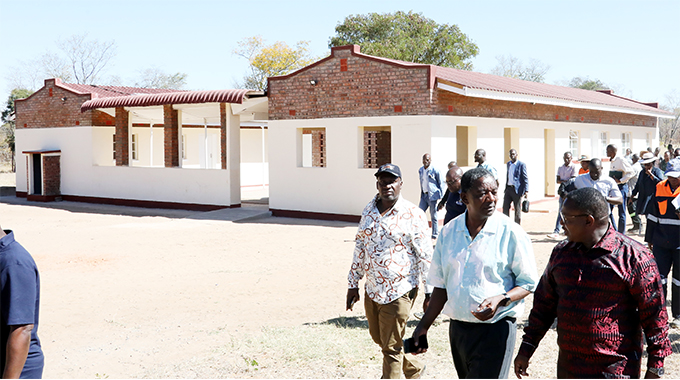
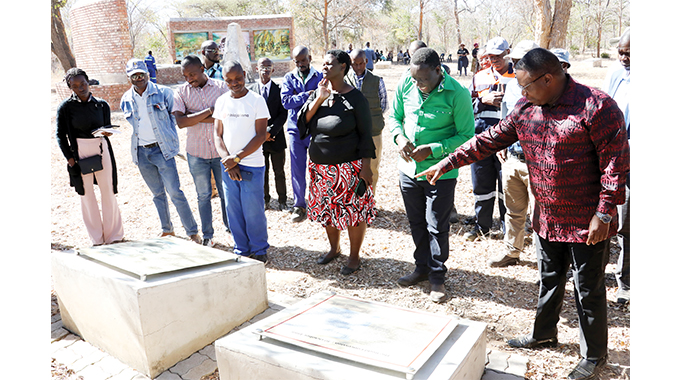
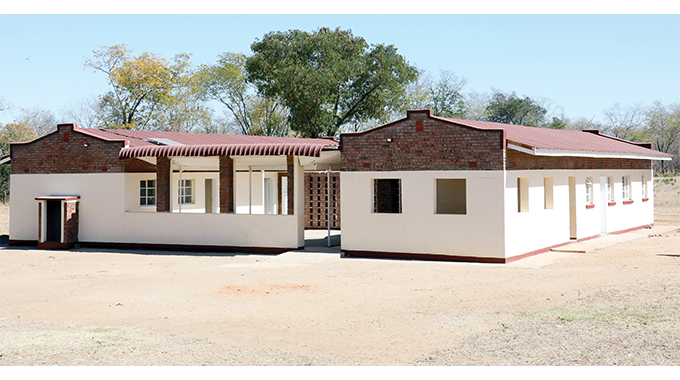
Yesterday, the Minister of Home Affairs and Cultural Heritage, Kazembe Kazembe, visited the Pupu National Monument to assess the progress made by the National Museums and Monuments of Zimbabwe (NMMZ) in its development before President Mnangagwa’s anticipated commissioning of the site in early August.
Officials from the NMMZ guided the Minister through the various stages of the monument’s construction, highlighting its role in dispelling the false narratives that have been ingrained in the minds of Zimbabweans regarding the history of the Ndebele people.
Mr Kundishora Chipunza, the chief curator of NMMZ, highlighted that, in the pursuit of accurate historical documentation, it is important to recognise that King Lobengula was never defeated by the colonialists, despite their superior firepower.
“The Pupu story from the British point of view is a story of trying to win a war when you have lost it, the Rambo style, the Americans had lost the battle of the Vietnamese but win it in a film Rambo and this is exactly what they were trying to do,” said Mr Chipunza.
“The school children and those who would get a chance to visit will get a chronology of the Battle of the Ndebele State up to the time of Shangani Pupu Battle. We have put our history in that order so that a person understands where they are coming from.”
Furthermore, Mr Chipunza revealed that the colonialists propagated the notion of the Rudd Concession, claiming that King Lobengula had granted exclusive mining rights to the British South Africa Company.
However, there is evidence to contradict this claim, as King Lobengula did not sign the concession. To rectify this false narrative, the monument will juxtapose King Lobengula’s letter to Queen Victoria, wherein he explicitly objected to the Rudd Concession.
Additionally, the monument will shed light on the significant role played by women within African societies, particularly Queen Lozikeyi, King Lobengula’s senior wife.
“Queen Lozikeyi was a senior wife to King Lobengula and she had always insisted that the Pioneer Column should never be allowed especially in Matabeleland and she had a very big role harbouring spiritual intelligence so that the whites will never colonise Matabeleland. It could be for that reason that the Pioneer Column could have skirted around in the initial occupation. The same thing happened to Nehanda and the same thing happened in Ghana. Women had a lot of power,” he said.
The Pupu National Monument has been designed in the shape of the cow horn formation that was instrumental in the defeat of Wilson and his troops. It serves as a symbolic representation of the Ndebele people’s victory and resilience.
Within the monument, the last meeting between King Lobengula and his men is documented, preserving the historical significance of this gathering. The names of the defeated British troopers are also mentioned, in celebrating the Ndebele regiments that participated in the battle whose aim was to humiliate the Ndebele and their king had he been captured.
Minister Kazembe championed the importance of establishing the monument as a means of correcting historical narratives and placing heroic African ancestors in their rightful place.
“It is very important to correct the narrative on where we came from and how our forefathers fought the settlers and it is through national monuments like this one that we can correct the narrative. I’m not sure if many people know that our forefathers refused to be colonised and in fact you heard from the National Museums when they spoke of the criticality of this place that King Lobengula was never defeated by the white settlers,” said Minister Kazembe.
“They failed to get hold of him, they pursued him, they looked for him everywhere else but he was trickery and his team and national monument like this one go a long way in correcting the narrative. They go a long way in telling the true story of where this country came from.”
He said it was necessary for Zimbabweans to learn from the past as experiences enable the country to understand some of its challenges.
Minister Kazembe said President Mnangagwa has always implored citizens to appreciate significant historic events as they help in planning for the future.
The minister made several recommendations that need to be implemented at the monument before the President launches it.
Dr Godfrey Mahachi, the executive director of NMMZ, assured that these recommendations would be incorporated, ensuring that everything is prepared for the site’s inauguration as planned.
@nqotshili



 Online Reporter