Online Reporter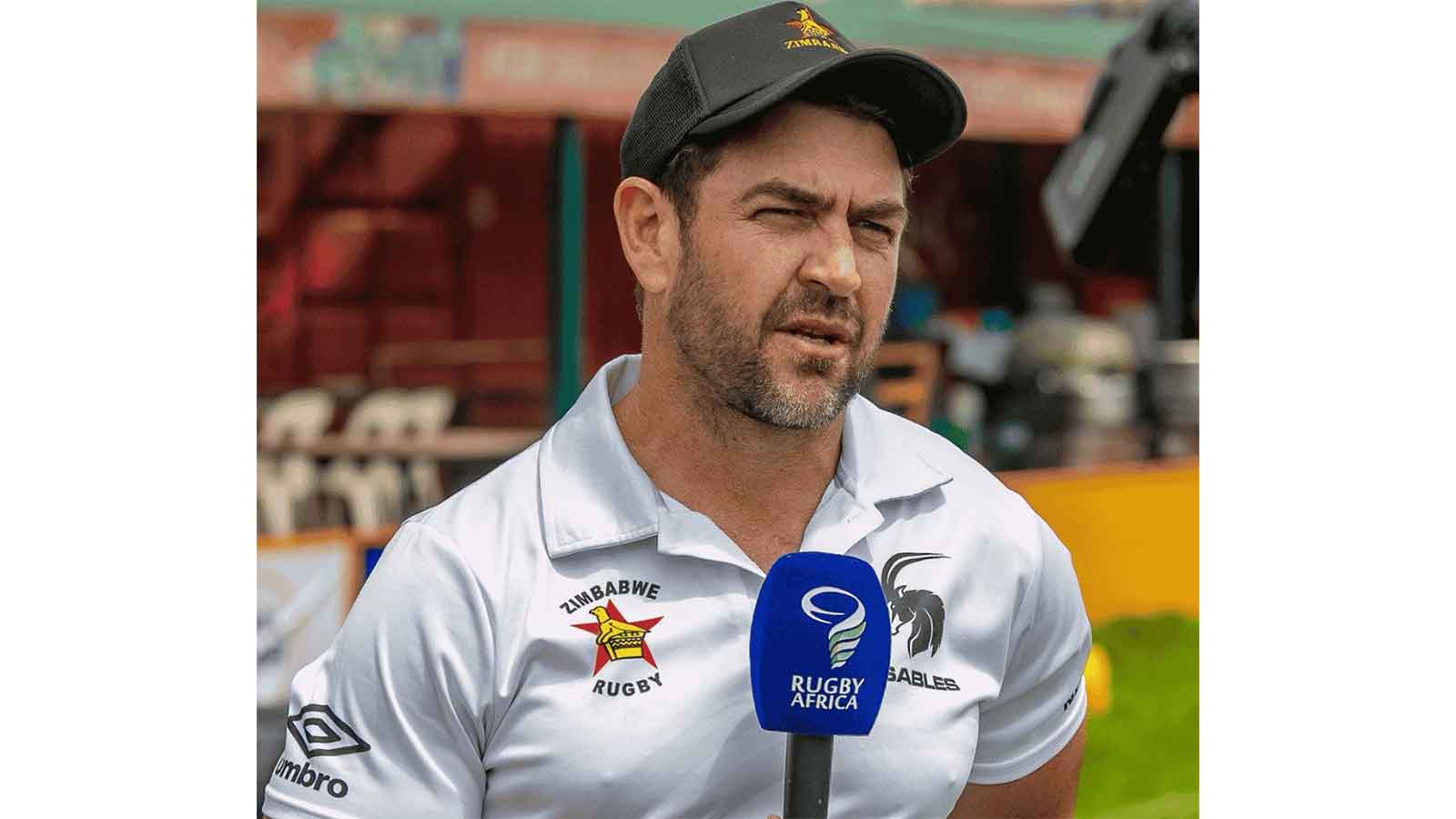
Tinashe Kusema-Zimpapers Sports Hub
ZIMBABWE returned home without a victory, bottom of their Nations Cup group and with only two bonus points.
Yet Sables coach Piet Benade believes the tour provided something just as important: proof that his side can compete at this level and possibly turn the tables on Tonga when the two teams meet again at next year’s Rugby World Cup in Australia.
Tonga won the first encounter 36-26, but Zimbabwe led with about 11 minutes remaining before late mistakes allowed the Pacific Islanders to pull clear.
For Benade, the result exposed the work still to be done, but also showed that the gap between the two sides may not be as wide as once feared.
“I think we can take a lot of confidence out of that game,” Benade said.
“You remove a few silly things from that game. The way we hung on and fought back was very encouraging.
“We actually led them with something like 11 or 12 minutes to go. We know they were not at full strength, but they still put out a very strong side.
“For us to cope physically, to tackle them and run at them, was a big step for our confidence. It showed that we are on the right track in terms of what we are doing, the players we are picking and what is needed to cope at that level.”
Zimbabwe also lost 31-15 to the United States and 23-19 to Canada during the July leg of the competition.
The three defeats left them at the foot of the Europe, Asia and Africa group, but Benade saw enough across the tour to believe the Sables are moving in the right direction.
The challenge now is to turn encouraging passages and narrow defeats into victories.
The players were given a few days off after returning home last week, but will soon resume strength and conditioning work ahead of the November leg of the Nations Cup.
Uruguay, Samoa and Chile await in the United Kingdom, giving Zimbabwe three more opportunities to measure their progress against established Test nations.
Before then, Benade wants the Sables to play international matches in October and hold a home camp bringing together the leading foreign-based players and their locally based teammates.
“I would like international matches in October,” he said. “It is not a Test window, so we will have to see which nations are available.
“I believe we are in discussions with a couple of unions and, once those are finalised, hopefully we can make an announcement.”
Benade will submit a report on the July campaign before meeting Zimbabwe Rugby Union officials to map the way forward.
The review will not focus only on what happened on the field.
Visa and travel problems affected Zimbabwe’s preparations and prevented some players from joining the tour, weaknesses Benade says must be addressed before the November matches.
“We are also learning as a technical department and as a team,” he said.
“The union is learning too. We had a lot of issues around visas and travel arrangements that we do not expect next time.
“A couple of boys could not travel because of visas, and those are things we need to get sorted so that we can focus on the rugby.
“We will review everything thoroughly, from the preparations to the competition and see where we can improve.”
Those problems placed further strain on a squad already adjusting to a higher standard of international rugby.
Zimbabwe remained competitive in all three matches, but failed to turn promising positions into victories.
Benade believes the shortcomings can be corrected.
His confidence is drawn from what he saw elsewhere in the competition, where several established nations traded victories and defeats. The Sables coach made a point of studying Zimbabwe’s November opponents and believes the Tonga match has already given his players a useful reference point for Samoa.
“Samoa have their own reputation, but they are not dissimilar to Tonga in terms of style,” he said. With that come some opportunities as well.”
Uruguay, one of South America’s leading rugby nations and regular World Cup participants, are expected to pose a different challenge.
“We have always seen Uruguay as a South American powerhouse,” Benade said.
“They have done well at World Cups, so that game will be a big challenge.
“We are looking forward to seeing how good our preparations can be, how smart we can be and whether we can put these teams under pressure.”
Zimbabwe’s July campaign ended without a win, but it also removed some of the uncertainty surrounding their ability to cope against stronger opposition.
The Sables now know they can match Tonga physically. They know they can remain within touching distance of Canada and the United States. They also know that competitive defeats will count for little unless they learn how to close out matches.
The November programme will show whether the lessons from July have been absorbed or not.
The bigger answer will come at the World Cup finals in Australia next year, when Zimbabwe face Tonga, England and Wales on rugby’s biggest stage.
By then, the Sables must show that the confidence gained in defeat marked the beginning of genuine progress, rather than comfort drawn from missed opportunities.


 Bongani Ndlovu