mbulelo smpofu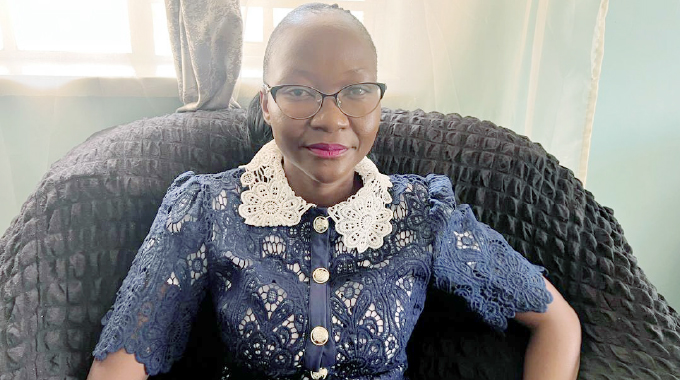
Sukulwenkosi Dube-Matutu, Mat South Bureau
GWANDA District departmental heads have been capacitated in disaster risk reduction (DRR) and mitigation strategies to enhance the district’s ability to prevent hazards from escalating into full-blown disasters.
The training is part of a wider initiative aimed at equipping all 24 rural wards with vital knowledge and skills to identify risks, prepare for and respond effectively to disasters.
It follows the district’s recent revision of its DRR plan to reflect updated statistics, ward boundaries and emerging threats posed by climate change.
The revised plan comprises three core documents which include the district disaster risk profile, the disaster risk mitigation and adaptation plan and the emergency response plan.
In an interview, Gwanda District Development Co-ordinator, Ms Nomathemba Ndlovu, said capacitation of departmental heads is essential to ensure that all stakeholders are up to date with the disaster risk reduction framework.
“It’s important to train departmental heads in disaster risk reduction because they play a crucial role in cascading the information down to other stakeholders. Disasters in our district cut across various sectors and heads of ministries and parastatals are instrumental in ensuring co-ordinated responses,” she said.
Ms Ndlovu emphasised that the goal is to reach every stakeholder, including those in remote communities, with relevant DRR knowledge.
She also highlighted the need for behavioural change, noting that some disasters result from human negligence.
The district is adopting a community-led disaster risk management approach, where local communities take charge of identifying and addressing their vulnerabilities. Ms Ndlovu said this participatory model fosters ownership and long-term commitment to resilience-building.
“Heads of Government departments will lead in cascading information to communities. We’re encouraging all departments and organisations to integrate DRR into their programmes. Ultimately, we want communities to create and implement their own action plans with pride,” she said.
The next phase of the programme will see the training of DRR committees in all wards, starting with ward-based extension officers from various ministries and departments, as well as local councillors.
These extension officers will, in turn, train DRR committee members, who are drawn from local communities and chaired by councillors. The ward-level DRR plans will guide identification of hazards and the development of mitigation strategies.
“We now have a DRR plan at district level, but implementation is done at the ward level. That’s why training at community level is critical,” said Ms Ndlovu.
She said their aim is to roll out this training at the beginning of next month.
The training will cover key topics including climate-smart agriculture, livelihood strategies, disaster mitigation and prevention, water harvesting and water logging, among other disaster-related topics.
The ward-level plans will feed into the district’s broader disaster risk mitigation and adaptation framework and emergency response strategy. The ultimate aim is to build resilience, ensure swift recovery and guide the district toward a sustainable, disaster-resilient future.
Gwanda District is vulnerable to a range of hazards, including prolonged dry spells, floods, unpredictable weather patterns and public health emergencies such as epidemics, diseases and drug and substance abuse. Environmental degradation, livestock diseases and technological hazards like mining accidents and road traffic incidents also threaten community well-being. -@DubeMatutu


 Online Reporter