Online Reporter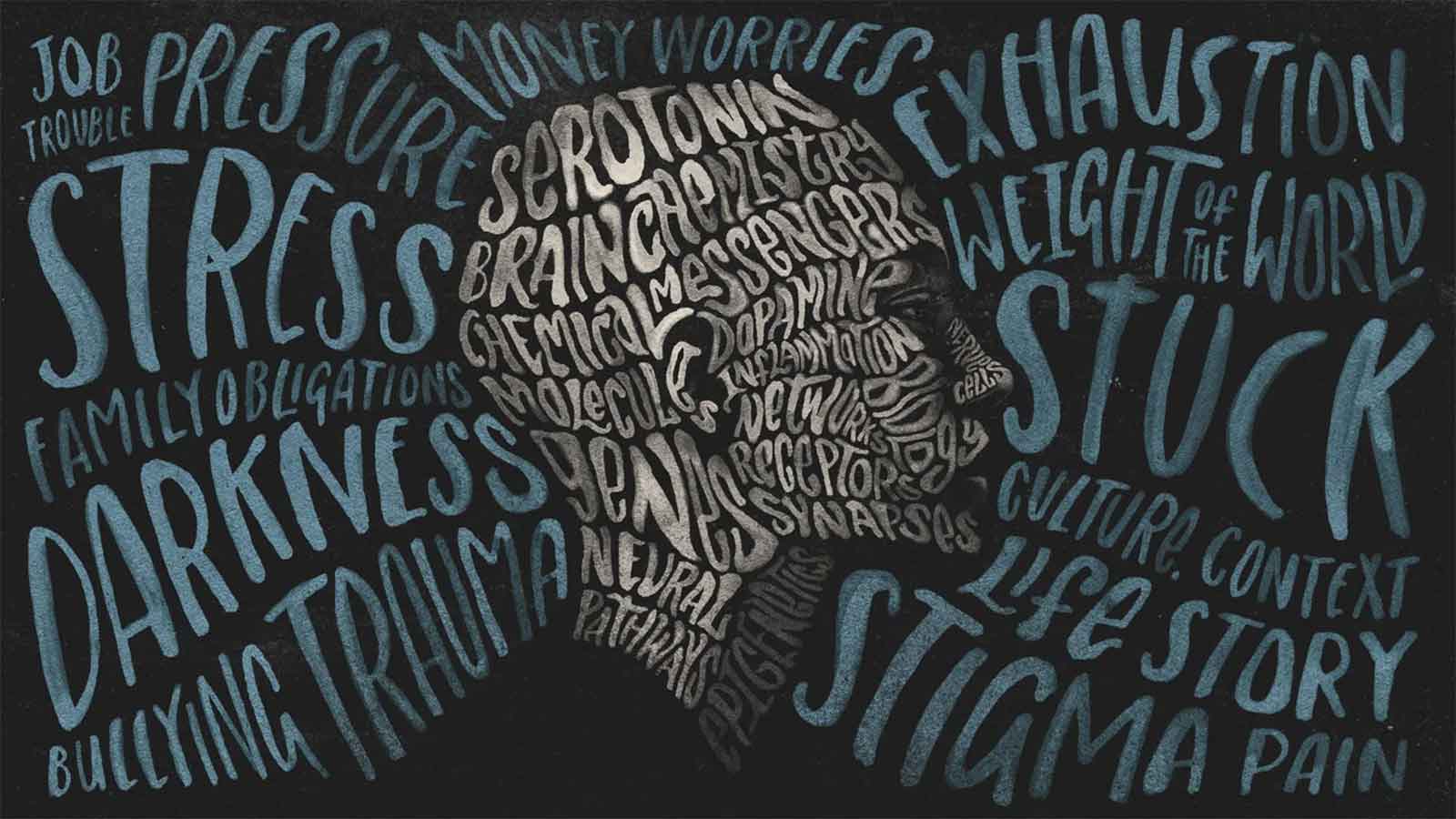
Rutendo Gwatidzo-Changing Perspectives
While some wounds are visible and stitched with bandages, others are bleeding yet hidden behind skin.
We live in a world that responds quickly to physical pain and often ignores emotional suffering. When someone collapses physically, people gather around with concern. But when someone is collapsing mentally or emotionally, society often tells them to “be strong,” “pray harder,” or “stop overthinking.”
Depression is one of the silent battles affecting countless people across homes, workplaces, schools, churches, and communities. It is quietly draining people who still show up daily, still smile publicly, and still carry responsibilities while internally feeling exhausted. These are the wounds that never show. And, because they are invisible, they are often misunderstood.
The Story Behind The Smile
A senior executive once shared a painful reality during a leadership wellness session.
Every morning he entered the boardroom looking polished, energetic, and composed.
His team admired his confidence and professionalism. He consistently delivered results and was considered one of the strongest leaders in the organisation.
But privately, he confessed that there were days he sat alone in his car for almost an hour before entering the office because he no longer had the emotional strength to face people.
He said, “I had mastered surviving publicly while breaking privately.”
That statement reflects the reality of many people today. Some employees are emotionally exhausted. Some mothers are mentally drained. Some fathers are silently overwhelmed. Some students are battling hopelessness.
Some leaders are carrying invisible pressure. Not every strong-looking person is emotionally okay. Depression Is Not Attention-Seeking. One of the greatest dangers in society is trivializing mental health struggles. Many people still associate depression with weakness, lack of faith, laziness, or negativity.
Depression can affect your appetite, concentration, confidence, relationships, productivity, motivation or emotional stability just to mention a few. Some people suffering from depression continue functioning outwardly while silently fighting emotional battles internally. That is why statements such as “Others have bigger problems. You are too blessed to feel this way. Just think positively,” can become emotionally damaging. Encouragement matters. But empathy matters even more.
The Workplace Crisis Leaders Must Address
Modern workplaces are filled with invisible emotional pressure. Many organisations reward productivity while ignoring emotional wellness. Employees are expected to constantly perform, meet deadlines, hit targets, solve problems, and remain composed regardless of what they may be facing personally. Burnout has quietly become normalised. Unfortunately, emotionally exhausted employees eventually become disengaged employees.
Forward-thinking organisations are now realising that mental wellness is not merely a personal issue but, a leadership issue, culture issue and sustainability issue.
Organisations that thrive in the future will be those that intentionally create emotionally safe workplaces, employee wellness programmes, counselling support systems and mental health awareness initiatives. Healthy people build healthy organisations.
A Young Woman’s Silent Cry
A university student once posted cheerful pictures daily on social media. Her friends admired her lifestyle, confidence, and beauty. She looked happy. Months later, during a mentorship session, she admitted that she constantly felt empty and emotionally overwhelmed. Her greatest struggle was comparison. She said that she felt like everybody else was succeeding in life except her.
This is the hidden pressure many people are facing today. Social media has created a generation that constantly compares private pain with public perfection. People are pressured to appear successful, happy, attractive, accomplished, and emotionally stable even when they are struggling internally. Comparison is slowly destroying self-worth.
Families Must Learn Emotional Presence.
Many people do not necessarily need immediate solutions. Sometimes they simply need someone willing to listen. Families today must become emotionally available, not just physically present.
Some of the signs that people should pay attention to include withdrawal from conversations, isolation, sudden anger or irritability, loss of motivation, changes in sleeping patterns, emotional numbness or loss of interest in normal activities, just to mention a few.
One conversation can restore hope. One moment of genuine listening can prevent emotional collapse or one supportive message can become healing. People may forget advice, but they rarely forget compassion or acts of kindness.
Rutendo Gwatidzo is a human capital executive and managing consultant at The HUB HR Consultancy. She is a multi-Award winning leader, transformational speaker and coach. She is also the author of Born to Fight and Breaking the Silence books. Contact details – 0714575805/ [email protected] / Rutendo Gwatidzo_Official FB public page.