Londile Moyo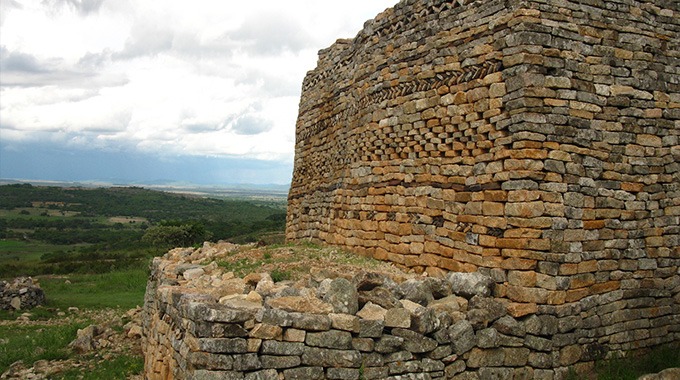
Nqobile Bhebhe [email protected]
Dhlodhlo Ruins have been identified as a key site with the potential to transform Zimbabwe’s heritage tourism sector, with a Parliamentary report highlighting the need for strategic investment and integration into national tourism circuits.
The findings are contained in a report presented in Parliament by the Joint Portfolio Committee on Tourism and Hospitality Industry and the Thematic Committee on Culture and Heritage, which assessed the state of cultural and heritage sites in relation to the country’s tourism development.
According to the report, Dhlodhlo — located about 135 kilometres from Bulawayo towards Gweru in Shangani — is one of Zimbabwe’s most significant stone-built monuments, featuring dry-stone walling, terraced platforms and remnants of daga structures that reflect the architectural traditions of the Zimbabwe Culture.
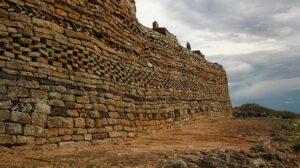
The committee noted that the site remains largely underutilised despite its historical significance and strong potential to attract heritage tourists, scholars and cultural enthusiasts from around the world.
It said positioning Dhlodhlo within a broader cultural tourism circuit that links major heritage destinations such as Great Zimbabwe, Khami and the Matopos could significantly boost visitor numbers and enhance the overall tourism experience.
The report further underscored the importance of developing complementary heritage sites, singling out Khami Ruins — a UNESCO World Heritage Site — as a critical component of Zimbabwe’s tourism offering due to its architectural uniqueness and proximity to Bulawayo.
Despite their value, both Dhlodhlo and Khami were described as underdeveloped assets that could play a more meaningful role in national development if properly invested in.
The committee also highlighted ongoing efforts to unlock value at Dhlodhlo through potential private sector partnerships, including a proposed agreement with an investor for the preservation and management of the site.
The inquiry into heritage sites was prompted by Government’s broader strategy to promote domestic tourism and leverage cultural assets as drivers of economic growth.
Zimbabwe currently has 203 declared national monuments drawn from over 50 000 recorded heritage sites, including shrines and liberation war memorials within and beyond its borders.
These monuments fall into six categories — archaeological, geological, historical, liberation, living and natural heritage — with 36 classified as fully developed for tourism.
Four sites — Victoria Falls, Great Zimbabwe, Matopos and Khami — are inscribed on the UNESCO World Heritage List, highlighting the country’s global cultural significance.
The report calls for increased investment, preservation and strategic partnerships to unlock the full potential of heritage sites such as Dhlodhlo, positioning them as key pillars in Zimbabwe’s tourism growth and cultural preservation efforts.



 Online Reporter