Online Reporter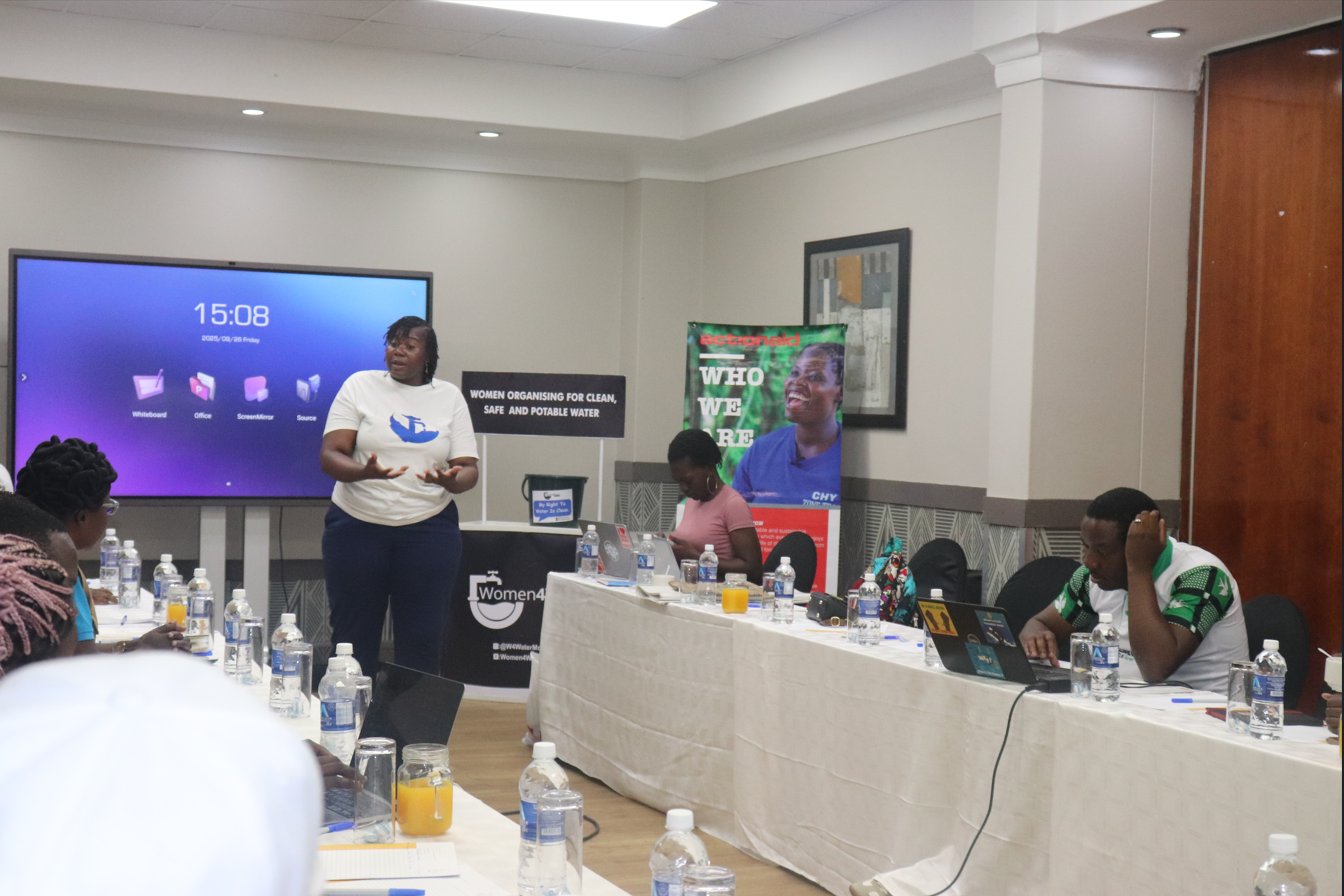
Peter Tanyanyiwa
Herald Correspondent
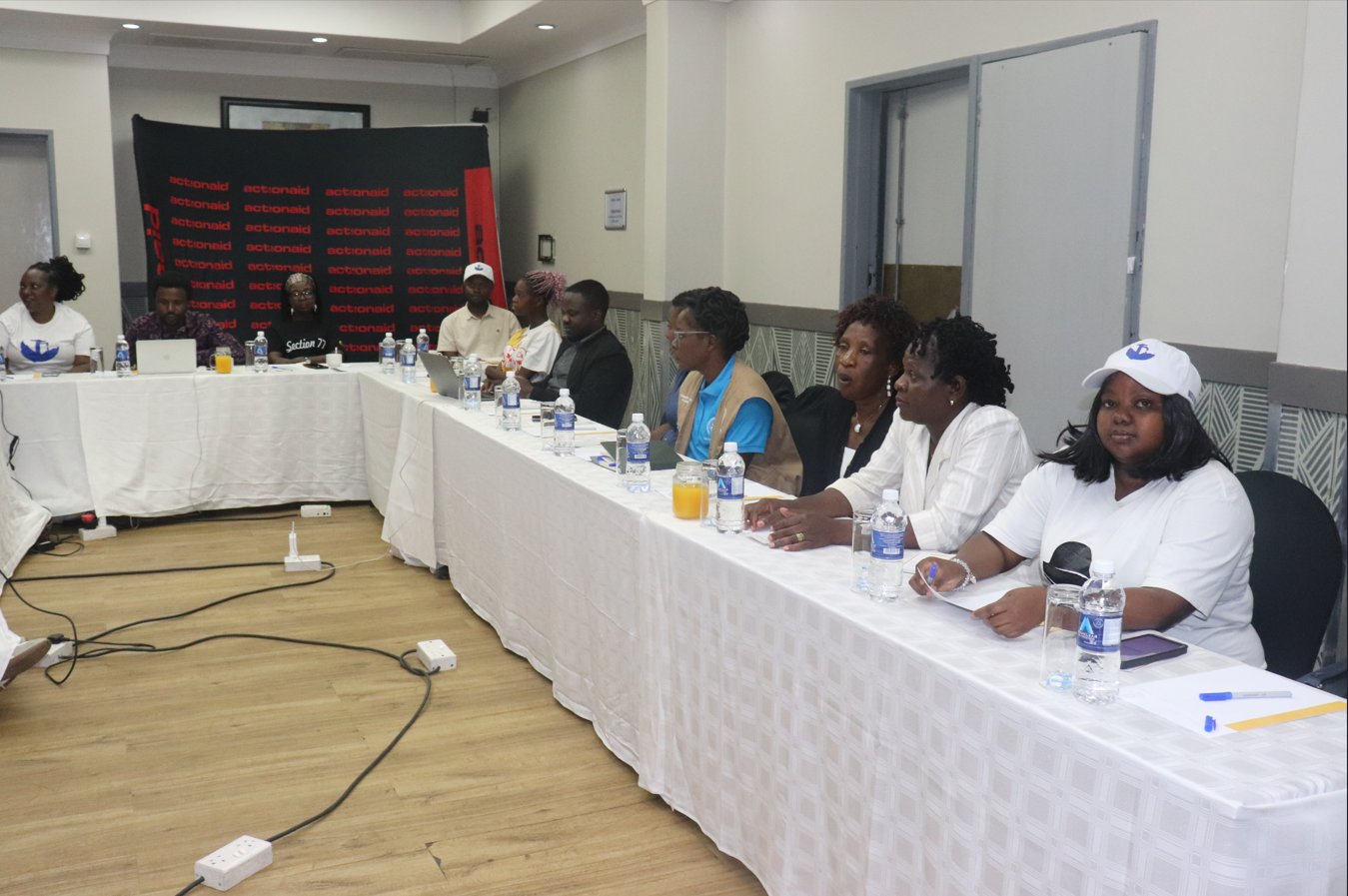
WOMEN’S rights and water-access advocates gathered at Cresta Oasis Hotel today for a high-profile stakeholder meeting under the Water Justice Dialogue Programme, organised by Women4Water in partnership with ActionAid Zimbabwe and Sprout Women Empowerment Trust.
The gathering brought together community members, civil society groups, faith organisations, policy actors and young women from Harare and its surrounding peri-urban communities to chart a unified way forward in addressing the deepening water crisis afflicting Hopley, Chitungwiza, Seke, Ruwa and Epworth.
The event commenced with a powerful panel discussion featuring testimonies from women living in the hardest-hit areas.
Community representatives vividly described the severity of water scarcity, how clean water is increasingly unaffordable, and how women bear disproportionate burdens—having to fetch water, sometimes from unsafe sources, which affects health, school attendance, and dignity.
Caroline Mutimbanyoka, leader of the Women4Water movement, stressed the need for solidarity among organisations.
“We have been working around water advocacy,” she said, “but in fragmentation. What we saw today is that this challenge is beyond local councils—it’s a national crisis, indeed a global problem. We must combine forces to ensure that our voice becomes stronger as we seek solutions and accountability around the water crisis.”
Wellington Madumira, National Coordinator of Climate Action Network Zimbabwe (CANZIM), echoed the urgency.
“Communities in Chitungwiza, Hopley and other areas are not just facing water shortages,” he said. “They are being denied their constitutional right—to safe, clean and potable water and for that, the State must take reasonable legislative and other measures,
within its means. It is unacceptable that some households are getting only two or three twenty-litre buckets a day, while water quality deteriorates.”
Through breakout sessions and group work, participants identified several interrelated gaps:
- Infrastructure Failure: Dilapidated pipes, frequent leakages, old treatment works unable to keep up with demand.
- Budgeting & Resource Allocation: Water is under-prioritized in budget cycles; peri-urban areas are especially neglected.
- Governance & Accountability: Lack of consistent engagement between communities, government agencies, Parliament, and councils.
- Community Participation: Insufficient inclusion of women and vulnerable groups in decision-making.
- Water Quality & Cost: Clean water is becoming increasingly hard to access; in some cases, what is supplied is not safe.
Personal Testimonies
- Febbie Maramwidze, a resident of Chitungwiza, described the struggle: “When there is no municipal water, we wait for tankers or try to buy from vendors. Sometimes it comes only once in several days. Our children miss school or have to come back early because water isn’t in the house.”
- Margaret Chitsaya from Chitungwiza noted the health risks: “Without clean water we risk disease. We are forced to use unsafe water sources; yet every person has the right to water that is clean and potable. Our homes, our schools—wherever—we need that.”
- Gladys Chihozhwa, also of Hopely, spoke of desperation: “We used to rely on the municipal supply. Now, we have resorted even to drawing water near graveyards when graves are freshly dug—because that’s sometimes the only source. It’s shameful, but what choice do we have?”
- Joyleen Nyachuru of Community Water Alliance emphasised the gender dimension: “Women and girls are the biggest sufferers—fetching water, carrying water, cleaning water. When water is far or irregular, their access to education, their time and their dignity suffer. Water is life and yet we are treated as though water is a luxury.”
Legal Context & National Obligations
The delegates’ discussion frequently turned to Section 77 of the Constitution of Zimbabwe, which enshrines the right to safe, clean and potable water and requires the State to take reasonable measures to progressively realise that right.
Climate Action Network Zimbabwe’s budget on water management underscores that water availability has been declining due to climate change, population growth, infrastructure decay, siltation of catchments, and pollution.
Recommendations & Roadmap
By mid-morning, stakeholders had drafted a roadmap resting on several pillars:
- Policy & Budget Advocacy
o Engage Parliament’s portfolio committees and local councils in budgeting processes to ensure water is adequately resourced.
o Push the government to set dedicated budgets for water infrastructure, especially in peri-urban zones.
- Community Empowerment & Participation
o Ensure women and community members are included from planning through implementation.
o Strengthen local water committees to monitor supply, quality, and leaks.
- Infrastructure Investment & Maintenance
o Prioritize repairing and upgrading treatment plants, pipes, and reservoirs.
o Address catchment protection, wetlands preservation, and pollution control.
- Alternative & Resilient Water Supplies
o Investigate solar-powered water points, borehole rehabilitation, and rain water harvesting.
o Promote water-saving and efficiency measures in households and official supply systems.
- Legal Enforcement of Rights
o Use constitutional provisions (Section 77), and existing laws to hold authorities accountable.
o Mobilise civic groups, media and lawyers to monitor and challenge violations (e.g., when communities are denied clean water).
Closing Commitments & Next Steps
Caroline Mutimbanyoka closed the meeting urging all present to carry the message into their organisations and constituencies: “We must no longer act alone. Our strength lies in our collective action. Only together can we force action—from local government, from the State—that honours the Constitution and respects water as a right, not a commodity.”
Wellington Madumira committed CANZIM’s support in monitoring water supply, partnering with community organisations, and pushing for legal reforms. He said, “We shall track government’s promises, demand transparency, and ensure that the voices of Hopley, Chitungwiza, Seke ring loud in Parliament.”
Mr Mlambo from the Fight Inequality Alliance has pledged to support the network by monitoring government budgets and allocations related to water infrastructure, emphasizing the crucial role of funding in advancing access and development in this sector.
What this means going forward:
With this dialogue, a platform has been created for continuous collaboration among civil society, community groups, government actors, and policy makers. The test will be whether urgent, concrete actions will follow—allocated budget lines, policy enforcement, infrastructure work—and whether communities feel relief from the chronic water shortages.
Stakeholders represented were Climate Action Network, Harare Residents Trust, Community Water Alliance, Girls and Women Empowerment Network, ZIMCODD, Fight Inequality Alliance, Faith Based Organizations, Young Women and girls from the surrounding communities and YETT.