admin
admin
Prince Sunduzani, Business Reporter
THE Diaspora Infrastructure Development Group (DIDG) is planning to set up an infrastructure development fund in the country as well as getting listing on the stock exchange to broaden its investment portfolio.
DIDG chairperson, Mr Donavan Chimhandamba, said plans were underway to rope in more Zimbabweans in the diaspora to participate in various infrastructure development projects that are in the pipeline, to help rebuild the Zimbabwean economy.
The Diaspora Infrastructure Development Group (DIDG)/Transnet Consortium partnered with NRZ to recapitalise the NRZ to the tune of $400 million and the deal is expected to be concluded by June this year.
“We are also looking to get listed but we are not yet sure on which stock exchange, whether JSE, ZSE, London stock exchange or the US stock exchange because you have to find these cities where the diasporans reside,” said Mr Chimhandamba.
“In the next six months our CFO and group treasurer will be working on some of these instruments and once we launch that and get managed independently and get listed, this will open up on a lot of diasporans. Our drive is to increase numbers of diasporans participating in DIDG.
“Imagine if one million out of five billion diasporans can come together and put $1 000 a year, its $1 billion.
“Once you have $1 billion in infrastructure space, you can leverage it six times, then Zimbabwe will have its own debt and infrastructure fund and there are lot of Zimbabweans who agree on that idea. What is lacking at this time is a structured mechanism to do that.”
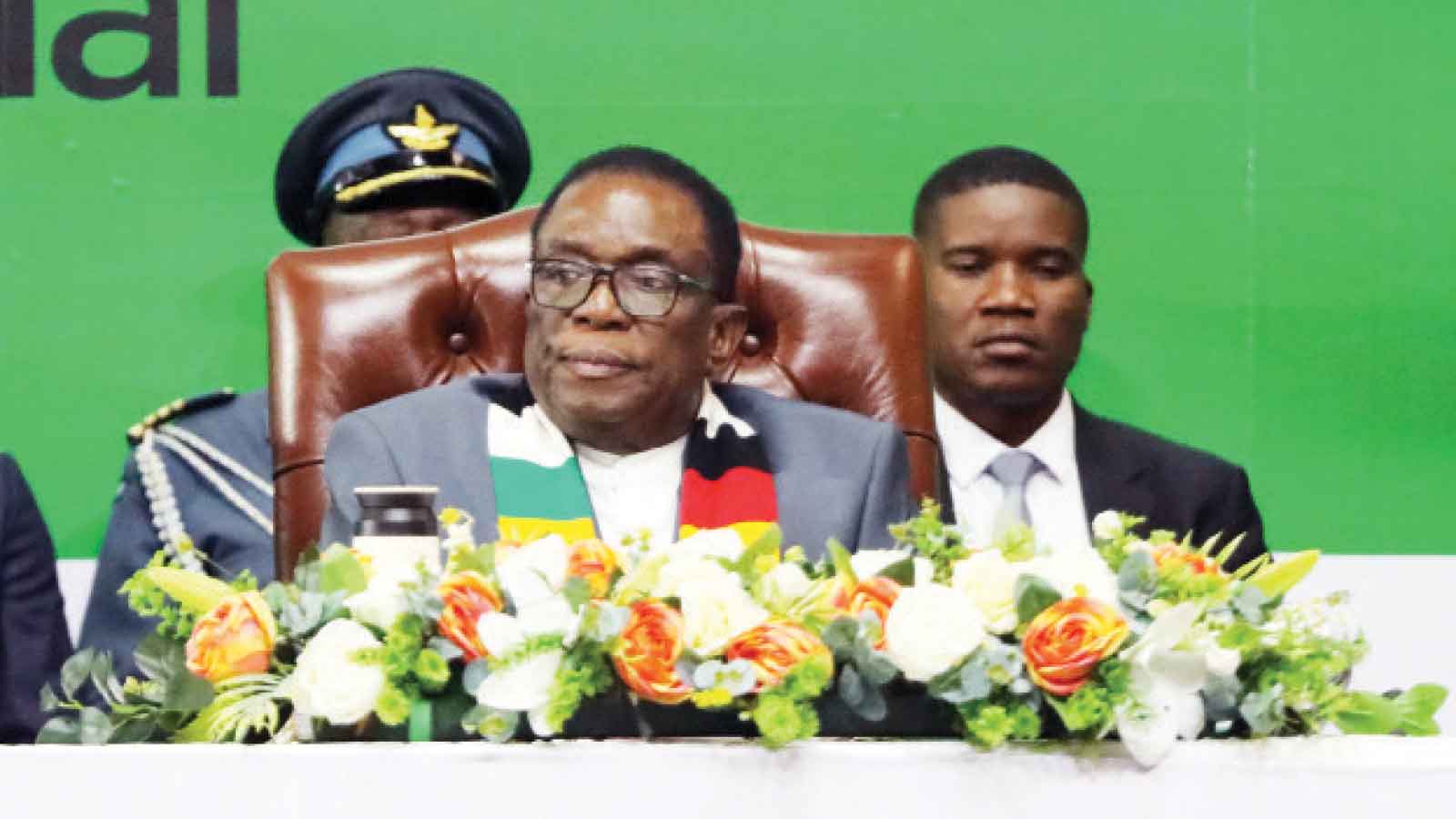
DIDG, chief financial officer, Mr Washington Mashanda, said the $400 million NRZ deal, which saw President Mnangagwa receive, on behalf of the Government, the first batch of the leased equipment from South Africa, will benefit local businesspeople and increase employment.
He urged local business people to make sure that they have quality services and equipment in place for them to meet the standards that will be required by DIDG.
“As part of the agreement, there is 40 percent of local spending spread across different projects. So the $400 million is broken down into various aspects, there is a permanent way that needs repair, signalling what needs to be fixed.
“There will be an element of the conditioning and servicing of that equipment,” he said.
“Part of the $400 million is set aside to retool NRZ workshops that means the locals will be roped in. So 40 percent of $400 million will give you an idea of what is spent locally. We will go out and look for companies that will provide us with the right services at the right price.”
@PrinceNkosy102


 Online Reporter