Sundaymail Editor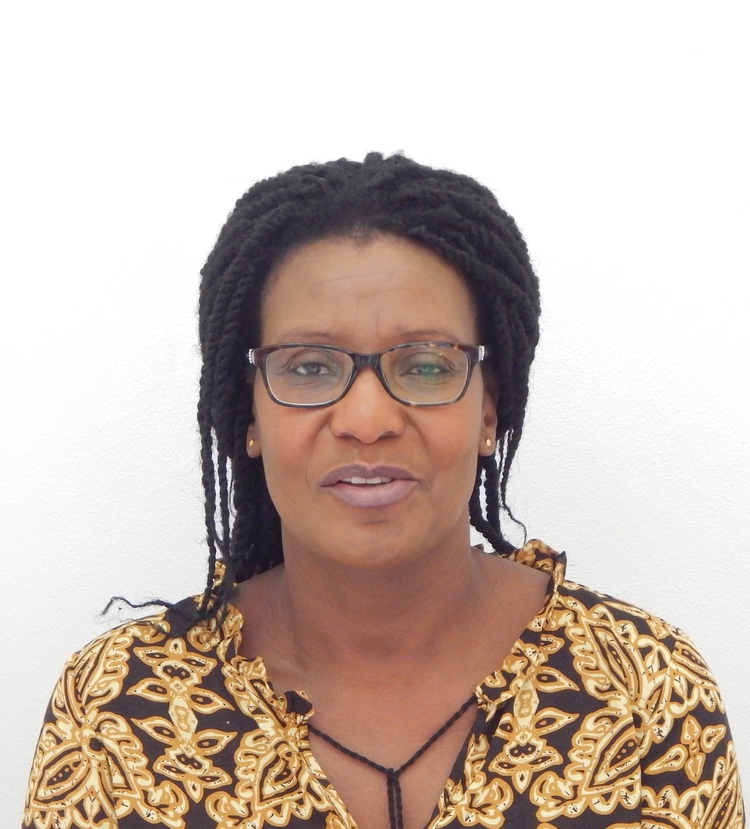
Disability Issues
Dr Christine Peta
THE United Nations Day for South-South Cooperation, observed annually on September 12, highlights the importance of collaboration among developing countries.
This initiative, established in 1978, is aimed at promoting knowledge sharing, technology transfer and emergency response to improve the lives of people in developing nations.
Given that 80 percent of individuals with disabilities reside in developing countries, mainstreaming disability into South-South cooperation is crucial.
By fostering innovation and development that upholds the principle of “leaving no one behind”, as outlined in the Sustainable Development Goals (SDGs) — Agenda 2020, we can ensure that people with disabilities are not marginalised.
The SDGs specifically mention disability in five areas: quality education (SDG 4), decent work and economic growth (SDG 8), reduced inequalities (SDG 10), sustainable cities and communities (SDG 11) and partnerships for the goals (SDG 17).
These goals emphasise the importance of accessibility, data, monitoring and accountability in creating a more inclusive and equitable world for all. Disability is explicitly mentioned seven times in the SDG targets and 11 times in the indicators.
This emphasis is crucial for identifying areas where progress needs to be made in disability inclusion. Furthermore, disability is indirectly acknowledged in numerous other goals, targets and indicators through terms like “for all”, “the vulnerable”, “most disadvantaged”, “non-discriminatory” and “equal access”.
These terms imply that people with disabilities should not be excluded from initiatives aimed at achieving the SDGs.
The 2030 Agenda aligns with the United Nations Convention on the Rights of Persons with Disabilities (UNCRPD) in its commitment to empowering vulnerable groups, including people with disabilities.
In fact, only four of the 17 SDGs are not directly related to the provisions of the UNCRPD, highlighting the strong connection between these two frameworks.
To effectively integrate disability inclusion into South-South cooperation initiatives, we should:
Disaggregate data: Collect and analyse data based on disability to accurately measure progress towards the “leave no one behind” principle.
Identify areas of discrimination: Use disaggregated data to pinpoint areas where discrimination against people with disabilities persists.
Ensure disability inclusion in humanitarian initiatives: Prioritise the needs of people with disabilities in emergency response and recovery efforts.
Develop tools for disability inclusion: Create resources to promote the rights, participation and inclusion of people with disabilities in SDG implementation.
Implement UNCRPD provisions: Incorporate the principles of the UNCRPD into South-South cooperation initiatives.
Mainstream disability in South-South cooperation: Develop, implement and monitor disability-inclusive sector policies and services.
Host a South-South cooperation expo: Showcase collaborative disability-inclusive initiatives that align with the 2030 Agenda and UNCRPD.
By recognising that disability is a natural part of human experience and taking these steps, we can ensure that South-South cooperation initiatives truly leave no one behind and contribute to a more inclusive and equitable world for all.
Dr Christine Peta is a disability, public health, policy, international development and research expert. She is the national director of disability affairs in Zimbabwe. She can be contacted on: [email protected]



 Online Reporter