Online Reporter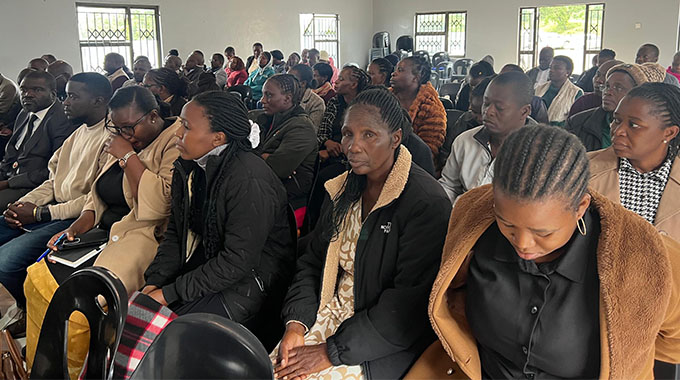
Sukulwenkosi Dube-Matutu, [email protected]
STAKEHOLDERS from various districts across Matabeleland South have been urged to identify development gaps in their areas and set clear targets and timelines to address them, as part of efforts to accelerate progress towards achieving Vision 2030.
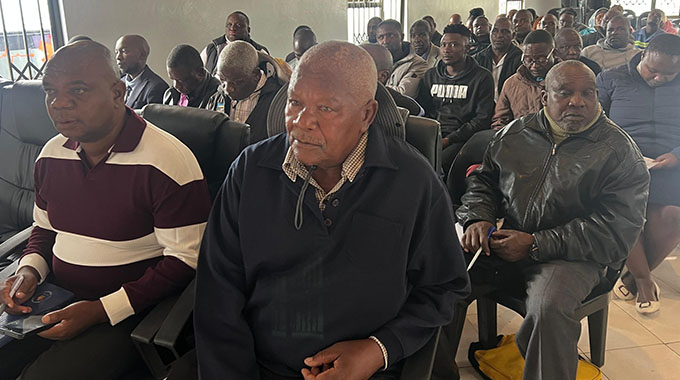
Speaking during a stakeholder engagement meeting in Gwanda on Monday, Permanent Secretary for Monitoring and Evaluation in the Office of the President and Cabinet, Ms Nditwani Muleya, said planning and co-ordination were central to transforming Zimbabwe into an upper middle income economy by 2030.
The meeting was aimed at sensitising stakeholders on the need to work strategically and collaboratively to achieve the national vision.
Ms Muleya said stakeholders should draw guidance from Government development strategies such as Vision 2030, the National Development Strategy 2 (NDS2), the Presidential Input Scheme, Rural Development 8.0 and the devolution agenda.
“We have gathered here to identify what is hindering us from attaining Vision 2030 and what we can do going forward so that we realise it. As we develop this district, we must understand that Gwanda is a round hut. We have to work as a team and report as a team,” she said.
“Without teamwork, we will reach 2030 without improving the lives of our people. If we are to achieve Vision 2030, we must be highly co-ordinated under the district development committees.”
Ms Muleya urged stakeholders to be united and organised, stressing the need for harmonisation of activities among ministries, departments, agencies and non-governmental organisations.
She said local authorities should lead development efforts, with the district development co-ordinator playing a central role in co-ordination, while development partners align their work to local authority master plans.
“Across our sectors, we must identify the gaps that exist for us to attain Vision 2030. For example, in education, we need to know how many more schools are required, and in health, we must determine how many clinics are needed.
Both NGOs and Government stakeholders should then work towards closing those gaps,” she said.
Ms Muleya emphasised the necessity of setting measurable targets and periodically reviewing progress.
“As we work towards closing these gaps, we must set targets and check our progress along the way. Let’s not work without proper plans and let’s not work in silos. President Mnangagwa has said, Ilizwe lakhiwa ngabanikazi balo,” she said.
The Office of the President and Cabinet has rolled out stakeholder engagement meetings across all seven districts of Matabeleland South. The sessions, which began yesterday and will run until March 17, form part of a national programme by the OPC Monitoring and Evaluation Unit.
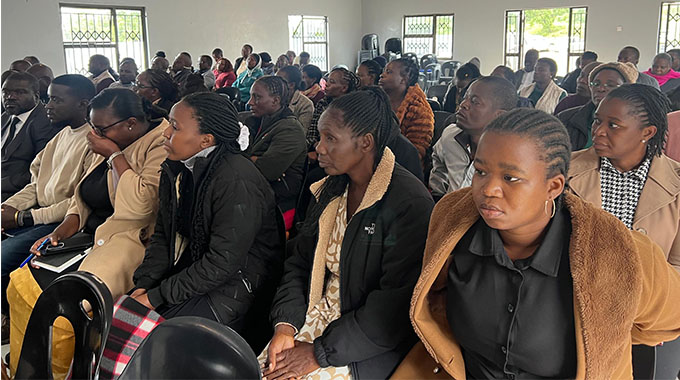
The Matabeleland South programme commenced with Gwanda District stakeholders meeting at Tshitaudze Constituency Hall.
The engagements aim to assess development issues, review progress on high impact projects and programmes, and identify challenges affecting implementation. They will also allow stakeholders to propose recommendations for accelerating progress towards Vision 2030.
Ms Muleya’s visit forms part of a national monitoring tour assessing progress and reinforcing momentum towards the national development agenda. Similar engagements have already been conducted in Mashonaland Central, Mashonaland West, Mashonaland East, Midlands, Manicaland and Masvingo.
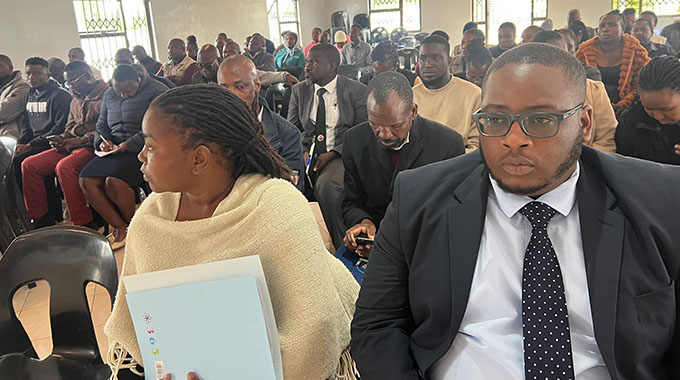
Participants included district development co-ordinators, council officials, heads of council departments, council chairpersons, mayors, chiefs, non-governmental organisations, and church representatives. Also in attendance were Zanu-PF district leaders, heads of ministries, business leaders, war veterans, people with disabilities and youth and women’s groups.
Speaking after the meeting, Chief Kgwatalala described the engagement as enlightening for district leaders.
“This meeting has come at the right time because if we are to attain Vision 2030, we must pull up our socks as leaders. We have been tasked to identify development gaps in our areas and come up with strategies to address them. We have also been urged to foster collaboration and teamwork to achieve Vision 2030,” he said.
—@DubeMatutu