Online Reporter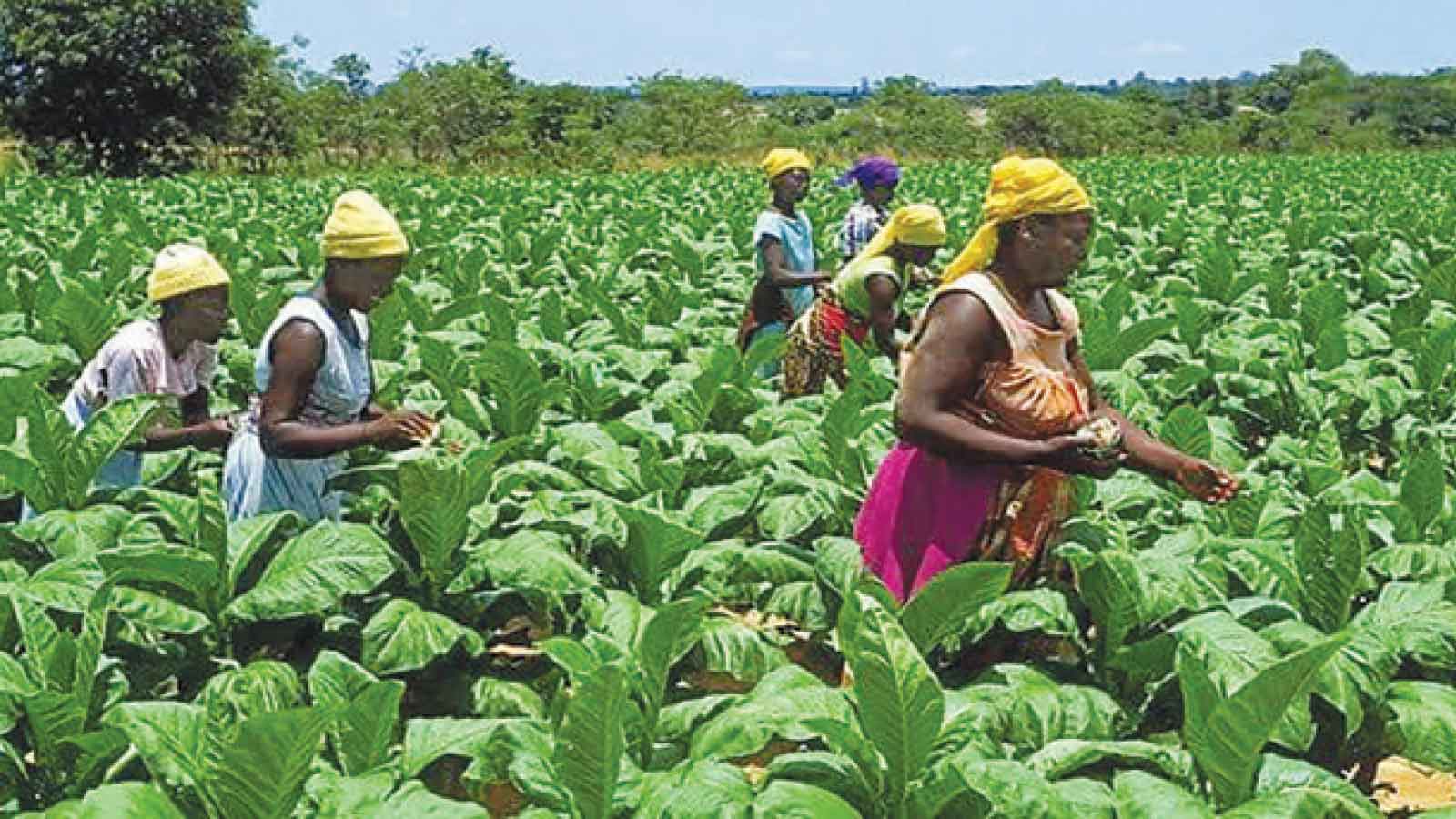
Edgar Vhera
Specialist Writer – Agribusiness
TOBACCO farmers have been advised to diversify into other high-value cash crops to reduce risk, boost incomes and improve food and nutrition security at the household level.
The advice by the Tobacco Industry and Marketing Board (TIMB) comes as farmers intensify preparations for the 2026/27 cropping season.
According to TIMB, for decades, tobacco has been the backbone of Zimbabwean agriculture, generating vital foreign currency, sustaining rural livelihoods and supporting more than 160 000 households nationwide and feeding many downstream industries.
“While tobacco remains a viable and profitable crop, the modern farmer can no longer afford to treat the farm simply as a lifestyle or heritage asset.
“Today’s economic environment demands that farms be managed as agile, commercially focused enterprises capable of creating wealth under changing market and climatic conditions,” said TIMB.
TIMB said successful farming required planning beyond a single crop and diversification should be viewed as an integral component of every tobacco farming business, complementing rather than replacing tobacco production.
“Relying entirely on one crop, however strong its historical returns may be, goes against a fundamental principle of financial management. Never invest all your capital in a single asset, as sound agribusiness depends on disciplined risk management,” said the board.
The tobacco industry regulator said diversification was not a retreat from tobacco, but a deliberate agribusiness strategy that maximises profitability, stabilises cash flow and protects farming businesses from market and climatic shocks.
“As the industry prepares for the 2026/27 production season, diversification should be viewed not as an option, but as a strategic investment in the future of every tobacco farming business,” encouraged TIMB.
The board said tobacco growers already possess valuable experience in producing a premium export crop that meets stringent international market requirements.
This places them in an excellent position to diversify into other high-value export-oriented enterprises such as blueberries, macadamia nuts, avocados, citrus, paprika, chillies, herbs and specialty horticultural crops.
“However, accessing these lucrative markets requires compliance with internationally recognised food safety and social responsibility standards.
“To support growers in this transition, TIMB offers Food Safety Compliance Consultancy Services, assisting farmers to achieve certification and compliance with internationally recognised standards,” disclosed TIMB.
The standards are measured through Good Agricultural Practice, GLOBAL Risk Assessment on Social Practice, Sedex Members Ethical Trade Audit, Internal Auditing, Hazard Analysis and Critical Control Points HACCP Level 4 and Brand Reputation Compliance Global Standards.
The board said these certifications improve market access, enhance buyer confidence and enable farmers to compete in premium export markets while building diversified, sustainable agribusinesses.
“By integrating short-cycle enterprises, farmers can generate continuous income throughout the year. This recurring revenue can finance tobacco inputs, reduce dependence on costly loans and contract debt and strengthen the financial position of the farm,” said TIMB.
TIMB continues promoting income diversification and household food security through practical interventions.
The board recently provided orange-fleshed sweet potato vines to the Stow-Muhacha Cooperative to establish one hectare under irrigation, supporting 28 small-scale farmers in diversifying their incomes while improving household nutrition.
Similar vine multiplication programmes have also been established in Matabeleland North and Matabeleland South to ensure growers have adequate planting material for the coming rainy season. TIMB recommends that growers adopt a phased diversification model built around several key principles.
Farmers should maintain tobacco as their anchor enterprise while dedicating approximately 30 percent of available land to testing profitable complementary enterprises.
“Production should always be market-led, with growers securing buyers before planting. Accurate financial records should be maintained for each enterprise to identify which activities generate the strongest return on investment,” urged TIMB.