Online Reporter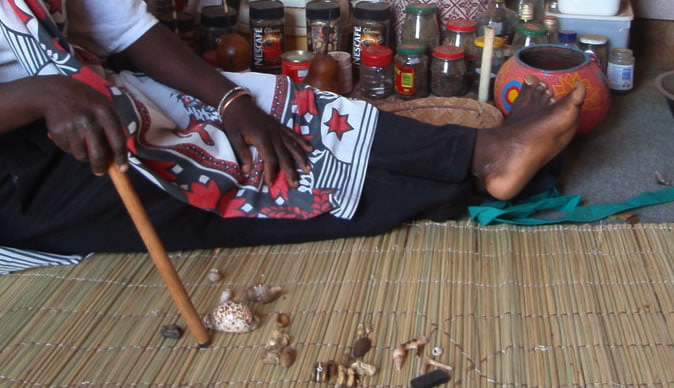
Rodgers Irimayi
Cultural Perspectives
THE rise in murder cases in our country has become a major cause of concern.
We all fear death, and no sane person prefers to die at the hands of another person. Our hands should never be counted among those that spill blood of other human beings.
The question of whether ritual murders can solve problems is a provocative one, inviting considerations of our traditional ethics, law, and human nature.
In the Holy Bible’s 10 Commandments, God clearly spelt religious principles such as the commandment: “Thou shalt not kill,” in Exodus 20:13 and Deuteronomy 5:17 as He emphasises the sacredness of human life.
On the other hand, the ethical doctrines from Aristotle’s virtue ethics to Kant’s categorical imperative, also affirm that human beings should never be treated merely as means to an end.
Killing for whatever reason is forbidden and totally evil.
Ritual murder, refers to the intentional killing of a person for spiritual, religious, or superstitious purposes, often as part of a ceremony or a belief system.
Unlike other forms of homicide, ritual murders are premeditated and deeply tied to cultural or occult practices.
In ritual murder cases, people kill not for revenge or self-defence, but they believe that they may achieve perceived spiritual or material benefits such as wealth, political success or fertility.
These perpetrators subject victims to mutilation as they use body parts such as organs, blood, or bones in rituals.
Targeted victims include vulnerable groups such as children and women frequently targeted.
Most ritual murder cases are rooted in traditional beliefs, and there is always the involvement of spiritual practitioners such as traditional healers or witchdoctors.
These are the most implicated in ritual murders as they mislead and claim human body parts can be used in acts that strengthen charms or “muti” to boost businesses.
The illegal practice is widely condemned for violating human rights. It should be noted that ritual murder in Zimbabwe is legally handled as aggravated murder and carries the most severe penalties, including life imprisonment.
The ritual murder case of Tapiwa Makore, a seven-year-old boy, which triggered national outrage is one of the most notorious cases.
Perpetrators who had murdered and mutilated Tapiwa’s body were apprehended, and the court sentenced his killers, his uncle and an accomplice to death in July 2023.
Many such cases appear in courts regularly as people continue to sacrifice human life with the hope of getting wealthy or supernatural protection “kuromba”.
History and criminology show that murder often triggers retaliation, perpetuating cycles of violence.
In personal disputes, it provokes family vendettas; in political conflicts, it ignites social instability.
What may have been intended as a “solution” may become a catalyst for chaos, as seen in cases where political assassinations lead to civil unrest rather than peace.
Most people believe that the murdered person may return as an avenging spirit “ngozi’ which haunts the murderer and his family.
If killings are tolerated or normalised, societies will collapse into fear and chaos.
Laws prohibiting murder are put in place to maintain peace, trust, and cooperation among citizens. Without this social contract, individuals will live in constant danger, eroding any sense of security in communities. Resorting to ritual killing reduces human dignity to a tool of convenience, eroding the very fabric of civil society.
Where ritual murder is involved, every society provides mechanisms such as legal systems, mediation and diplomacy to resolve disputes without resorting to violence.
Culture prescribes channels where traditional leaders are involved to resolve disputes where one family lost a member through murder by a member from another family.
While these avenues are sometimes slow and imperfect, they yield positive results and preserve life and dignity by preventing further conflict.
The cycle of killing each other in revenge eliminates the possibility of reconciliation and justice, closing the door on peaceful solutions.
Beside Biblical teachings, countries have laws that prohibit murder, not only to punish offenders, but to maintain peace and order within communities.
The right to life is enshrined in international instruments such as the Universal
Declaration of Human Rights (Article 3) which states that: “Everyone has the right to life, liberty and security of person.”
Zimbabwe’s Criminal Law (Codification and Reform) Act addresses practices tied to witchcraft.
Section 101 specifies that belief in witchcraft or spirit-related motivations does not constitute a defence to murder.
Every major ethical system whether religious, cultural or secular, regards life as inherently valuable.
Human life is considered irreplaceable, and its termination is irreversible. By preserving life, society upholds a fundamental moral principle that respects human dignity and worth.
Beyond legal consequences, perpetrators often face lifelong guilty and psychological burden, which can be as damaging as imprisonment.
The perception of tradition fuelling these 0crimes collides with modern legal and moral frameworks resulting in persistent gaps.
Rodgers Irimayi is the Ministry of Information, Publicity and Broadcasting Services Masvingo Provincial Information Officer. He writes in his personal capacity and can be contacted on +263778246098 or [email protected]. He can also be followed on his YouTube channel, Culture Views with Judah Kalispokaz.