Charles Mtetwa
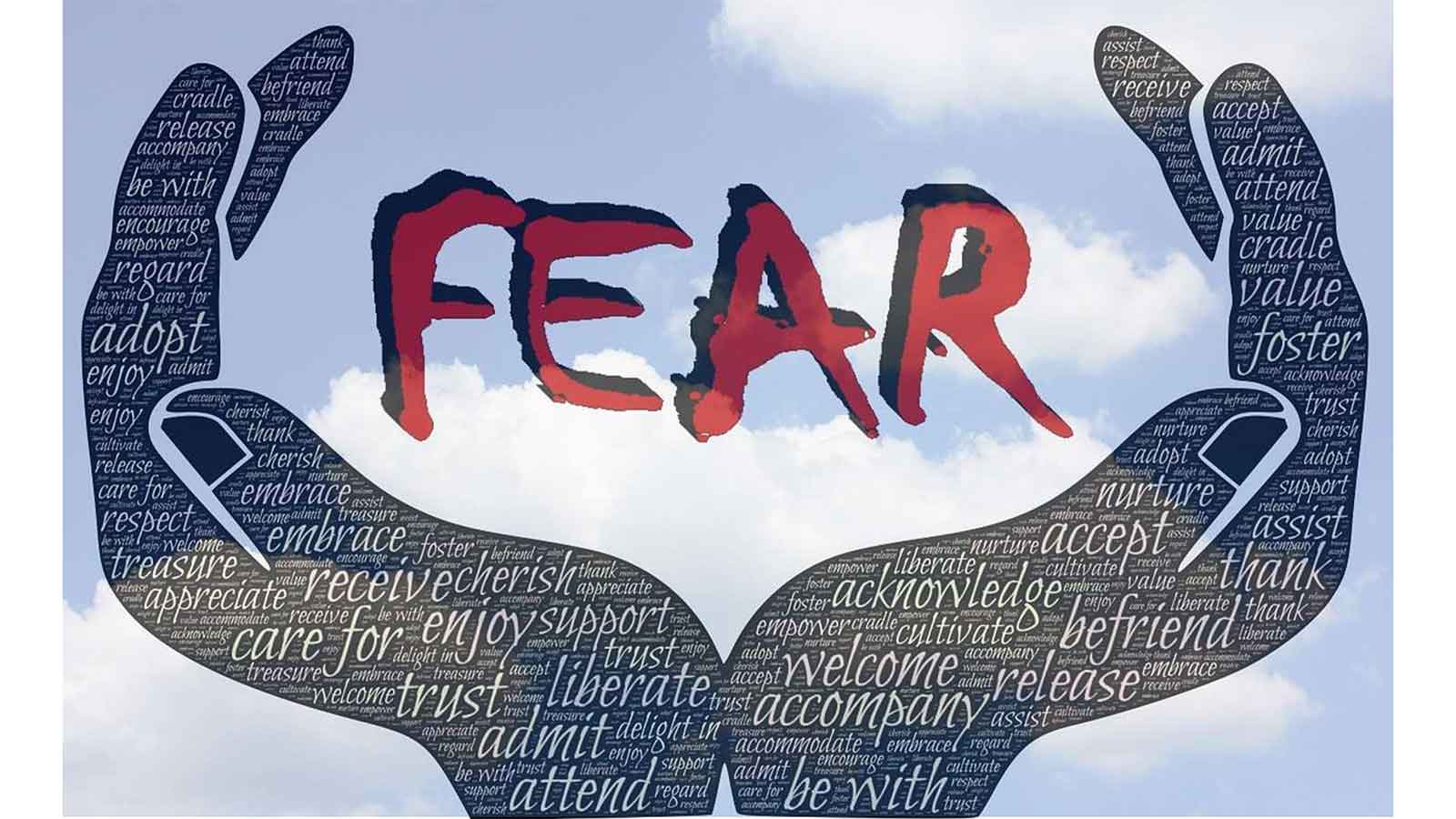
Fear is undeniably human. It is the quiet companion that shadows every major transition, and for immigrants, it often becomes the first language learned in a new land.
Yet fear is not merely a barrier; it is also a teacher. It exposes the edges of our vulnerability, but it also illuminates the contours of our resilience.
In this instalment, I explore fear not as a force to be conquered, but as a transformative agent, one that, when understood, can guide individuals through the disorientation of resettlement and toward a more grounded sense of self.
Fear teaches attentiveness: to one’s surroundings, to one’s internal state, to the subtle shifts in identity that occur when old cultural anchors loosen. It teaches humility, reminding us that adaptation is not a linear process but a negotiation between past and present. Most importantly, fear teaches courage. Not the cinematic kind, but the quiet, persistent courage required to rebuild a life in a place where nothing feels familiar.
For many immigrants, the journey is not simply about learning to live in a new country; it is about learning to live with themselves in a new context. Fear, when approached with curiosity rather than shame, becomes a guide through that process. It reveals what matters, what wounds still need tending, and what strengths have been underestimated.
In this way, fear becomes less of an adversary and more of an unexpected mentor, one that shapes growth, fosters adaptability, and ultimately contributes to a deeper, more integrated sense of belonging.
Fear enters our lives long before we have language for it. It sits quietly in the background of every transition: the first day of school, the first time we speak in public, the first time we leave home, the first time we love someone enough to risk losing them. And for many families who uproot themselves from familiar, tightly bonded communities and arrive in Western societies built on rules, systems, and institutions, fear becomes almost a daily companion.
It is not the loud, dramatic kind of fear. It is the subtle kind, the fear of misunderstanding, the fear of being misunderstood, the fear of losing one’s identity, the fear of failing to belong.
It is the fear that comes from stepping into a world where the old maps no longer work. But here is the part we rarely name: fear is not only a burden; it is also a source of information, energy, and possibility.
Most of us grow up believing fear is something to avoid, suppress, or overcome. Yet when you look closely at human behaviour, you see something different. You see that fear often sharpens attention. It wakes us up. It forces us to notice what we would otherwise ignore. It pushes us to prepare, to learn, to adapt. It is the discomfort that signals growth.
Think of a student sitting in a lecture hall, wrestling with a new theory they have paid to learn. The discomfort is real, the confusion, the frustration, the sense of inadequacy. But because the purpose is clear, the fear becomes tolerable. It becomes fuel. The student leans in, not away.
Think of a woman carrying a child. She knows the journey will demand sacrifice, changes in her body, her habits, her routines. She knows the pain of childbirth is inevitable. Yet she accepts it, not because she enjoys it, but because she understands its meaning. The fear is not eliminated; it is integrated.
These examples reveal something profound: human beings are capable of transforming fear when they understand its purpose. And yet, in everyday life, we often default to the familiar. We cling to routines, habits, and predictable interactions because they require no effort. They allow us to operate on autopilot, so to speak. There is comfort in knowing how someone will speak, how a conversation will unfold, how a day will go. Predictability feels like safety.
But growth rarely lives in the predictable. Growth lives in the moments when the ground shifts beneath us, when we enter a new culture, learn a new skill, or confront a new challenge. These are the moments when fear rises, not to punish us, but to alert us that something important is happening. The tragedy is that we seldom pause to ask: What has fear taught me? What strength did it reveal? What skill did it force me to develop?
Many people who have lived through hardship can look back and see that fear shaped them in ways comfort never could. It made them more resilient, more attentive, more empathetic.
It expanded their identity. It deepened their understanding of others. It gave them insight into the human condition that cannot be learned from books. But reader, I am simply inviting you to acknowledge the advantages of how burdens transformed your future, and yet we rarely make this connection.
Others, of course, become overwhelmed by fear. They retreat. They repeat old patterns. They become trapped in cycles of stress or emotional residue. But even this tells us something: fear is powerful. It shapes us whether we acknowledge it or not.
So perhaps the real task, the one we rarely teach, is to help people recognise fear as part of the human experience, not as a failure of character. To help them name it, understand it, and work with it rather than against it. To show them that fear can be diluted, transformed, even harnessed. Reader, I commenced this subject in the context of foreigners seeking to integrate into faraway lands. However, the very concept of fear can still be applied in an array of other aspects of the human experience.
If we can learn to see fear not as an enemy but as a signal, we could see this as a sign that we are crossing into new territory, and then we can begin to use it. We can align ourselves with new habits, new ways of thinking, new ways of being. We can grow not despite fear, but through it. In the end, every human life is shaped by the same paradox: we fear change, yet we are changed by fear.
And perhaps the most hopeful truth is this: we are born without knowledge, but through lived experience, including fear, we gain understanding, insight, and the capacity to build better lives.
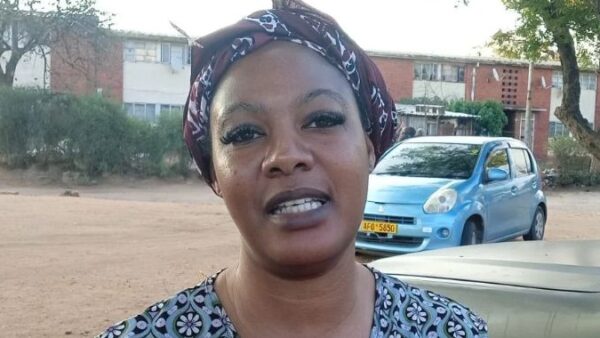
Charles Mtetwa is a mental health professional and counsellor. Feedback: email [email protected]