


 Sundaymail Editor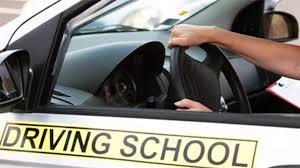
Your Money, Your Call
Cresencia Marjorie Chiremba
THE areas around Robert Mugabe Square and the College of Music have become bustling hubs for driving schools.
Many cars bearing L plates are found there, in what has become an unofficial open-air classroom.
While this could signal an increasing demand for driving lessons in the city, one glaring problem persists: the complete lack of toilets for both the driving instructors and their learners.
As I observed the scene earlier last week, one question lingered in my mind: Where do they answer nature’s call?
After all, hours of training are bound to lead to moments when instructors or their clients need toilets.
The harsh truth is that no public conveniences exist within the vicinity, leaving them with no option but to get creative — or desperate. For a city striving to achieve world-class status, this is a glaring oversight.
The rise in the number of driving schools operating in these areas comes with consequences beyond the visible congestion of learner cars.
Without proper facilities, the environmental and hygienic implications are worrying. What happens when toilets are not available?
Some resort to nearby alleys or bushes — an unsanitary and unsafe solution that degrades both the dignity of individuals and the city itself.
One instructor, who asked not to be named, shared his frustrations saying they spend most of the day at Robert Mugabe Square because it is convenient for learners, but there are no facilities there.
He notes the situation is embarrassing and inconvenient.
Sometimes they ask nearby businesses to use their toilets, but they are not always accommodating. Learner drivers echo this frustration, with many silently enduring discomfort rather than speaking out.
This issue extends beyond personal inconvenience; it is also an environmental concern.
Without proper sanitation facilities, waste management becomes non-existent in these areas.
Harare already struggles with litter and lack of sanitation, and the absence of toilets for a growing population of driving instructors and learners exacerbates these challenges.
It is an unspoken problem threatening both public health and the city’s aspirations.
City authorities must act swiftly to address this growing concern.
As the number of driving schools rises, so does the responsibility to provide adequate infrastructure. A simple and effective solution could be the installation of outdoor portable toilets in these areas.
This would not only improve sanitation but also demonstrate a commitment to creating a cleaner and more inclusive urban space.
Driving schools also have a role to play. While they are businesses capitalising on growing demand for their services, they have a duty to ensure the well-being of their staff and customers.
Hiring outdoor portable toilets is a viable and relatively inexpensive option, making it a practical solution for an industry that operates in the public domain. Additionally, the toilets are easy to maintain.
Investing in these toilets could set a positive example of corporate social responsibility and environmental care.
Furthermore, the city council could collaborate with driving schools to allocate designated operational zones that maintain cleanliness and accessibility.
These zones could include toilets, waste disposal bins and seating areas, creating a more organised and welcoming environment.
It is time to address this pressing need.
Cresencia Marjorie Chiremba is a marketing consultant with a strong passion for customer service/experience. Contact details: [email protected] or +263712979461, 0719978335, 0772978335, www.customersuccess.co.zw



 Online Reporter