Chronicle Editor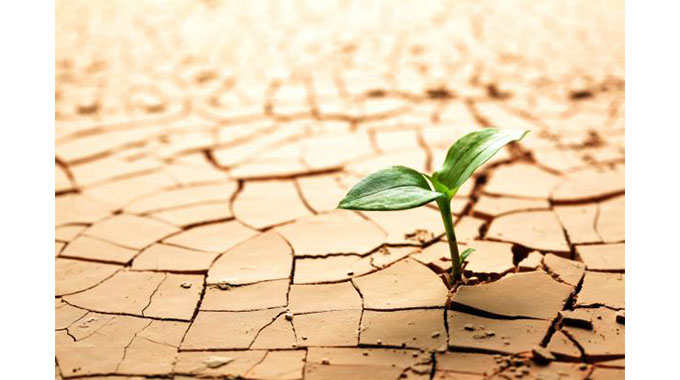
Stephen Mpofu, Perspective
In the first decade of freedom after Independence in 1980 peasants touted Zimbabwe as the breadbasket of Southern Africa right up to Cairo in the North.
Today, in the fourth decade of Uhuru, our people are retracing their footsteps up North through Zambia holding empty begging bowls to fill sunken bellies of the masses back home.
Now, if the new development does not translate into a tragic irony, then what does?
This particular discourse is in response to official Government reports that Zimbabwe will this year import food from next door in Zambia as well as from Malawi after crops here failed due to drought.
Soon after gaining freedom and Independence from colonial British rule, peasants using their small holdings produced enough food to ensure that white racist settler farmers sitting on vast tracts of land did not deliberately cause food shortages to punishment blacks for wresting power from the white ruling class.
Land reform, under which the Zanu-PF government acquired farms from white settlers to boost food production provoked illegal economic sanctions by the United States of America and its allies among them Britain, the former colonial power in our country.
Then, and quite unexpectedly global warming zeroed in lending a hand as it were to economic devastation caused by the diabolic economic embargo.
But global warming cannot surely be conceived by any right thinking people as God’s punishment for the sins of humanity.
To the contrary, global warming is the sum total of mainly developed economies competing with each other for dominance developmentally and therefore not willing to stop the discharge of toxic gases into the atmosphere – albeit with smaller countries contributing in a small way to the catastrophic development.
Rendered wafer thin by the cumulative, corrosive effects of toxic gases the sun then dangerously heats up earth causing recurrent droughts and devastating cyclones such as Idai in Manicaland Province.
But of course, our own Government did not sit back and watch the people suffer but introduced Intwasa/Pfumvudza under which crops are protected from climatic ravages caused by global warming.

For instance, holes are dug in a field in which crops are planted and mulched – an action meant to cover the top layer of soil to protect, insulate, or decorate it, to discourage weeds or retain moisture.
There have been reports of crop failures in many parts of the country including urban areas because farmers knew little about mulching their crops.
Which raises an imperative need for expert supervision of the new innovative food crop producing method for better results as no one can say for sure when global warming will end and spur people further hunger.
It therefore, also behoves on our Government to ensure that agricultural experts oversee food production practises across the country by peasants and their traditional leaders so that money which should otherwise be spent on importing food is directed to other national development initiatives.
Supervision by radio and newspapers of food crop production should not be the be all and end all but serve to complement supervision on the ground by farming experts.
It also appears not only necessary but imperative for small grains such as sorghum, pearl millet and others with a history of drought resistance to be grown in areas where droughts are persistent, while maize is encouraged in rain-consistent regions.
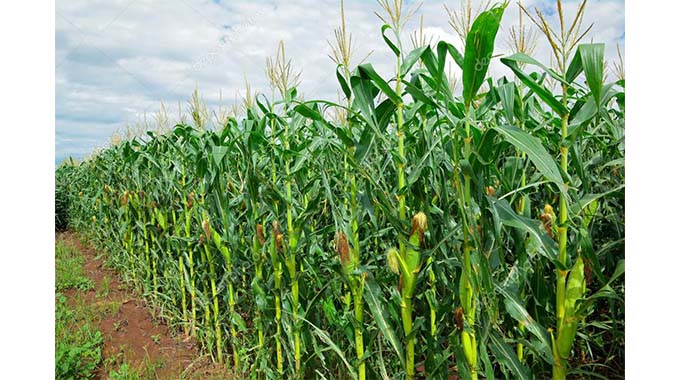
With the above and other, necessary land use practices, including irrigation in place, our country will be home and dry as a goose that lays the golden egg for foreign investors as well as for importers of agricultural produce.
If the suggestions above take hold on our people with livestock production including donkeys for draught power, potential imperialist lackeys, manifest in their political activities against their motherland, will certainly not fail to be rendered defunct as our country moves unimpeded into brave new futures.



 Online Reporter