admin
admin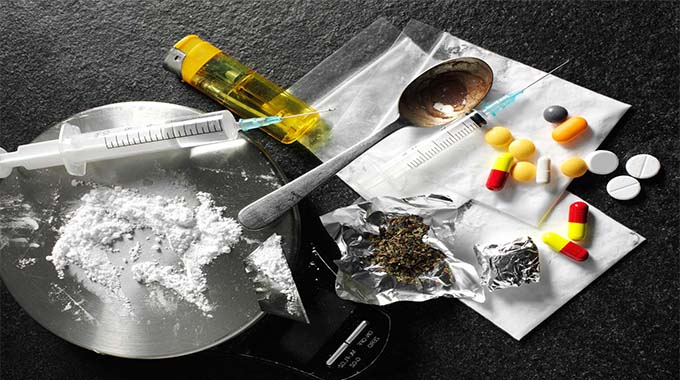
DRUG and substance abuse among school-going children in Zimbabwe has become a problem and so dire is the situation that more than half of the youths’ population is reported to be involved in drug abuse.
Despite measures implemented by various stakeholders, including Government, statistics on youth drug abuse continue to rise year after year. This calls for a more urgent and comprehensive approach to combat this growing epidemic.
These illicit substances come in different forms and the most notorious of them all is crystal meth (commonly known as dombo/mutoriro), which, along with heroin, cocaine, marijuana, and alcohol is wreaking havoc on the youth of this country.
These illicit substances are not just dangerous — they’re stealing the futures of our youth. The impact is devastating. School absenteeism, failing grades and health problems are just the tip of the iceberg.
These substances can lead to addiction, violence and even death. We cannot stand idly by as this dark cloud engulfs a generation. Somewhere in this edition we carried a disturbing story, where students are reportedly drying and scraping soaps, mixing the scrapings and rolling them in paper to smoke in order to get high.
The health consequences of smoking this new form of concoction are reported to be even more severe than those caused by mutoriro. In addition to the soap concoction, students are reportedly using other dangerous methods to obtain alcohol.
Some mix cereal with undiluted orange crush and ferment it for days, while others create a potent mixture with cereal, brown sugar, water and yeast, all fermented under the sun and consumed by students despite school authorities’ presence.
The prevalence of students using cereal for alcohol has reportedly led schools to ban cereal possession altogether. These revelations are not only a tip of the iceberg but are also a clarion call for Zimbabwe to introspect on how to tackle this problem that threatens the welfare, mental health and future of our youths.
Medical findings across the globe established that young people who persistently abuse drugs and other substances often experience an array of problems that include poor performance in class, health related problems such as mental health and poor peer relationships which ultimately result in all forms of gender-based violence and a range of criminal activities.
All this has a direct negative impact on the cognitive development of our children. A multi-pronged approach is needed. We must strengthen education programmes to equip young people with the knowledge and skills to resist peer pressure and make healthy choices.
Parents and guardians need support in fostering open communication with their children about the dangers of drugs. They should be always on the lookout for the earliest signs of drug and substance abuse so as to immediately reach out for assistance. Community involvement is also essential. Raising awareness, promoting healthy alternatives and creating a supportive environment can go a long way in protecting our youth.



 derick.khumalo