admin
admin
Robson Sharuko
Editor
IS rampant drug abuse responsible for our dramatic fall from grace in cricket which has now seen us even lose to such lightweight nations like Namibia and Uganda?
Are the drugs responsible for the Chevrons’ failure to qualify for the ICC Twenty20I Cricket World Cup in the Caribbean and the United States in June this year?
The tournament will feature 20 teams but, somehow, the Chevrons, who have Test status, which makes them to be considered as an elite cricket-playing nation, will not be at the showcase.
The Chevrons were beaten by Namibia and then fell to an embarrassing defeat at the hands of Uganda at the qualifiers where they had been expected to roll past their opponents without raising much of a sweat.
Soon after that disaster in Namibia, the Chevrons took on the Irish in Harare and lost the Twenty20I series 1-2 and the ODI series 0-2.
It was the first ODI series win by the Irish on Zimbabwean soil.
The Chevrons fans have been wondering how their team has now fallen, in such spectacular fashion, from one which could compete favourably against some of the best sides in the world, to one which has become a punching bag.
Now, as the drugs shame continues to unfold in the Chevrons camp, it’s hard for those fans not to feel that all this is playing a part in their team’s fall from grace.
The biggest questions in local cricket today are:
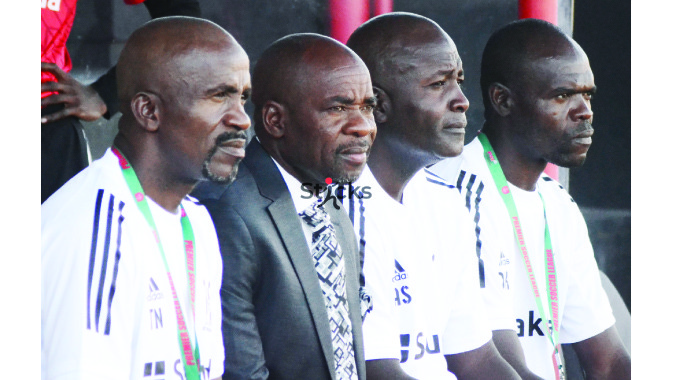
l Did David Houghton, the architect of the team’s revival, throw in the towel after realising that he could not take the Chevrons any further because of the drug abuse in the camp?
l When Zimbabwe Cricket announced that Houghton had lost the dressing room, when he decided to call it quits, did they mean that he had been overwhelmed by the drug abuse in the team?
Yesterday, ZC announced they had banned national team players Wesley Madhevere and Brandon Mavuta from cricket for FOUR months for recreational drug use.
The legendary late Shane Warne of Australia, Alex Hayles of England and Zubayr Hamza of South Africa have also fallen into the same trap in the past and served sanctions.
“The two received the sanction after admitting — when they appeared for a disciplinary hearing last Wednesday — to charges of breaching the ZC Employment Code of Conduct that arose when they tested positive for a banned recreational drug during an in-house doping test in December.
“On top of the ban, Madhevere and Mavuta have been fined 50 percent of their salaries for three months, with effect from January 2024, while they also received final written warnings valid for 12 months.
“In taking the decision, the Committee also considered some mitigating factors, with both players showing remorse and having already started working on withdrawing from the habit and getting their systems clean.
“Meanwhile, ZC has with immediate effect suspended another national team player, Kevin Kasuza, from all cricket activities, pending a hearing, after he tested positive for a banned recreational drug during an in-house doping test last week.

“He is due to appear for a disciplinary hearing soon.”
ZC added:
“ZC has a zero tolerance towards drugs and drug taking and, in imposing the sanctions, the Disciplinary Committee considered that drug taking was a serious offence and that the breach by the two players had brought the organisation and the game of cricket into disrepute.”
Former captain, Brendan Taylor, confessed to taking cocaine following his fall from grace in 2021, forcing him into sudden retirement after a failed drugs test and also to pre-empt ICC, who had started an internal process to sanction him over match fixing.
“I have let a substance take control of me and impair my vision, my morals and my values and it is time that I prioritise what really matters.”



 Online Reporter