Online Reporter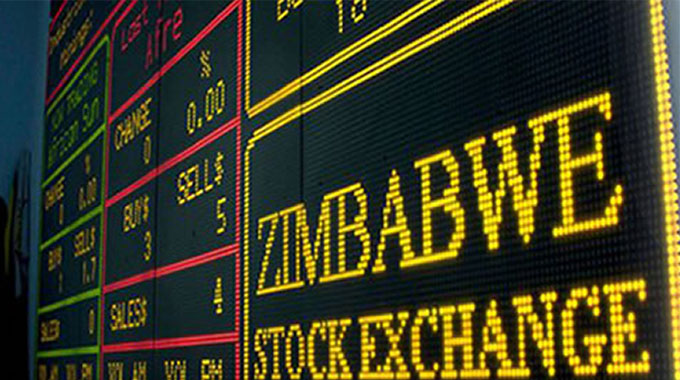
Nelson Gahadza, Senior Business Reporter
A marked improvement in economic stability in 2025 has eliminated volatility in stock trading and boosted investor sentiment in the equities market, the Zimbabwe Stock Exchange (ZSE) has said.
Zimbabwe’s economy has recorded noticeable progress towards durable stability since April 2024, after the country adopted the Zimbabwe Gold (ZiG) currency, which has restored price predictability and allowed better business planning.
Currency and exchange rate stability, amid tight monetary and fiscal policies, among other Government policy interventions, have resulted in a drastic drop in inflation.
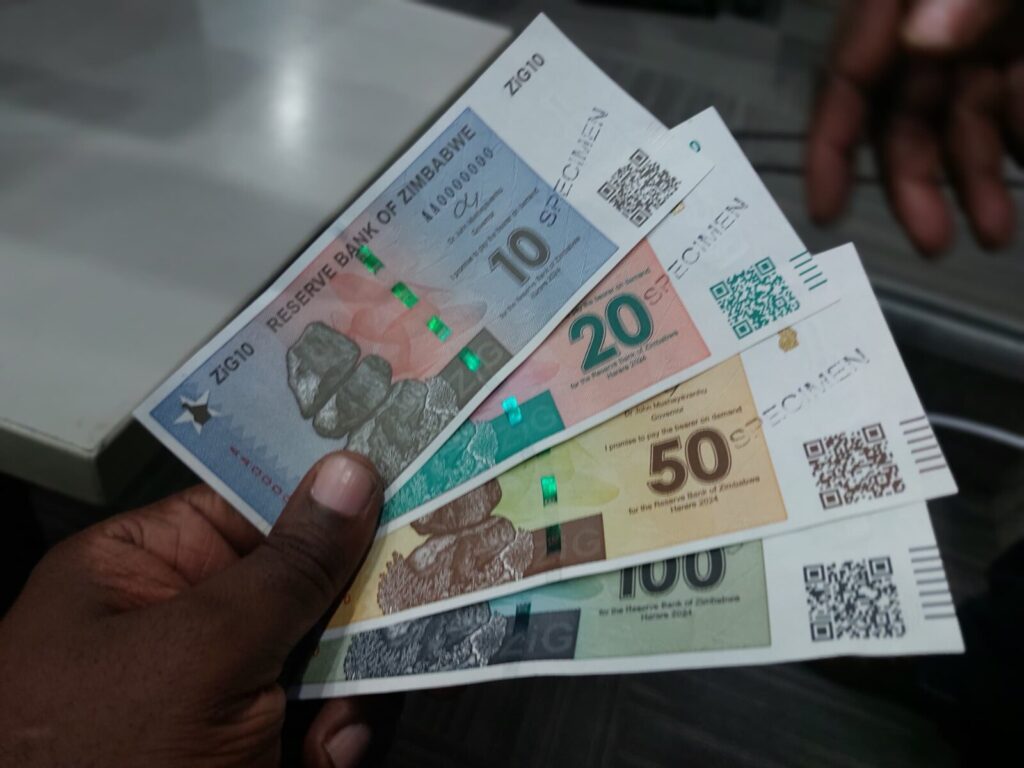
Zimbabwe’s annual inflation rate plunged from over 106 percent in June this year to 19 percent last month, as prices cooled down in key sectors. The annual drop is projected to drop further and reach single-digit levels by the fall of 2026.
ZSE chief executive officer Mr Justin Bgoni, in an interview on Friday, said improved inflation dynamics and greater exchange rate stability helped remove the extreme stock price volatility previously observed on the ZSE.
“This contributed to a more measured and less speculative trading environment. In response to these conditions, regulators implemented interventions to lower overall transaction costs on the exchange.
“Notably, the capital gains tax was removed, and the capital gains withholding tax was reduced to 1 per cent. These policy adjustments supported improved market efficiency and investor participation,” he said.
In 2026, Mr Bgoni said the markets were poised for increased activity driven by stronger local and foreign investor participation, new listings and deepening capital-raising avenues.
“Market activity on both the ZSE and the Victoria Falls Stock Exchange (VFEX) is expected to increase, driven by heightened participation from both local and foreign investors.

“The capital markets are also anticipated to deepen as more instruments come to market, particularly through new listings in the mining sector and the continued growth of Real Estate Investment Trusts (REITs),” he said.
“This will be supported by integrating informal economic activity into the formal economy through the Zimbabwe Entrepreneurship Exchange (ZEEX), a dedicated SME exchange designed to broaden access to funding and enhance the inclusivity of capital markets,” said Mr Bgoni.
The launch of the SMEs, he said, was expected to provide more capital-raising initiatives for small and medium-sized enterprises (SMEs).
According to Mr Bgoni, the ZSE All Share Index, which reflects the performance of all listed counters on the local currency-denominated exchange, gained 7,99 percent year-to-date as of November 30, 2025, closing at 234,97 points.
He said the ZSE Top 10 Index, which tracks the largest blue-chip companies by market capitalisation, recorded a 9,49 percent year-to-date gain, closing the period at 235,67 points.
Mr Bgoni said the US dollar-denominated VFEX’s All-Share Index delivered a strong performance after surging by 67,82 percent year-to-date to close at 174,68 points.
“VFEX delivered a strong performance in 2025 that exceeded market expectations as of November 30, 2025. The exchange’s total market capitalisation expanded by 62,96 percent, reaching US$2,085 billion.
“This strong growth was largely driven by significant price appreciation across listed counters, reflected in the 67,82 percent year-to-date increase in the VFEX All Share Index, which closed at 174,68 points,” said Mr Bgoni.
In addition to value gains, he said the market breadth improved with the listing of two new counters during the year, namely Kavango Resources Plc and Eagle REIT.
Mr Bgoni said the new listings enhanced sectoral diversity and deepened the exchange’s investable universe.
“Overall, the VFEX outperformed expectations in 2025, supported by robust market gains and increased listing activity, underscoring its rising role as Zimbabwe’s primary USD-denominated trading platform,” he said.
Mr Bgoni noted that on the VFEX, foreign investor participation declined to 10,71 percent in 2025 from 25,29 percent in the previous year.
He said the reduction was primarily driven by increased activity from local investors, who have continued to deepen their presence on the VFEX.
On the ZSE, foreign participation also moderated slightly, falling to 21,34 percent from the 23,46 percent recorded in the previous year.
“However, with the recent streamlining of transaction costs, greater foreign investor involvement is anticipated going forward,” he said.
He added that efforts to enhance retail investor participation remained ongoing across both exchanges.
The ZSE boss also said investor education initiatives, alongside the continued promotion of mobile trading platforms, were contributing to improved accessibility and were expected to support broader engagement by retail market participants.