Moffat Mungazi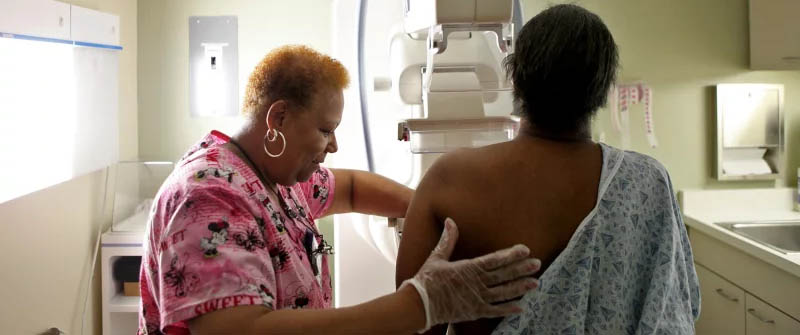
Tendai Gukutikwa
Health Reporter
LOCALS are being urged to prioritise early cancer detection to increase chances of successful treatment and prevent the future need for palliative care.
Island Hospice and Healthcare Mutare branch coordinator, Mrs Alice Dube on Wednesday highlighted the importance of routine cancer screening, while encouraging women and men to take advantage of the breast cancer and prostate cancer screening services at various institutions in the city.
Mrs Dube said early detection remains the most effective strategy in combating cancer, as it significantly improves treatment outcomes and reduces mortality rates.
“For us, this is a pivotal initiative focused on raising awareness about breast cancer and promoting early detection. We want people to prevent cancer, and one of the ways to do that is through early detection. Early detection is the most effective way of combating the disease,” she said.
Mrs Dube said the top three cancers affecting both men and women in the country are cervical, breast and prostate cancers.
To bridge the gap in cancer care, Island Hospice and Healthcare has partnered with the Ministry of Health and Child Care and other stakeholders to make screening services more accessible.
“These can be detected early through affordable and accessible screening services offered by institutions like Island Hospice and Healthcare, working in partnership with the Ministry of Health and Child Care. We work with patients who are referred from both public and private hospitals, and also refer them back. Together with the ministry, and other like-minded partners, we have partnered to close that care gap against breast cancer.
“We take appointments, and since we are not a profit-making organisation, take donations for the tests — US$2 for breast cancer screening and US$5 for prostate cancer screening,” she said.
Despite the affordability of these services, Mrs Dube expressed concern over the low turnout of people for screening services.
“Currently, people are not coming in their numbers. There is a high turnover in October and November because of the breast cancer awareness month, but we need people to understand that screening should be routine, not seasonal. t should be a regular health priority,” she said.
Mrs Dube said detecting cancer in its early stages eliminates the need for extensive and costly treatments and, more importantly, reduces the chances of requiring palliative care.
“It is good for someone to detect cancer early rather than when it is already in its advanced stages and palliative care is needed. In most cases, when cancer is detected late, there is not much that can be done. To make sure that everyone is reached, we are therefore inviting women and men to make appointments for screening at our offices,” she said.
Beyond early detection, Mrs Dube said they are committed to supporting those affected by cancer and advocating for increased access to screening services.
“This includes offering psychosocial support to patients and their families, as well as raising awareness on how to mitigate the risk factors associated with cancer.”
Mrs Dube urged citizens to take advantage of the screening services available at their offices and ensure that they are regularly checked.
“Cancer does not wait for anyone. The earlier you detect it, the better your chances of survival. Do not wait until it is too late. We encourage all eligible individuals to book for appointments and take proactive steps in protecting their health. With consistent screening and increased awareness, the burden of cancer can be significantly reduced, and more lives can be saved,” she said.
Medical experts agree that cancer screening plays a crucial role in detecting abnormalities before they progress into advanced stages.
The World Health Organisation (WHO) recommends that women over the age of 25 undergo cervical cancer screening at least once every three years, while those above 40 should have regular breast cancer checks.
Men over 50, particularly those with a family history of prostate cancer, are encouraged to get tested routinely.
WHO also says cervical cancer, which is the leading cause of cancer-related deaths among women in Zimbabwe, can often be prevented through routine Pap smear tests and HPV vaccinations.



 Online Reporter