

 admin
admin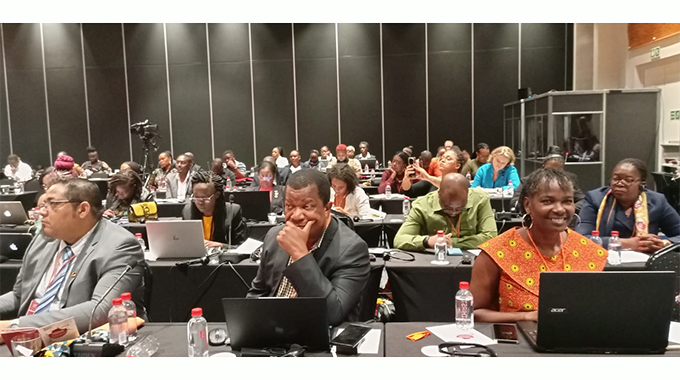
Rumbidzayi Zinyuke In Johannesburg, South Africa
More than 150 delegates from 18 countries in East and Southern Africa have gathered in Johannesburg, South Africa, to discuss ways of creating dialogue around strengthening sexual reproductive health and rights (SRHR) in the region.
The three-day SRHR Mukutano is being hosted by the AIDS and Rights Alliance for Southern Africa (ARASA) with the support of the Swedish International Development Cooperation Agency (SIDA).
The symposium seeks to create an opportunity to reflect on the SRHR movement in the past decade and showcase some of the advancements that have been made and learn from the challenges experienced while also facilitating opportunities for networking, collaboration, and exchange of ideas with regional and international SRHR activists, scholars, and practitioners in evidence-based practice.

Several systemic and structural barriers to universal access to SRHR in the region include poverty, violence, human rights, and social, cultural, and religious norms. Women, girls, the LGBTQI community and other marginalised populations are disproportionately affected.
According to Arasa, the challenges facing the region must be understood in the context of dramatic climate change, which has disproportionately impacted key populations. Due to the proliferation of extreme weather events, there has been a rise in food insecurity, migration, and natural disasters.
The recent Covid-19 pandemic also exacerbated the vulnerability of marginalised populations in all their diversity, realigned funding priorities and has led to a regression in progress achieved over the years.



 Online Reporter