Online Reporter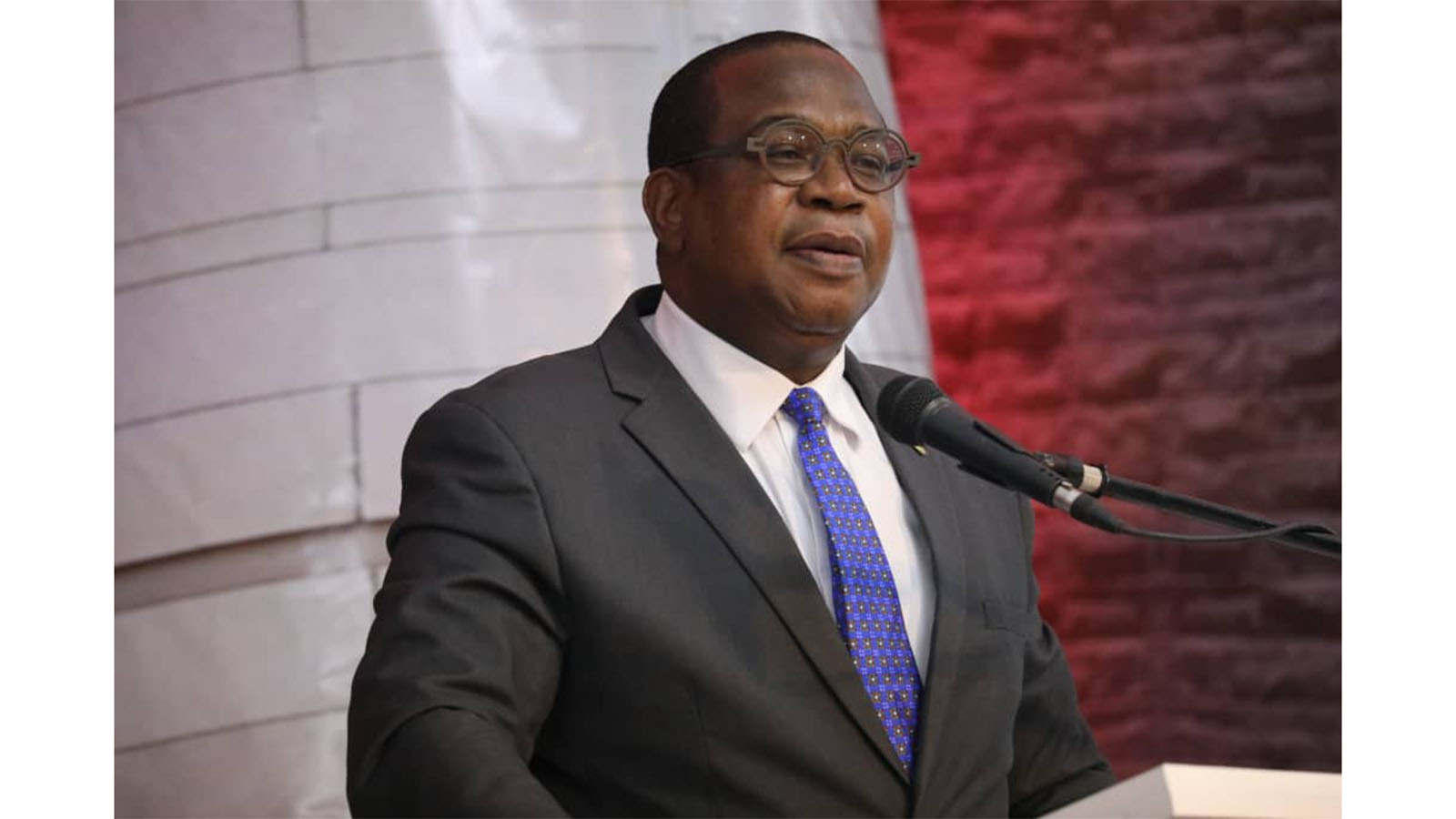
Conrad Mwanawashe
FINANCE, Economic Development and Investment Promotion Minister Professor Mthuli Ncube knows that a new tax is the quickest way to empty a room of friends.
The introduction of a 0,5 percent fast-foods tax in the 2025 National Budget — targeting everything from pizza and burgers to doughnuts and chips — was met with the usual groans.
But the anger misses a terrifying point: Cheap food is killing us faster than any tax ever could.
Yet, a shocking new United Nations Children’s Fund (UNICEF) report reveals this is not merely a revenue grab.
It is a desperate fiscal intervention to stop a nation from eating itself into a catastrophic health emergency.
The UNICEF report, titled “Market Size Estimates for Unhealthy Food & Beverages in Zimbabwe”, reveals a staggering reality that justifies Treasury’s intervention.
In 2024 alone, Zimbabweans spent US$623 million on unhealthy processed foods, fast food and sugary drinks.
It represented a 39 percent increase since 2021.
While we worry about the cost of the fast-foods tax, we seem dangerously comfortable with the cost of the “triple burden of malnutrition” facing our country, where undernutrition exists side by side with skyrocketing obesity and diet-related diseases.
The industry is targeting children
The most chilling justification for this tax is not economic, but moral.
The UNICEF report exposes a manufacturing model that “relies heavily on child consumers”.
“Products such as salty snacks, carbonated soft drinks and sweetened fruit juices are aggressively marketed to children and mainly sold through informal channels. Industry experts state that children and adolescents aged five-19 constitute around 70 percent-72 percent of total volume soft drink consumption,” adds the report.
Affordability and accessibility drive frequent purchases.
“Parents often provide pocket money, which children spend on cheap, high-sugar and high-salt snacks from tuck shops near schools.”
UNICEF also notes that unhealthy packaged foods grew by 28 percent in value over four years, led by savoury snacks, sweet biscuits and confectionery.
“Savoury snacks remain extremely popular among children and adults although industry interviewees report that adults are buying less in volume terms year-on-year compared to children, for whom the opposite trend is evident.
“Child snack consumption has been estimated by industry experts interviewed for the study to be growing 10-15 percent in value terms year-on-year.”
This is not a question of adults making poor choices; it is a systematic plan targeting minors.
When 40 percent of adolescents in urban areas are eating fast food regularly, it is no longer a treat — it is a public health emergency.
“This trend is largely fuelled by the pervasive impact of social media marketing and the powerful role of peer pressure,” UNICEF noted.
The industry has successfully marketed fast food as “aspirational” and “superior”, making a trip to a food court a status symbol for families.
By placing a levy on these specific items, the Government is finally pushing back against a culture that equates junk food with success.
Proof that fiscal policy works
Sceptics claim a 0,5 percent tax would not change behaviour.
However, the data proves otherwise.
The UNICEF report highlights the impact of the 2024 sugar tax (10 cents per litre).
Following its implementation, there was a rise of 30 percent-40 percent in the retail price of sugar-sweetened beverages in 2024, leading to a 20 percent annual decline in the sales of sugary cordials.
That tax did not just curb consumption; it raised US$40 million in revenue.
If the new fast-foods tax can achieve even a fraction of that, it provides vital funds that could — and must — be reinvested into our health infrastructure.
The real challenge: Poverty, not pizza
However, the UNICEF report notes a cruel irony: While the middle class views fast food as a luxury, the poor often rely on ultra-processed foods because they are the only affordable option.
Due to inflated prices of fresh produce and supply chain issues, only 2 percent of Zimbabweans can afford a truly balanced, healthy meal. If we tax unhealthy food without making healthy food cheaper, we are merely punishing the poor.
The UNICEF report explicitly recommends that the Government must redirect incentives to support the production of nutritious, healthy foods.
Most importantly, it recommends that “a statutory ban on the marketing of unhealthy foods and beverages to children should be enforced that covers all forms of marketing, all forms of media and all settings to which children under 18 years of age may be exposed to curb misleading health claims and shape healthier dietary preferences, purchase and diets”.
The 2021 Zimbabwe food systems transformation commitments identified game-changing pathways that must be implemented to support structural changes in the food systems.
For example, public procurement policies should be rigorously designed to restrict the sale and promotion of unhealthy foods and beverages within or in proximity to public institutions, including schools, colleges, universities and healthcare facilities, thereby fostering a health-promoting food environment and acting as a catalyst for shifting market demand towards healthier products.
The fast-foods tax is a necessary “shock therapy” for a nation addicted to sugar and grease.
The cost of a burger might be rising, but it pales in comparison to the cost of the coffin awaiting a generation raised on junk.
With the fast-foods tax, Minister Ncube pulled the fiscal lever.
Conrad Mwanawashe is a journalist. He can be contacted on [email protected]