admin
adminThe market is also concerned about the euro-region situation, as investors have become more risk averse on the ongoing fear of the crisis escalating.
The euro weakened by 0,4 percent as the European debt crisis prolongs Spain’s recession as yields on Spanish bonds rose.
The euro touched US$1,2272 against the dollar and extended losses against the sterling pound by 0,4 percent to 78,48 pence per euro as investors turned to the pound.
The yen pared gains against the dollar and the euro as the Bank of Japan kept rates unchanged showing signs of a moderate recovery.
The yen inched higher against the dollar by 0,5 percent to 78,830 yen and gained against the euro to trade at 96,760 yen. The recovery of the yen was a result of exports picking up within the region and geo-political issues that include the war in Syria.
The Bank of Japan has been monitoring excessive gains in the yen against its major peers in its quest to assist exporters. In London, the sterling pound pared gains against the dollar and the euro. The pound sterling rose by 0,4 percent to trade at US$1,5633 per dollar after disappointing retail figures released in the US.
The US dollar rallied against the euro trading at 78,48 and is likely to weaken further against the sterling pound as investors are being pushed for safety within the region into pound assets. Economic fundamentals are weighing so much on the euro-region as more investors have observed a bearish tone on the single currency.
Once more British pound-euro pair has had some wild swings that needs to be monitored if one holds assets tied to the pair. In Australia, the dollar was little changed against the US dollar trading at US$1,0246.
The Aussie dollar is looking to move up A$1,03 as the Federal Reserve will likely hint on easing and more stimulus from China could support the Aussie dollar.
At the moment, Aussie dollar’s movement upwards has been stalled by that Chinese poor showing in the manufacturing sector.
South African markets
The South African repo rate was steady at 5,5 percent pushing the rand to weaken to 8,2658 per dollar in the day’s earlier trade.
A recovery of the rates is likely to be influenced by the Federal Reserve meeting that will determine whether the central bank will go on with their easing plans as well as sentiments coming out of China.
The rand gained by 0,9 percent against the dollar to trade at 8,1998 and will likely turn that resistance into support ahead of the Federal Reserve chairman statements.
Zimbabwean markets
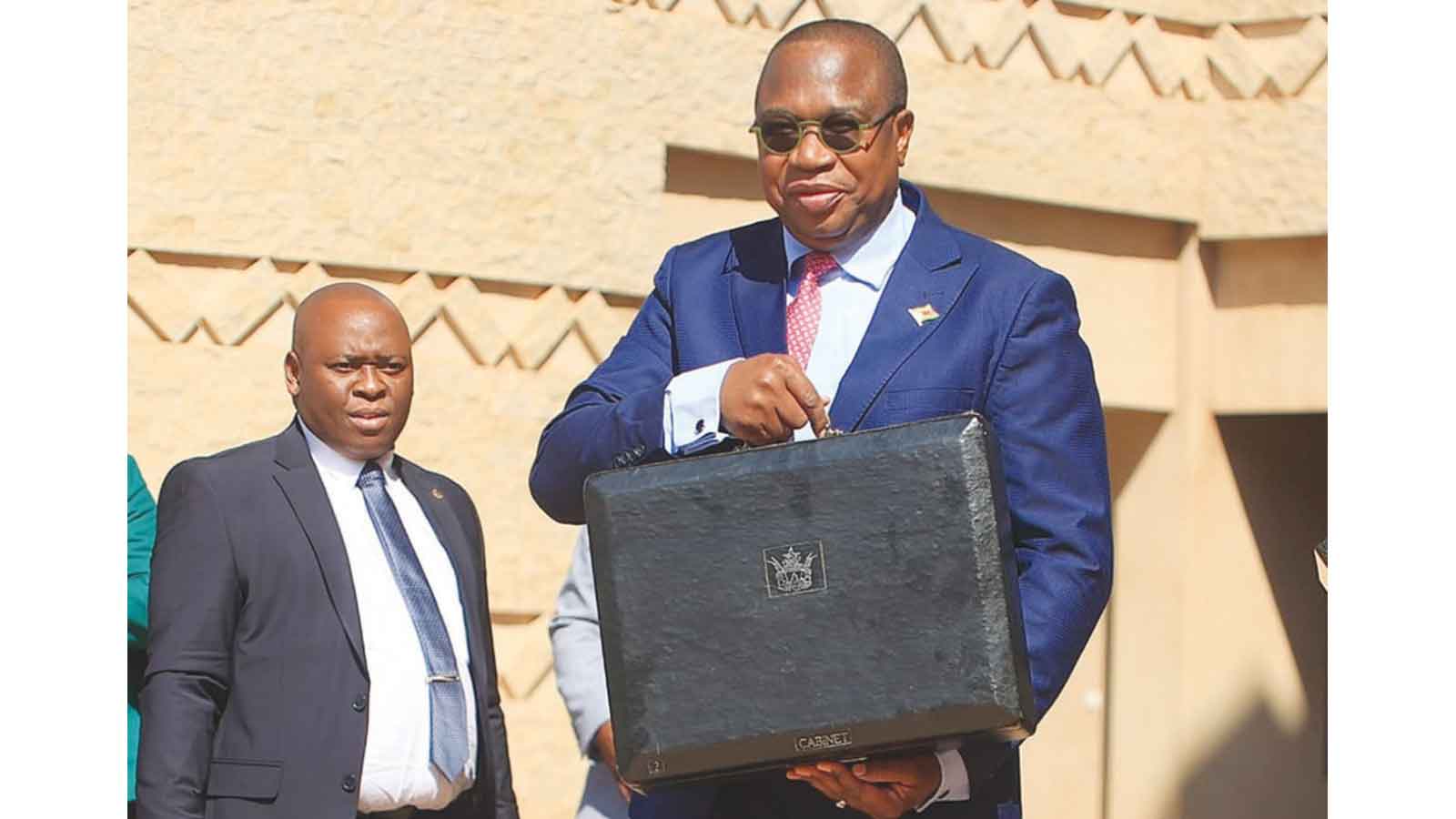
Political issues have driven uncertainty on the Zimbabwean market. Fundamentals in Zimbabwe have fallen off the cliff with the fiscal issues making the headlines as pressure mounts on the Finance minister’s mid-term policy review.
Uncertainty has become a trade cycle on the Zimbabwean market and as it stands, the country is no better shape as investors wary that there’s no transparency in terms of the indigenisation policy and property rights.
Despite all this, Zimbabwe’s gold output between January to June 2012 rose by 29 percent.
At the moment business confidence remains low with funding at its still lowest levels.
My view is that the funding stress, although intense sometimes, is manageable given that Zimbabwe boasts vast mineral wealth. With a global slowdown, which has since dimmed demand on exports, Zimbabwe is going to be affected to the downside and that means the minister will be forced to reduce the country’s growth forecast.
Commodity markets
Commodities were mixed on fundamentals. Crude oil gained by 4 percent as it continues its four-day winning streak and currently trading at US$88,78 per barrel. Gold fell as it lost its shine trading US$1 589,90 an ounce.
Contact Prodigy Chinanga on [email protected] or 0772753594.


 Online Reporter