admin
admin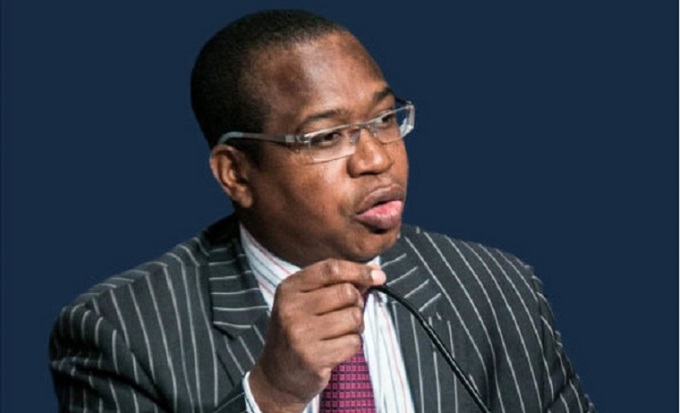
The fiscal goal for 2019, and possibly for a few more years thereafter, is austerity and more austerity for prosperity.
By and large, the Second Republic’s first national budget presented by Finance and Economic Development Minister, Professor Mthuli Ncube on Thursday, seeks to trim public spending by an extent we have not seen before and widen the revenue base, two essential building blocks for sustainable economic recovery and growth. The $8,2 billion financial framework is the first for the implementation of the Transitional Stabilisation Programme, itself the first step towards the realisation of Vision 2030.
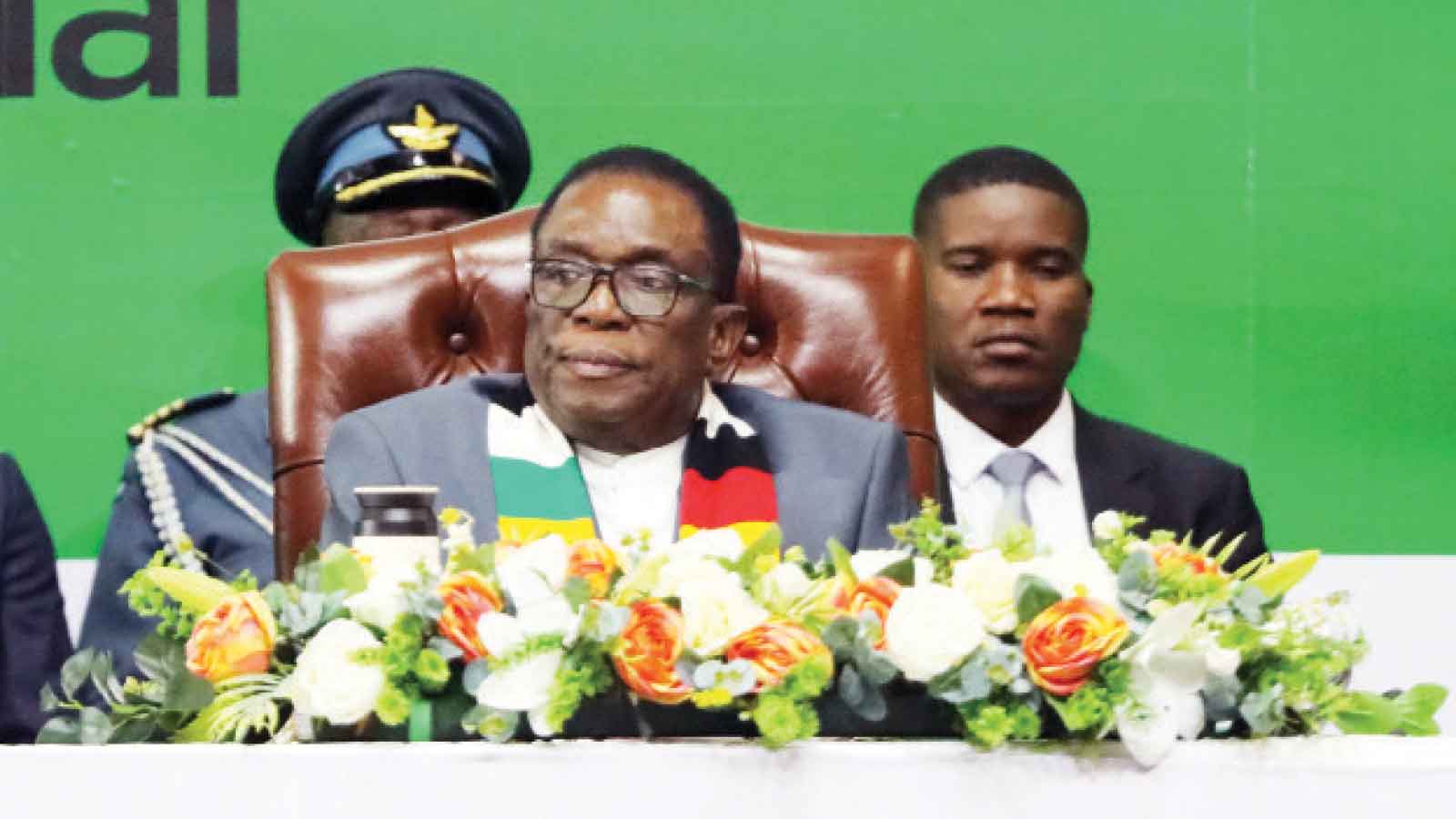
President Mnangagwa is walking the belt-tightening talk by taking a five percent salary cut from next year, as would his two deputies, ministers, deputy ministers, senior government officials, heads of parastatals and constitutional commissioners. Civil servants will be paid a bonus, which unlike previous years, will be on basic salaries only, 2 917 youth officers will be retired next month, foreign missions will be reduced while Government spending on some segments of the agriculture sector would be reduced as private sector would be “crowded in.” Civil servants aged 65 years and older will be retired.
To grow its revenue base, the Government will seek to raise $350 million through privatisation of some parastatals, increase excise duty on liquid fuels, levy import duty in foreign currency for vehicles and ensure that firms charging in foreign currency pay tax in that currency as well. Ghost civil servants would be weeded out next year through the use of a biometric registration system, thus ensure that the Government only pays those who must be on its payroll. Overall $900 million in new tax revenues should be realised next year.
The budget acknowledges that as an economy we have huge capacity constraints, hence the need for expenditure to be always prudent. Thanks to the prudence, the minister forecast a narrower budget deficit next year, $1,57 billion marginally smaller than $2,86 billion this year.
“Mr Speaker Sir, it is critical that we reduce public spending on employment costs. As a first step, Government has decided that effective 1 January 2019, a 5 percent cut on basic salary, be effected for all senior positions from principal directors, permanent secretaries and their equivalents up to Deputy Ministers, Ministers and the Presidium. This is also extended to basic salaries of those in designated posts in state-owned enterprises (CEOs, Executive Directors and equivalent grades), including Constitutional Commissions and grant-aided institutions. A standardisation/alignment exercise in remuneration including benefits for Constitutional Commissions, will also be undertaken to remove inequity and disparities,” said Prof Ncube.
This is easily the best national budget the country has had in years and should be instrumental in ongoing economic recovery and growth efforts. It draws a lot from President Mnangagwa’s vision of building a prosperous economy that creates decent jobs and sustainable incomes for all by 2030.
Additionally, it is a bold statement that the Government is serious about building the economy; that high spending, which contributes to a widening budget deficit, must be reined.
The fact that the Presidium and ministers, not just senior civil servants, will earn five percent less from January next year is clear evidence that the President is serious about instilling discipline in the economic governance of the country. It is leadership by example. He realises that the lower grades of the civil service don’t earn much, thus could not be expected to take a salary cut as he has done. We therefore, don’t think that ordinary civil servants would be too unhappy by going for yet another year without a salary increase that they crave.
How can they expect their demands for a salary increment to be accepted when their bosses are having their wages and benefits slashed? By saying this, however, we are not saying our hardworking civil servants don’t deserve to earn more. We aren’t saying that. What we are saying is that under the prevailing tough economic climate the budget, which is cutting expenditure through and through, is, as a matter of fact, unable to sustain a salary increment.
While there is unlikely to be a salary hike for government workers, it must please them that they will be paid a bonus this year. In the private sector, a company whose books are like the Government’s, a company that spends more than it earns, will definitely not pay its workers a bonus. In other words, a business that is running losses doesn’t pay its employees a bonus.
Noting that the Second Republic is striving to run the affairs of government in a responsible manner, it could justifiably have told its employees that it lacks capacity to pay them a bonus considering the poor state of its books. However, since the Government is a responsible one, one that wants to balance the competing demands for being austere while ensuring that its workers lead decent lives, it will pay them a 13th cheque. That is commendable indeed.
Civil servants, as others in the private sector, will benefit from the upward review of the tax-free threshold from $300 to $350 per month. This review will leave more money in the pockets of workers, which is also a positive from the budget.
We are confident that the Government will adhere to the budget statement issued by Prof Ncube on Thursday; it will not violate it by over-spending, by not collecting as much revenue as it committed itself to doing or by not weaning off unprofitable parastatals. If the austerity and revenue generating commitments enunciated in the budget are implemented as they should, Zimbabwe would be firmly on the road to prosperity.


 Online Reporter