

 Online Reporter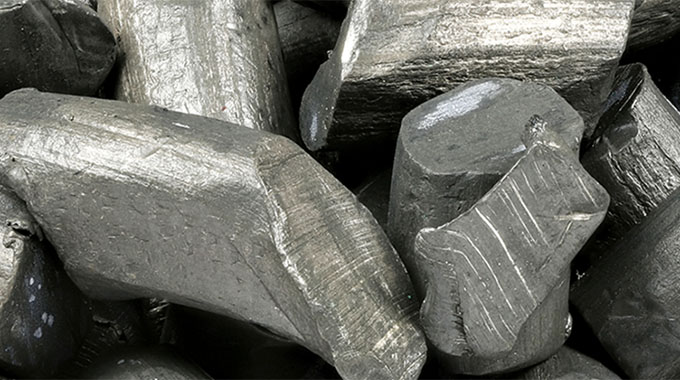
WHILE Zimbabwe is a major producer of lithium as a mining nation, the best value addition at present is concentrated ore.
While this is more valuable than just basic ore, it is simply the first stage in the production process for those industries using lithium and needs a lot of additional processing before being used in manufacturing processes.
No one, outside a few highly specialised concerns producing small quantities for schools and universities and other research needs, purifies lithium to the metal stage.
Lithium is an exceptionally reactive metal that burns in the presence of water or even high humidity, and oxidises extremely rapidly in a very dry environment.
Lithium metal samples have to be kept under oil, which is limiting.
However, the lithium industry has set up its manufacturing operations to use lithium salts, which tend to be very stable, easy to transport and can be moved from factory gate to the final processing stages where they are used for batteries, glass additives and other industrial uses, including some medical products.
The world commodity markets also trade in the most common lithium salts, so they are the business end of the mining processes as well as the desired final raw material for the manufacturers.
Zimbabwe’s mineral policy is that maximum beneficiation should take place inside the country before export and tax structures have been amended so there are extra advantages for miners to go to the final stages.
Generally mining companies are given time to make the extra processing investment, and so long as progress is reported extra time is given.
Besides the need to mobilise investments for processing, miners also need to have adequate volumes so that processing is efficient.
For some minerals, and it looks as if lithium might be one of these, companies can combine resources at the processing stage, or a major investor can do contract processing or can buy up the concentrated ores.
There are many advantages to the miner when processing through all stages is done locally. Besides the better tax position, transport costs drop dramatically, and these are important when you are mining in a landlocked country near the bottom end of a continent.
Processed mineral prices also tend to be far more stable than the wild swings seen for ores, so both Zimbabwe as a country relying on mining for a large chunk of gross national product and export earnings, and the miner themselves, win.
While lithium has been mined in Bikita District for many decades in what was a small-scale operation until recently, the main boom in lithium mining dates back to the finding and corroboration of lithium ores in Goromonzi District and the opening of the Arcadia Lithium Mine operated by Prospect Lithium Zimbabwe.
The successes there encouraged others to invest in Zimbabwe and develop other deposits that geologists were finding.
Now Prospect at Arcadia, having pioneered modern lithium mining, having worked how to increase value through ore concentrates, is moving to the final stage of modern processing by investing US$400 million for building a lithium sulphate plant, the first in the whole of Africa.
This should open next year, with the creation of around 1 000 new jobs.
Those jobs are in Zimbabwe, not some other country, and have been an extra reason, beyond the mere financial, why Zimbabwe has insisted upon as much local processing as possible.
When we talk about adding value to a processed mineral, a lot of that extra value is in fact the cost of the skilled manpower applying the best technologies.
So we keep winning.
The new plant still needs the concentrated ore for processing in the three lines, the first going live in January next year and the other two in April.
The plant, using 500 000 tonnes of concentrate a year as feedstock, will process this down to around 80 000 tonnes of lithium sulphate.
The processes usually manage to convert more than 85 percent of the lithium in the ores to the salt.
The lithium sulphate processing plant also relies on Zimbabwe building up a chemical industry, since a lot of sulphuric acid is needed.
As we are seeing in our fertiliser industries, the growing range of chemicals we need at industrial level is expanding and the output of one industry is often the entry point for the next, so cutting total costs when we go for an integrated heavy industrial base.
Modern lithium factories these days tend to look at lithium hydroxide rather than the older lithium carbonate, but lithium sulphate converts very quickly to the hydroxide salt in simple processes.
It is also far more stable and easier to transport, so most of those wanting the hydroxide in the final vats prefer to have the sulphate coming in the factory gate, and this is what Prospect is working on.
There are additional uses for the sulphate salt, since it has been found when added to cement to speed up drying times without losing strength and there are the traditional uses in glass manufacture and in a major psychiatric medicine.
In other words Prospect will be better able to cope with any fluctuations in demand in any particular area, although the increasing use of stored electric power, especially stored solar, should keep the market growing.
Now that solar stations are cheaper to set up than coal thermal stations, this demand will be governed by markets, rather than subsidies, and that will firm up the markets further.
Zimbabwe’s longer term ambition is to start making electric batteries that power stations and the conversion of the world’s car fleet to electricity are going to need.
Having the correct lithium sulphate final raw material on tap inside the country will make that stage easier to fund. It is a bit like having the pig iron next to the steel mills.



