Online Reporter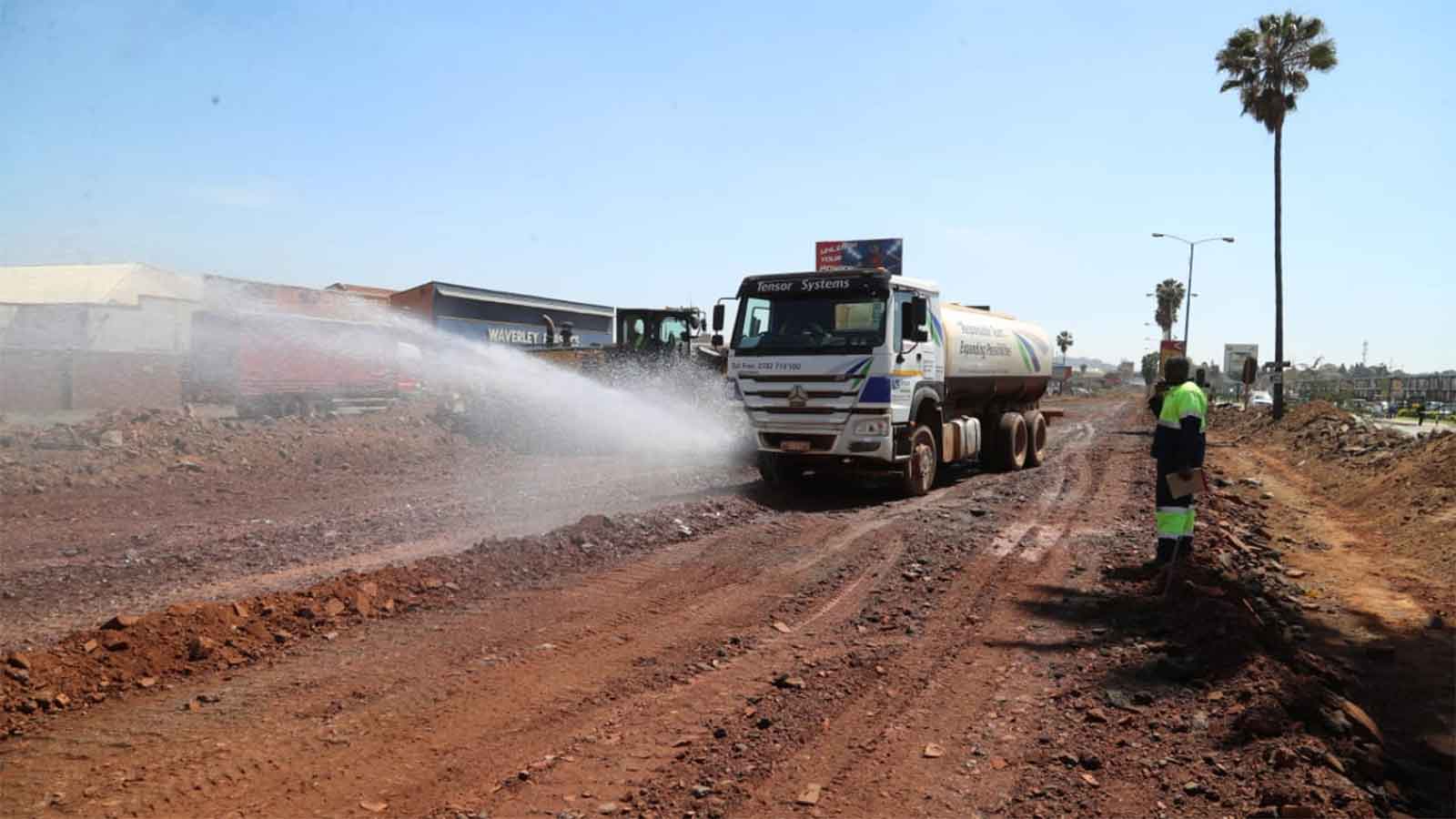
THE landscape of Harare is undergoing a seismic shift.
For years, the capital’s road network has been synonymous with congestion, potholes and frustrating delays that stifled productivity and tested the patience of commuters.
Today, however, a coordinated and aggressive infrastructural overhaul is rewriting that narrative.
Under the Second Republic, we are currently witnessing a fundamental re-engineering of the city’s arteries, designed to profoundly alter the outlook of the capital while materially improving the ease of doing business.
The transformation is visible across the city. From the bustling eastern corridor to the southern entry points, the Government is rolling out a master plan that prioritises connectivity and efficiency.
As outlined by Engineer Virginia Mawere, deputy director for construction and maintenance in the Ministry of Transport and Infrastructural Development, in an interview last week, this is a “coordinated approach” aimed at separating traffic at key nodes to eliminate the conflict points that have long plagued motorists.
This is a holistic reimagining of Harare as a modern metropolis.
At the heart of this revolution is the enhancement of the Beira Corridor.
As Zimbabwe positions itself as a logistics hub for the region, the efficiency of this trade route is paramount.
The burgeoning activity at the Port of Beira, driven by growing trade volumes, necessitates seamless connectivity from the coast to the capital and beyond.
The Government’s commendable progress on the Christmas Pass bypass road and the near-completion of the Mabvuku Interchange are critical cogs in this machine. These projects are not just about local traffic; they are about ensuring that cargo trucks transiting to and from the port can move with speed and predictability, thereby boosting the competitiveness of Zimbabwean industry.
The tangible benefits of this strategy are perhaps most evident in the ongoing works on the Harare-Masvingo-Beitbridge road. This critical artery, which connects the capital to South Africa, is nearing the completion of its major works.
The urban section of this project, running through Simon Mazorodze Road, has already seen significant activity.
The scope of works here is comprehensive: Approximately five kilometres of roadworks are underway, alongside the upgrading of major intersections at Remembrance Drive and Willowvale Road.
Crucially, the rehabilitation of the existing Simon Mazorodze flyover will restore a key piece of infrastructure to full functionality. These interventions are set to eliminate congestion at some of the most notorious intersections in the capital.
By separating traffic, the Government aims to reduce travel times, a move that will have an immediate impact on the working public and the business community. Time spent idling in traffic is lost productivity and increased operational costs.
The new interchanges at Willowvale and Remembrance Drive, along with the rehabilitation of the flyover, will create a free-flowing corridor that facilitates the movement of goods and people, proving that the Government is serious about addressing the bottlenecks that have historically hampered commerce.
This infrastructure drive extends beyond the capital’s immediate needs.
It is a cornerstone of the broader national strategy to achieve Zimbabwe’s lofty and ambitious goals of becoming a regional logistics hub.
The integration of projects like the Harare-Chirundu road and the Bulawayo-Victoria Falls road, including the rehabilitation of the Forbes and Chirundu border posts, demonstrates a clear understanding of the interconnectedness of trade.
All told, these projects are part of a grander plan to facilitate the ease of travel along the North-South Corridor and the Beira Corridor, ensuring that Zimbabwe reclaims its position as the gateway to Southern Africa. It also changes Zimbabwe from a landlocked to a land-linked country. What makes this infrastructural renaissance particularly remarkable is the context in which it is occurring.
For a country that has been shut out of international capital markets for nearly three decades, the ability to fund and execute projects of this magnitude is a testament to the Second Republic’s fiscal ingenuity and determination.
It shows how the economy, under President Mnangagwa’s leadership, has defied the odds, finding innovative ways to mobilise resources and prioritise development.
The Government has taken lessons learned from previous projects, such as the Trabablas Interchange, and applied them to a wider network, ensuring that the benefits of modern infrastructure are felt across the city.
The aesthetic and functional upgrades — from the new asphalt surface dressings on Delport Road to the future Kuwadzana Roundabout interchange — are reshaping Harare into a capital befitting its status.
The reduction in travel times, improvement in road safety and enhanced accessibility to special economic zones like Sunway City are all indicators of a city on the rise. The road to a fully modernised Harare is still under construction, but the direction of travel is unmistakable.
The dust and detours are temporary; the benefits — a more connected, efficient and prosperous capital — will be permanent.
This is a bold statement of intent from a Government that is literally paving the way for Zimbabwe’s economic resurgence.
The message to investors and the travelling public is clear: Zimbabwe is open for business, and the roads leading to its heart are being built to last.