admin
admin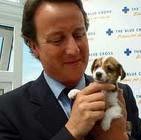
BRITAIN’S May 7 elections have come and gone. Champagne bottles are popping among the winners, while the losers did the best expected in an old democracy: concede defeat and resign from their lofty positions with dignity.
The biggest surprise in an election where even the reputable opinion polling industry was off the mark was that the majority of British voters still have confidence in Prime Minister David Cameron. They gave him and his Conservative (Tory) party another five-year term in office. This will be the first time since 1992 when the Tories have to govern as a single majority, unlike the just-ended government where they had to have a government of national unity.
According to one report, “The scale of Cameron’s victory surpassed even his party’s most optimistic projections.” For former Deputy Prime Minister Nick Clegg, it was too close, but yet so far away.
We have equivalents in Zimbabwe where the inclusive Government gave former Prime Minister Mr Morgan Tsvangirai of the Movement for Democratic Change a sense of having arrived, but instead his party was whitewashed by Zanu-PF in the 2013 harmonised elections.
We congratulate Prime Minister Cameron for fighting a good fight up to the very end, and also congratulate those who wrestled with him in one of Britain’s most unpredictable elections in decades.
He has not wasted time in appointing cabinet ministers of key portfolios: finance, home affairs and foreign policy. Retaining former ministers in those posts means that he has confidence in their abilities, and wants continuity of his policies.
We also congratulate Labour leader Ed Miliband; Nick Clegg, leader of the Liberal Democrats; Nigel Farage, leader of the United Kingdom Independent Party (Ukip) for conceding defeat and resigning as their parties’ leaders.
Notwithstanding, the British election has once again opened an old wound.
All democracies want to operate under best practices principles, but the most amazing thing is that when the West holds their elections, other countries never impose their will – wanting to be observing their elections.
Precious time is wasted as developed countries use the little resources they have to tell the West that as sovereign nations, they are capable of running credible, free and fair elections without being refereed by them.
The UK electoral system is highly automated. In all fairness, election results would have been collated and announced on Thursday evening. But that was not the case. This is an issue they have to reflect on, especially when they want election results from countries that face a myriad of challenges to be announced hours after people have cast their ballots.
One of the reasons why the British election was of major interest was the pre-election information released by the opinion pollsters. Why were they off the mark, displaying shoddy professionalism? Reuters news agency was not the only one to castigate them when they said: “One other loser is the opinion polling industry which is likely to face an inquest over its failure to predict the outcome. Before the election, virtually all opinion polls had shown the Conservatives and Labour neck-and-neck.” And on Thursday evening, that was the situation, until the Tories emerged victorious and the rest had to call it quits.
But they did so after giving some of our local politicians important lessons: you don’t negate the national interest just because you have lost an election. Cameron, Clegg and Miliband appeared side-by-side for the last time at the World War II 70th Victory Day commemorations yesterday.
But the major indictment in the British election is its media, a media industry that sees the wrongs done by the public media in Zimbabwe especially when they choose to support the ruling party of the day. They have been left with egg on their face.
This was not the first time that the British media set the national agenda, but this time, their actions were brutish. No wonder why even the opinion pollsters were also confused.
The Guardian newspaper remarked: “And even though the vitriol in Britain’s Press is always quite high, the unpredictability of the 2015 election seems to have brought out an even harsher and more polarised tone.”
The British media has accused the Zimbabwean media of polarising the political landscape. But, they are doing the same and unashamedly also.
The Daily Mirror of May 6 had a lead story, “Major fall” and this was in reference to Cameron. Rupert Murdoch’s The Sun, which has supported the Conservatives since 1992, this time switched allegiance to the Labour Party. However, most of the major papers were for the Conservative party. On May 6, the Times led with “Miliband trying to con way into No. 1, says PM”.
The Daily Telegraph had, “Don’t fall for SNPs (Scottish National Party) make believe,” while the Daily Mail warned that Miliband was “a class-war zealot who would team up with the SNP to destroy Britain”. This is a learning curve for everyone, because every election is different, and the difference is even wider when it involves different sovereign states.


 Online Reporter