Online Reporter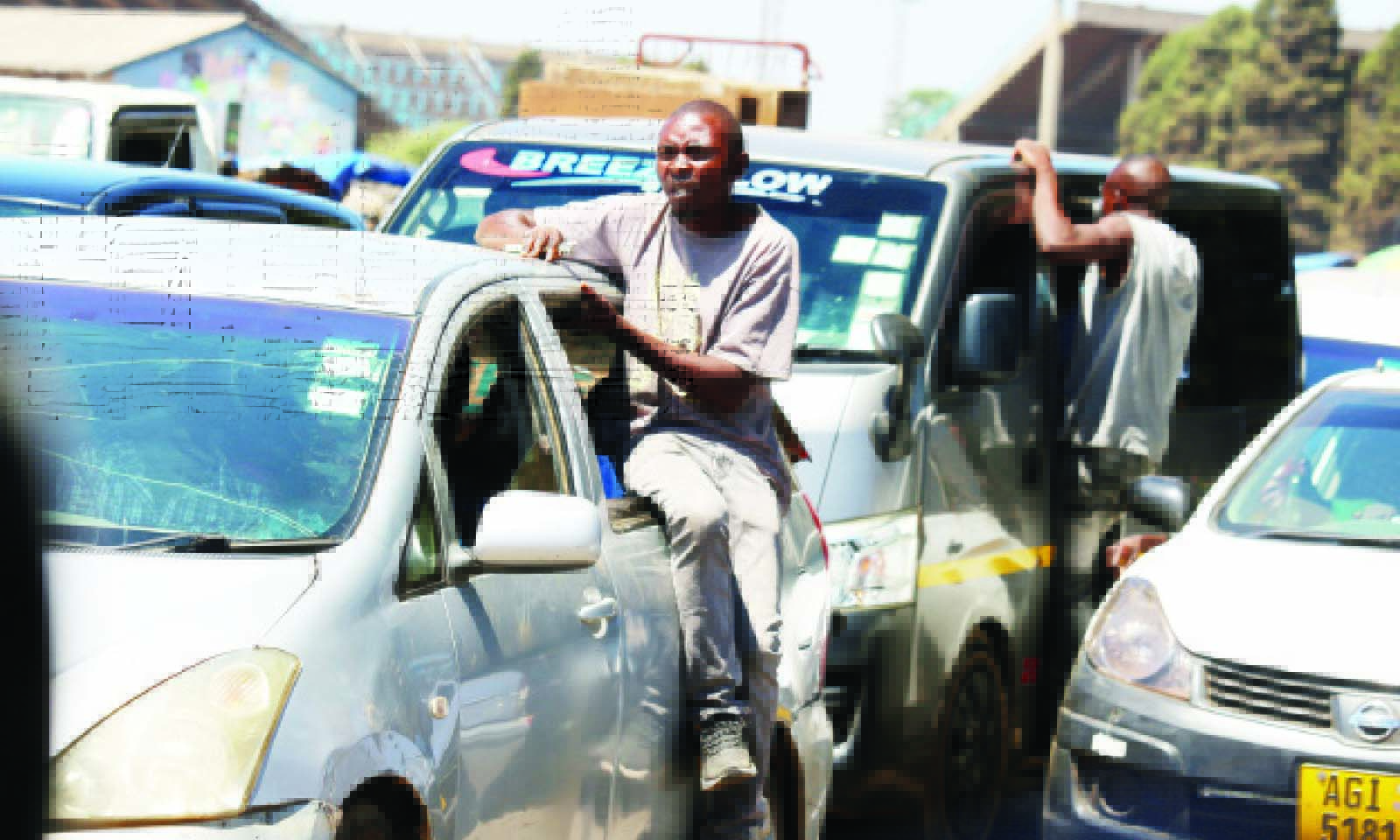
ON Wednesday, there was a tragic accident which showed that Harare’s streets have become unwilling arenas for a dangerous game of cat and mouse.
On one side are Harare City Council traffic police; on the other, kombi and mushikashika drivers desperate to avoid fines, impoundment, or arrest.
Caught in between − and too often paying the ultimate price − are pedestrians who simply want to cross the road, carry out their businesses, get to work, or return home safely.
As we report elsewhere in today’s edition, the tragic deaths and injuries that have resulted from these high-speed chases are not accidents; they are the predictable outcome of a flawed approach to traffic control that prioritises confrontation over safety.
Kombis are the lifeblood of Harare’s public transport system while mushikashika vehicles are growing by each passing day on the streets, competing for commuters with the traditional transporters.
They ferry thousands daily in a city that lacks reliable, affordable alternatives. Yet the sector is riddled with violations − overloading, reckless driving, illegal pick-up points, and disregard for traffic rules.
City traffic police are right to enforce the law. What is indefensible, however, is the method. Chasing speeding kombis through crowded streets, markets, and intersections transforms enforcement into a public hazard.
When a kombi swerves to evade arrest, it is not the driver alone who assumes the risk; it is the pedestrian on the pavement, the vendor at a stall, the commuter stepping off a bus.
Enforcement driven by ambushes and pursuits creates perverse incentives because drivers panic, accelerate, and take reckless chances. Officers, under pressure to “deliver results,” escalate rather than de-escalate. The result is chaos.
Accountability then dissolves into finger-pointing after lives are lost. A city that truly values life would never accept a system where law enforcement tactics themselves become a leading cause of death.
There is also a credibility problem. When traffic policing is seen as predatory or arbitrary, compliance collapses. Drivers come to view officers as adversaries rather than guardians of safety.
Harare must end high-speed pursuits in densely populated areas. This should be a clear, enforceable policy with consequences for violations. Traffic enforcement should be intelligence-led, not adrenaline-led. Number plate recognition, fixed and mobile cameras, and coordinated checkpoints away from pedestrian-heavy zones can identify and penalise offenders without putting lives at risk.
The city should reform how kombi violations are handled. Graduated penalties − points systems, escalating fines, and temporary suspensions − can deter repeat offenders more effectively than dramatic chases. Vehicle impoundment should be conducted through planned operations at ranks and termini, not on open roads during peak hours.
Finally, public education is essential. Drivers, pedestrians, and officers alike must be reminded that roads are shared spaces. Safety campaigns, community engagement, and clear communication about enforcement priorities can change norms over time.
Harare does not have to choose between enforcing the law and protecting life.
It can − and must − do both. Ending deadly chases is not leniency; it is leadership. A city is judged by how it treats its most vulnerable. When pedestrians can walk without fear of being crushed by a fleeing kombi or a pursuing officer, Harare will have taken a decisive step toward becoming a safer, more humane city.