Online Reporter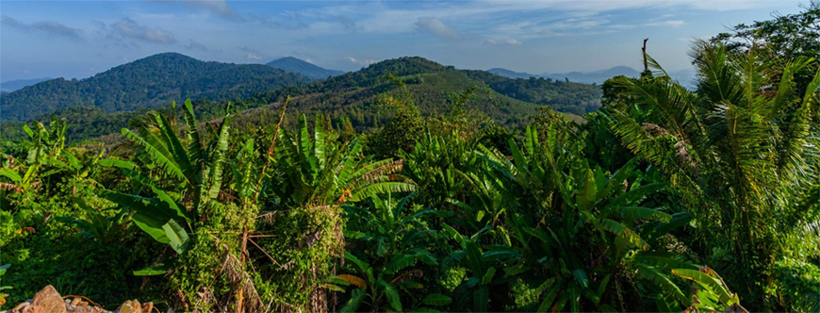
TRANSFORMING farming areas such as Burma Valley and Honde Valley into greenbelts and export processing zones is not merely a matter of agricultural modernisation; it is a strategic imperative for the economic future of Manicaland and Zimbabwe as a whole.
These valleys, blessed with fertile soils, favourable climatic conditions, and a long tradition of farming, represent untapped potential that could be harnessed to drive both local prosperity and national growth.
The idea of greenbelts and Export Processing Zones (EPZs) is not new globally, but its application in the Zimbabwean context could be transformative, especially in regions like Manicaland where agriculture remains the backbone of livelihoods.
A greenbelt, in essence, is more than just a stretch of cultivated land. It is a carefully managed agricultural and ecological zone that balances farming with environmental sustainability.
In Burma Valley and Honde Valley, the establishment of greenbelts will ensure that farming activities are, not only intensified, but also protected against the threats of land degradation, deforestation, and climate change.
By promoting sustainable practices such as agroforestry, conservation agriculture, and organic farming, these valleys could become models of resilience.
Farmers will benefit from improved yields, healthier soils, and diversified crops, while the environment will gain from reduced erosion and enhanced biodiversity.
In a country where climate shocks frequently undermine agricultural productivity, the greenbelt approach offers a buffer that secures both food security and ecological integrity.
Yet the vision should not stop at sustainability alone. The creation of export processing zones within these greenbelts will elevate the valleys from being mere producers of raw commodities to hubs of value addition and international trade.
EPZs are designed to attract investment, streamline production, and facilitate exports by offering incentives such as tax breaks, infrastructure support, and simplified regulations.
For Burma Valley and Honde Valley, this will mean the establishment of agro-processing plants that turn raw produce — tea, coffee, bananas, avocados, macadamia nuts, and other horticultural products — into finished goods ready for global markets.
Instead of exporting unprocessed crops at low prices, Zimbabwe can export packaged teas, roasted coffees, dried fruits, and nut oils, commanding higher revenues and creating jobs along the value chain.
The benefits to local farmers will be immediate and profound. With EPZs in place, farmers will have guaranteed markets for their produce, reducing the uncertainty that often comes with fluctuating commodity prices. They will also gain access to modern technologies, training, and infrastructure such as cold storage facilities, irrigation systems, and transport networks.
This integration into a structured export-oriented system will empower smallholder farmers, who form the majority in these valleys, to participate meaningfully in global trade.
Moreover, the multiplier effects will ripple through the local economy: employment opportunities in processing plants, logistics, and ancillary services would uplift communities, while increased incomes would stimulate demand for goods and services in Manicaland.
From a national perspective, the transformation of Burma Valley and Honde Valley into greenbelts and EPZs will contribute significantly to GDP growth. Agriculture already plays a central role in Zimbabwe’s economy, but its potential is constrained by underinvestment in value addition and export infrastructure.
By positioning Manicaland as a hub of agro-industrial activity, the country can diversify its export base, reduce reliance on mining, and stabilise foreign currency earnings.
The export of high-value agricultural products will, not only boost GDP, but also strengthen Zimbabwe’s balance of payments, enhance food security, and improve rural livelihoods.
In addition, the establishment of EPZs will attract foreign direct investment, as international companies seek to tap into the fertile lands and skilled labour of the region. This inflow of capital will further stimulate growth, innovation, and competitiveness.
Critically, the success of such a transformation hinges on policy support and strategic planning.
Government must provide enabling frameworks that encourage investment while safeguarding the interests of local farmers.
Infrastructure development—roads, electricity, water supply—must be prioritised to ensure that the valleys are accessible and functional as industrial hubs.
Equally important is the need for inclusive governance: farmers, local communities, and stakeholders must be involved in decision-making to ensure that benefits are equitably shared. Without such inclusivity, the risk of marginalisation or exploitation could undermine the noble vision of greenbelts and EPZs.
Burma Valley and Honde Valley stand at the crossroads of opportunity. By turning them into greenbelts and export processing zones, Zimbabwe can unlock a new era of agricultural prosperity that benefits local farmers, strengthens Manicaland’s economy, and contributes to national GDP growth.
This transformation will, not only modernise farming, but also embed sustainability, value addition, and global competitiveness into the heart of Zimbabwe’s agricultural sector.
It is a vision that requires bold leadership, strategic investment, and collective commitment, but the rewards—economic resilience, rural empowerment, and national progress—are well worth the effort.