Online Reporter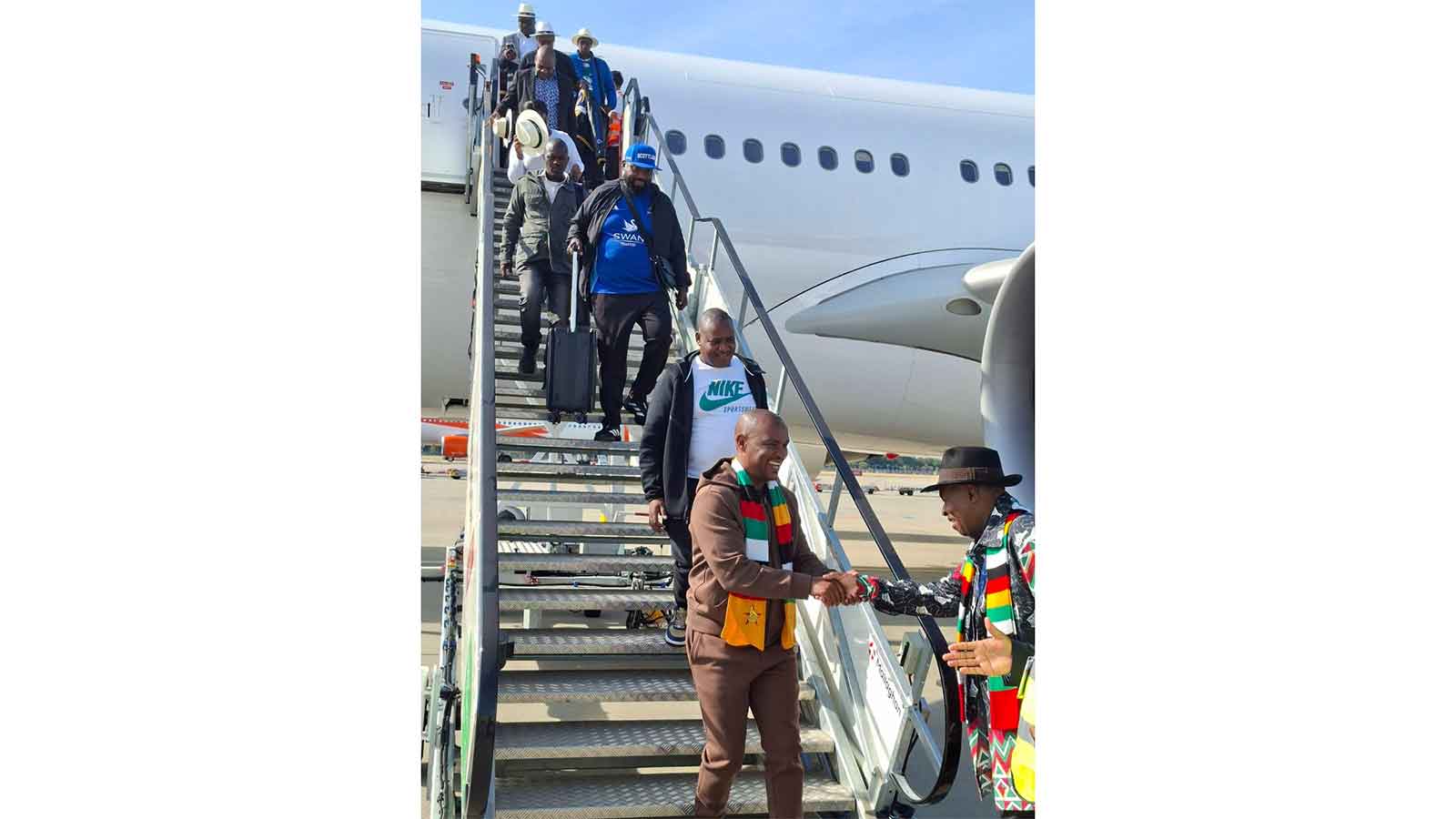
WHEN Air Zimbabwe’s Airbus A330-300 lifted off from Harare on Wednesday, bound for the London Gatwick Airport, it did more than resume a flight route — it offered the most tangible evidence yet that the 15-year chill in diplomatic relations between Zimbabwe and the United Kingdom is genuinely thawing.
The inaugural flights secured 1 479 passengers and more than 30 tonnes of cargo.
The aircraft carried not only passengers and cargo, but also the fruits of the Second Republic’s “engagement and re-engagement” foreign policy, now moving from a blueprint to reality.
This milestone signals that economic diplomacy — the core of Zimbabwe’s foreign policy strategy — is delivering concrete results.
And the horticulture sector, as the first to benefit, is eagerly awaiting its long overdue spring.
The resumption of direct flights means far more than convenience for horticultural exporters.
Zimbabwe was once one of Africa’s leading exporters of fresh produce.In fact, between 1999 and 2000, an average of 146 tonnes of horticultural goods were airfreighted to the United Kingdom every week.
At that time, farmers could harvest and pack in the afternoon, load onto an evening flight and have produce on British supermarket shelves the next morning — speed meant freshness, freshness meant price and price meant competitiveness.
When the direct link was severed, exporters were forced to route cargo through regional hubs, subjecting consignments to multiple handling points, broken cold chains and rising spoilage rates. Zimbabwean produce steadily lost ground to rivals from Egypt, Kenya and Peru.
Now, with flight times cut to under 24 hours and cold chains preserved end to end, shelf life extends and exporters can command better prices in the UK market.
For high value crops such as blueberries, citrus, avocados and peas, this is a decisive upgrade in competitiveness.
The return of direct flights is not an isolated event; it is part of a broader rapprochement between Zimbabwe and the UK.
The UK’s development finance institution, British International Investment, has re-entered the Zimbabwean market, recently investing again in NMB Bank to improve financing channels for the horticulture industry. The Private Infrastructure Development Group and AgDevCo are also finalising cooperation agreements in solar energy and agriculture.
A British buyers’ delegation recently visited Zimbabwe to engage with horticultural producers, and the establishment of a “SheTrades” centre further empowers women-led enterprises.
These practical collaborations demonstrate that diplomatic detente is genuinely translating into trade and investment dividends.
This success story is part of a continuum of milestones registered on the diplomatic front since the advent of the Second Republic.
Take the United Arab Emirates (UAE): Zimbabwe UAE trade surpassed US$5 billion in 2025, with US$6 billion projected for 2026.
The UAE now accounts for 50 percent of Zimbabwe’s export earnings, firmly holding the top spot as an export destination.
Zimbabwe’s trade surplus with the UAE surged 85 percent last year to US$4,5 billion.
Ongoing investment negotiations span mining, renewable energy, manufacturing and agriculture, with individual projects ranging from US$10 million to US$200 million.
From duty-free, quota-free market access to the UK, to a more than 300 percent five-year jump in trade with the UAE, Zimbabwe’s “friend to all” economic diplomacy is bearing abundant fruit.
Diplomatic breakthroughs, in turn, are powering domestic economic growth.
Zimbabwe’s economy has expanded continuously since 2021, recording 8,5 percent growth last year. Despite geopolitical tensions and global trade uncertainty, Finance, Economic Development and Investment Promotion Minister Professor Mthuli Ncube is expected to upwardly revise this year’s growth forecast during the mid-term budget and economic review, especially after strong first quarter performance across agriculture, mining, manufacturing and services — all while inflation and exchange rates remain relatively stable.
These figures affirm a simple but profound truth: The deeper a nation integrates into the global economic system, the more resilient and dynamic its economy becomes.
The resumption of direct flights, the revitalisation of horticulture, the warming of UK ties, the trade surge with the UAE and robust economic growth — these interlocking achievements together outline the full logic of the Second Republic’s “engagement and re engagement” diplomatic strategy: Use economic diplomacy to break diplomatic isolation, use practical cooperation to secure market access, use trade and investment to fuel domestic growth and steadily advance towards Vision 2030.
The air route between Harare and London is not just a corridor in the sky; it is a symbol of Zimbabwe opening to the world — and the world embracing Zimbabwe.
The more Zimbabwe deepens its partnerships across the region, the continent and beyond, the more sustainable its economic momentum will be, and the closer the realisation of Vision 2030 will become.