Online Reporter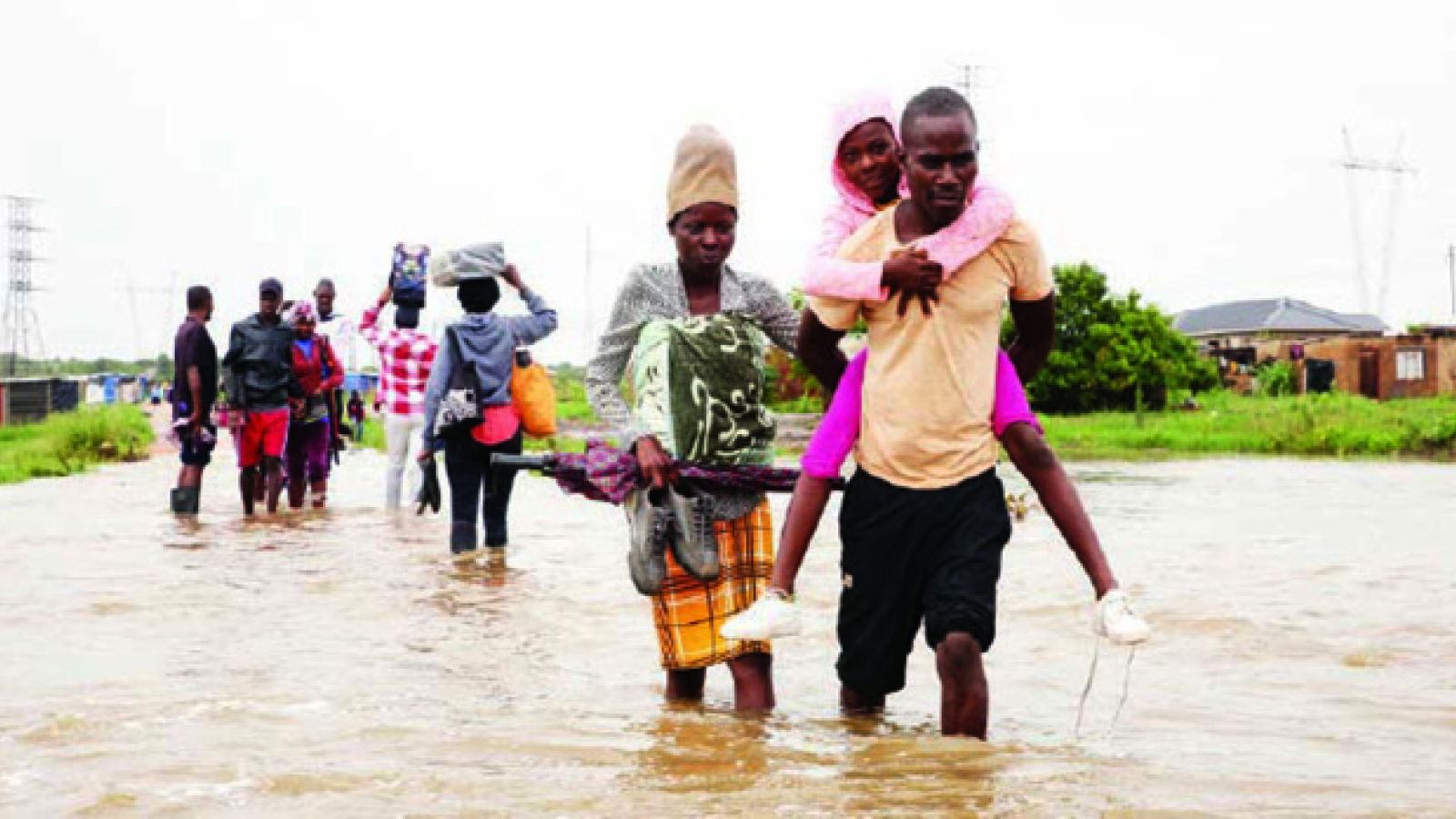
THE rains that have continued to pound Manicaland in recent weeks have once again exposed the vulnerability of communities in the province to climate-induced disasters.
Reports that several households have been affected and that some lives have already been lost are sobering reminders of the urgent need to prioritise residents’ safety above all else.
These figures are not just statistics; they represent families torn apart, livelihoods destroyed, and communities left in grief and uncertainty.
As the downpours persist, the responsibility to protect lives and minimise further suffering must be treated as a matter of national urgency.
Manicaland is no stranger to the devastating effects of heavy rains. The province still bears scars from Cyclone Idai in 2019, which left thousands displaced and claimed hundreds of lives.
The current situation, though not identical, carries echoes of that tragedy. The terrain of Manicaland, with its mountainous landscapes and river valleys, makes it particularly prone to flooding, landslides, and infrastructural damage when rains intensify.
This geographical reality means that every season of heavy rainfall poses a serious threat to residents, especially those living in vulnerable areas.
The loss of some lives so far is a painful reminder that preparedness and safety measures must never be treated as optional or secondary.
Ensuring safety in such circumstances is not merely about responding to disaster after it strikes; it is about anticipating risks and acting decisively to prevent further loss of life. Evacuation of residents from high-risk zones must be prioritised, even if it means temporary displacement. The provision of safe shelters, stocked with food, clean water, and medical supplies, is essential to protect those who have already lost their homes.
Rescue and relief teams must be adequately resourced and deployed to reach affected households quickly, especially in remote areas where access is often cut off by damaged roads and bridges.
The rains may be relentless, but human action can mitigate their impact if guided by foresight and compassion. The need for safety also extends beyond immediate rescue operations. Heavy rains often trigger secondary crises such as outbreaks of waterborne diseases, food insecurity, and psychological trauma among survivors.
Addressing these requires a holistic approach that combines emergency response with long-term resilience building. Medical teams must be mobilised to provide healthcare in affected communities, while psychosocial support should be offered to families grappling with grief and displacement.
At the same time, efforts to restore damaged infrastructure must be accelerated to ensure that aid can reach those in need and that communities can begin to rebuild their lives. The tragedy unfolding in Manicaland also underscores the broader challenge of climate change.
This reality demands that disaster preparedness be integrated into national development planning.
Building resilient infrastructure, enforcing proper land-use practices, and investing in early warning systems are not luxuries—they are necessities. Communities must be educated and empowered to respond to disasters, with local leaders playing a central role in disseminating information and coordinating evacuation efforts. The rains will not stop, but their impact can be reduced if safety is placed at the heart of policy and practice.
It is also important to recognise that safeguarding residents is not the responsibility of Government alone. Civil society organisations, churches, private sector actors, and international partners all have roles to play in ensuring that vulnerable communities are protected. Collective responsibility is key.
When disaster strikes, solidarity becomes the most powerful tool for survival and recovery. The people of Manicaland need, not only immediate relief, but also the assurance that their safety is valued and prioritised by all stakeholders.
The current situation is a test of our collective resolve. The several deaths already recorded must serve as a wake-up call that complacency is dangerous. Every life lost is a reminder that preparedness saves lives, and every household displaced is a call to action. As the rains continue, we cannot afford to wait for further tragedy before acting decisively. Safety must be the guiding principle in every decision, from evacuation plans to infrastructure repair, from healthcare provision to community mobilisation. In the end, the rains in Manicaland are not just a provincial issue—they are a national concern. Protecting residents is about more than survival; it is about preserving dignity, stability, and hope in the face of adversity.
The time to act is now, with urgency, compassion, and unwavering commitment to the safety of every resident.