Online Reporter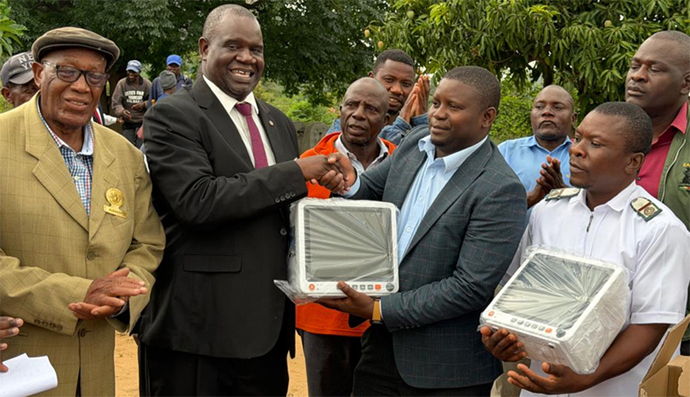
Post Reporter
THE Angel of Hope Foundation donated essential health equipment and assistive devices to Rukweza Clinic in Makoni South Constituency – a vital intervention that advances the National Development Strategy (NDS2) and Vision 2030 health targets and goals.
Under NDS2, the nation seeks to increase rural health‑facility coverage, reduce maternal and child mortality, and ensure universal access to primary care. Strengthening rural clinics with modern tools accelerates these outcomes, bridging service gaps, improving early diagnosis, and building resilient communities — key steps toward a prosperous, healthy society by 2030.
The equipment includes two of the latest multi‑purpose health‑monitoring machines – devices that track several vital signs such as heart rate, blood pressure, oxygen saturation (SpO₂), temperature and respiration, providing comprehensive health data for both clinical and home use and helping manage chronic conditions, post‑operative recovery and general wellness through continuous or periodic tracking.
The donated package also comprised five maternity beds, 10 wheelchairs, 1000×10 kg bags of rice and several walking sticks – which were distributed to community members with mobility challenges. The donation was made through Makoni South legislator, Honourable Albert Nyakuedzwa, who handed it over this afternoon.
Honourable Nyakuedzwa said he visited the Makoni Rural District Council clinic in December 2025, at which time it had no blood‑pressure machines and no beds for the maternity wing, and approached the First Lady, Dr Auxillia Mnangagwa for help.
“We need to thank Angel of Hope for this kind donation. We must pray for the First Lady and the partners of Angel of Hope for this kind of gesture to our community. They have donated five maternity beds, 10 wheelchairs, blood‑pressure checking machines, 1 000×10kg of rice for the vulnerable, as well as walking sticks for the elderly,” he said.
Makoni South has 14 functional clinics, and six more are being built, in partnership with the Air Force of Zimbabwe, the Zimbabwe Prisons and Correctional Services, Makoni Rural District Council and other stakeholders, to help reduce the walking distance to five kilometres.
“We have some disabled members in the constituency, and our updated register indicates that there are 300 of them. Today we are distributing ten wheelchairs from the First Lady to some of them. We donated another five in December 2025, and we will continue to source these assistive devices until each of the 300 disabled people has a wheelchair,” he said.
Honourable Nyakuedzwa called for unity among all stakeholders to improve community development, adding that bicycles will soon be distributed to village health workers and village heads to enhance their mobility in community service.
Makoni District Medical Officer (DMO), Dr Tendai Nyafesa hailed the donation to Rukweza Clinic, saying it would improve health outcomes.
Dr Nyafesa said under NDS 2, the Ministry of Health and Child Care is expected to strengthen primary‑health‑care systems, expand service coverage to remote areas, and reduce maternal and child mortality by at least 30 percent by 2030.
He said the strategy also calls for the procurement of essential equipment, increased staffing, and community‑based health education to empower residents.
“By equipping Rukweza Clinic with these latest multi‑purpose health‑monitoring machines, maternity beds and assistive devices, the clinic can now offer timely diagnostics, safer deliveries and better chronic‑disease management. Such upgrades directly support NDS 2 targets, bridging gaps between urban and rural health services and laying a solid foundation for achieving Vision 2030 goal of a healthy, prosperous nation for all citizens,” said Dr Nyafesa.
He added that the new equipment will enable early detection of hypertension, reduce complications during childbirth and improve mobility for disabled patients, thereby enhancing overall service quality.
Dr Nyafesa also emphasised that sustained community support and regular maintenance are essential to preserve these gains and meet NDS 2 health targets.
Mr Luke Mukurachaza, whose 26‑year‑old son is disabled, thanked Dr Auxillia Mnangagwa for the gesture, noting that the donation of a wheelchair would greatly improve his son’s mobility and independence.
He expressed gratitude to Dr Mnangagwa for recognising the needs of vulnerable families in Makoni South, adding that such support restores dignity and hope, enabling young people with disabilities to participate more fully in community life and pursue education and employment opportunities.
He called on other stakeholders to emulate this compassionate initiative for lasting social impact.
“I used to carry him around, even to polling stations, using a wheelbarrow, but now, thanks to the First Lady’s donation of a wheelchair, he can move on his own and attend community events with dignity. This change has lifted a huge burden from our family and given us renewed hope for the future,” he said.