THE Meteorological Services Department’s warning is stark and unambiguous. From tomorrow, heavy rains, lightning and destructive winds are set to sweep across Zimbabwe.
For many, this brings a sigh of relief — our dams will fill, our fields will green. But for thousands of our fellow residents in places like Rangemore and Cowdray Park, the forecast is not of abundance, but of anxiety.
It is a forecast of flooded yards, of impassable roads, and of a glaring truth: when it comes to urban resilience, we have built two cities within Bulawayo.
The MSD’s advisory is a textbook model of public caution. It lists the dangers: flash floods, landslides, fallen trees, lethal lightning.
It prescribes the personal actions: mend rooftops, stay indoors, avoid trees.
This guidance is vital, but it reads like a first-aid manual for a patient bleeding from a deep, systemic wound.
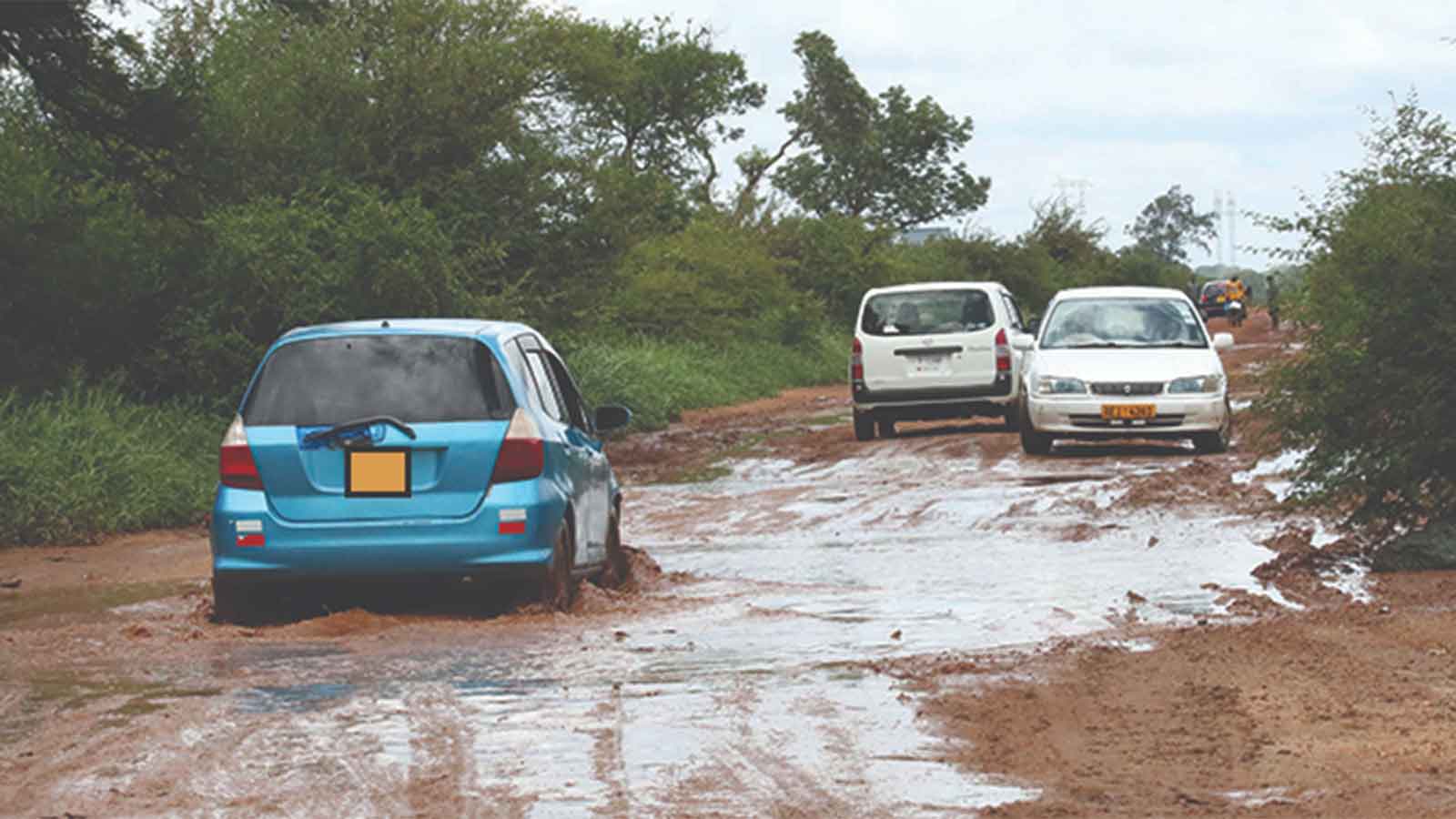
Telling a resident of Rangemore to “steer clear of flooded zones” is futile when their entire yard is the flooded zone, created by the absence of a basic stormwater drain.
The heart of the issue lies in the disjointed narrative of development. On one hand, we have a national weather agency capably predicting climatic events.
On the other, we have local governance structures caught in a web of handover delays, jurisdictional ambiguities, and crippling resource constraints.
As one councillor notes, roads in Rangemore remain in a limbo — unmaintained because they are not formally under council authority.
This administrative purgatory leaves residents walking kilometres in the mud, stranded by the very rains that should be a blessing.
This is not merely a rural district council problem. It is a metropolitan crisis.
Bulawayo’s expansion has pushed settlement into areas without the concomitant investment in foundational infrastructure.
The result is what we see: Cowdray Park homes, some nearly two decades old, now facing demolition to retroactively install the drainage that should have preceded habitation.
This is planning in reverse, and it extracts a heavy human and financial toll.
The season’s tragic tally — 74 lives lost and over US$100 000 in infrastructure damage nationally — is a sombre ledger of such failure.
The impending rains force us to ask urgent questions. Why does development consistently outpace drainage? When will the handover of roads and services from developers to councils be enforced as a non-negotiable precondition, not an afterthought?
And how can a city with over 2 400km of crumbling roads build a resilient future?
The MSD has done its job. It has sounded the alarm. The response now must be twofold.
First, an immediate, co-ordinated effort by disaster management units, local councils and community leaders to proactively assist the most vulnerable suburbs in the coming days.
This goes beyond issuing warnings; it means having plans for evacuation routes, temporary shelters, and swift clearance of debris.
Second, and most critically, we must use this rainy season as a catalyst for a hard conversation about integrated urban planning.
We need a binding pact between city planners, rural district councils and developers: no new settlement without certified, climate-resilient infrastructure.
Investment in our road network and drainage systems is not a municipal expense; it is a non-negotiable investment in public safety, economic productivity, and social equity.
The clouds gathering over Bulawayo carry water for our future.
But unless we fix the ground upon which it falls, we are doomed to see it not as a resource, but as a wrecking ball. Let this forecast be our final warning.
The storm is coming, and it will test not just our infrastructure, but our resolve to finally build one city for all.