Online Reporter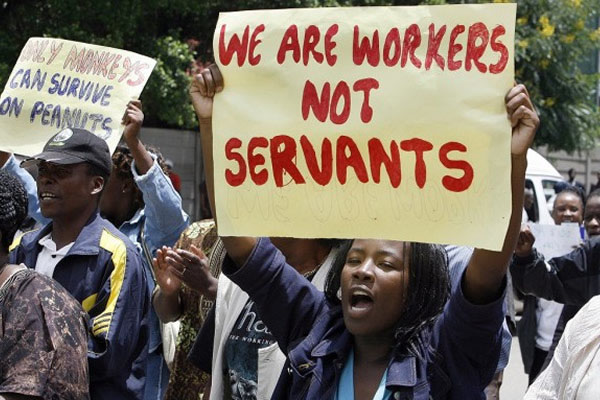
WORKERS’ Day, celebrated annually today (May 1) in many parts of the world, is far more than a symbolic holiday.
It is a day that calls for reflection, celebration, and renewed commitment to improve the lives of those who form the backbone of economies—the workforce.
The importance of commemorating Workers’ Day lies in its ability to highlight the central role of labour in national development. Every industry, from agriculture to technology, thrives because of the dedication and resilience of workers.
By setting aside a day to honour them, societies acknowledge that progress is not driven by machines or policies alone, but by human effort. Workers’ Day also serves as a platform to discuss ongoing challenges such as unsafe workplaces, wage stagnation, and mental health struggles.
It is both a celebration of achievements and a reminder of the work that remains to be done.
One of the most pressing issues tied to Workers’ Day is the need to ensure safe working environments. A healthy workforce cannot exist in unsafe conditions. Workplace safety is not just about preventing accidents; it is about creating an environment where employees feel secure, valued, and protected. Unsafe conditions lead to injuries, illnesses, and even fatalities, which not only devastate families but also weaken industries.
Conversely, when workers operate in safe environments, productivity rises, morale improves, and trust between employers and employees is strengthened. Government and the private sector must therefore invest in occupational health and safety standards, enforce regulations, and provide training that empowers workers to protect themselves and others.
Workers’ Day is a reminder that safety is not a privilege—it is a fundamental right.
Equally important is the recognition of mental health in the workplace. In today’s fast-paced world, stress has become one of the most significant challenges facing employees.
A stressful environment can erode mental health, leading to burnout, anxiety, and depression. These issues, not only harm individuals, but also reduce productivity and increase turnover rates.
Employers must understand that mental health is as crucial as physical health. Creating supportive policies—such as flexible work arrangements, counselling services, and reasonable workloads—can help reduce stress and foster resilience.
Workers’ Day should therefore be seen as an opportunity to recommit to building workplaces that are, not only physically safe, but also mentally supportive. A healthy workforce is one that is free from unnecessary psychological strain.
Another critical aspect of honouring workers is ensuring fair and regularly reviewed remuneration.
Wages must reflect, not only the value of labour, but also the realities of the cost of living. When salaries stagnate while living expenses rise, workers face financial insecurity, which in turn affects their health, productivity, and overall well-being.
The recent move by Government to adjust civil servants’ salaries in line with the rising cost of living is a commendable step.
Such actions demonstrate responsiveness to workers’ needs and reinforce the principle that labour should be rewarded fairly.
Ultimately, Workers’ Day is not just about speeches, parades, or symbolic gestures. It is about action. It is about ensuring that workers enjoy safe environments, fair pay, and mental well-being. It is about recognising that the prosperity of nations depends on the strength and health of their workforce. Employers must take this day as a reminder to evaluate their practices, Government must use it to strengthen labour laws, and workers themselves must see it as a moment of solidarity and empowerment.
The true spirit of Workers’ Day lies in its ability to inspire change and to remind society that progress is only possible when workers thrive.
Ensuring a healthy workforce requires more than just preventing accidents—it demands attention to mental health, fair remuneration, and continuous improvement of working conditions.
Workers’ Day stands as a beacon reminding us that workers are not just employees—they are the lifeblood of economies and the architects of our collective future.