Online Reporter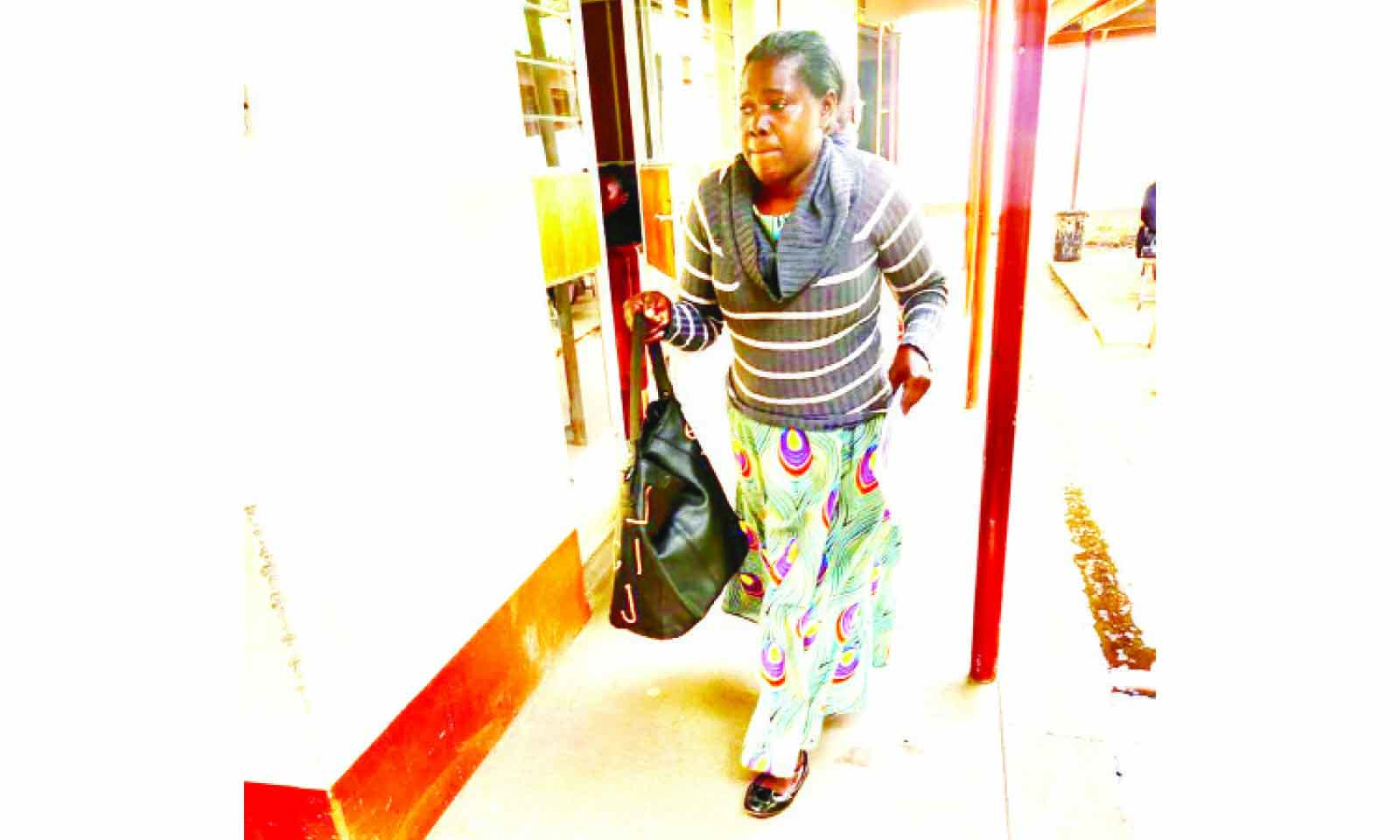
YESTERDAY we ran a sad story of a woman who has taken the unusual step of approaching the courts to try and find a solution to her son’s gambling obsession.
She claims his life is being wasted by his addiction to sports betting, which has taken this country by storm.
The case illustrates the challenges which many families are now having to deal with in this country as many people plunge into the dark spaces of gambling.
The industry lures its clients by promising huge returns but, for many of the players, it usually ends up in tears.
The industry generates millions of dollars every month and betting on football matches has now overtaken what is spent in betting on horses in this country.
Cathy Munaki dragged her son Tawanda to the Harare Civil Court where she said his obsession with gambling had left her being harassed by a number of people who lent him money to finance his gambling obsession.
Munaki said Tawanda was selling her property and was tying himself to debts while using her name and she was the one who was now being harassed by people when they came to demand their money.
She said she was now living in fear as creditors keep knocking on her door demanding to be paid back their money which she doesn’t know anything about.
She said Tawanda’s behaviour has destroyed her relationship with her family and friends as she usually finds herself in the middle of his financial mess.
Tawanda’s case is the one which ended up in our newspaper.
But the reality is that it is just one of such cases around the country.
Many people, the majority of them men, have been sucked into the sports betting industry in this country.
Last year it was revealed that 539 betting houses have been licenced in this country.In South Africa, authorities reported that a staggering US$58,7 billion (R1,1-trillion) was spent on legal bets for the financial year ending March 31 2024.
These are huge figures and the authorities said this was being fuelled by a rise in bets placed on sports activities.
The challenge starts when someone doesn’t know when to call it quits and, fuelled by his addiction, starts digging a financial hole from where he might never come out.
Such people lose their ability to assess their situations and, even when they don’t have money to bet, they try to find other ways of raising the money, including getting deeper into debts or even stealing.
The local betting industry should set aside money to help those who are now addicted to undergo rehabilitation so that they can know and understand the dangers of gambling.
Betting houses in many other countries are forced by authorities to ensure that they also help those who would have fallen into addiction.
We believe that tens of thousands of gamblers in Zimbabwe require such therapy.
They should undergo rehabilitation so that they are taught to understand that a time has to come when they should take a step backwards and reflect.