Online Reporter
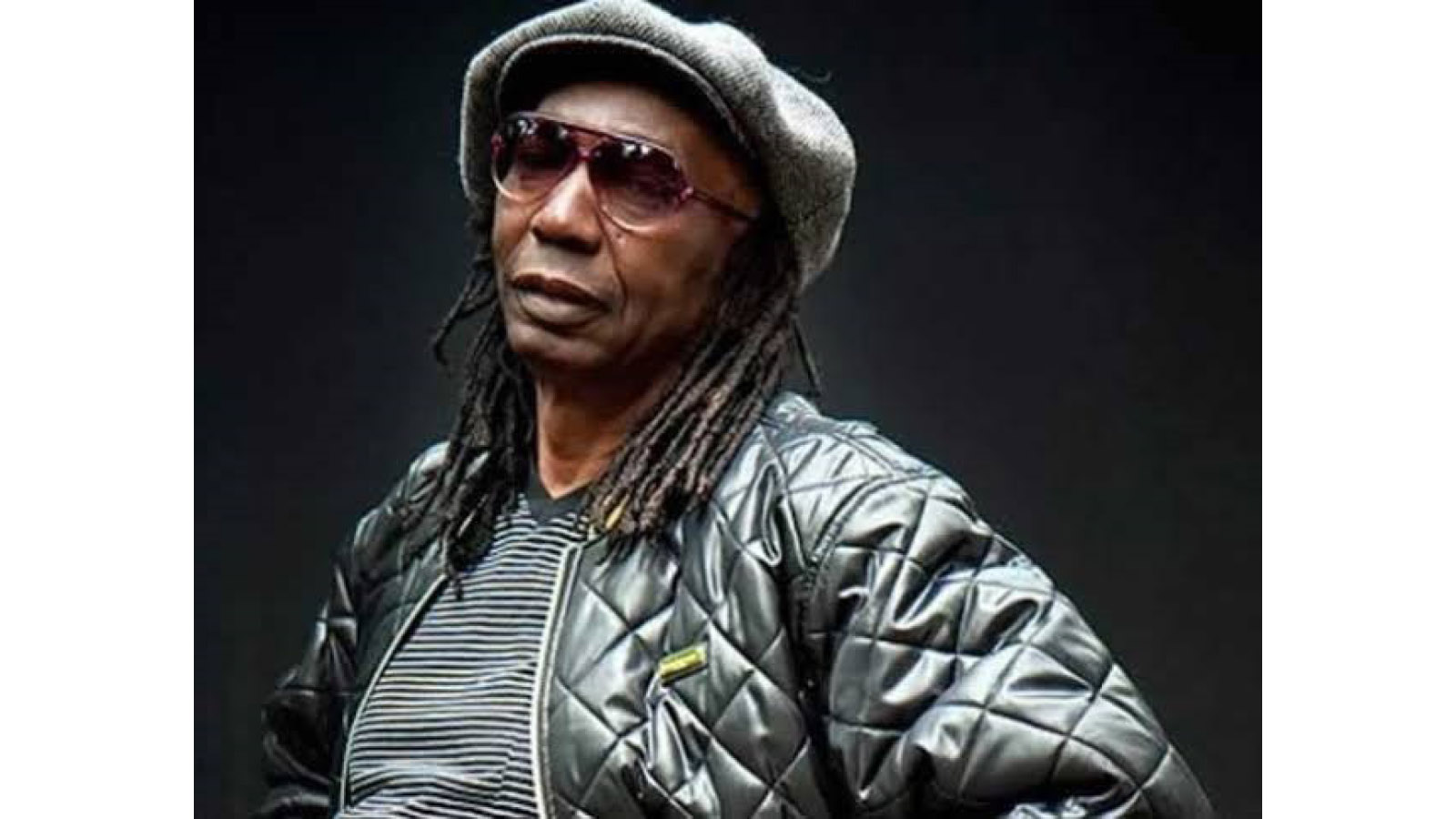
ONE of the country’s leading sungura musicians, Nicholas “Madzibaba” Zakaria has not been well for some time, and this has affected his music career which connects him with multitudes of fans.
He has been to forced to cancel shows and it is taking its toll even on his band,Khiama Boys whose members need regular gigs to make ends meet.
Inevitably, this has generated interest from stakeholders with fellow musicians and other individuals seemingly offering Madzibaba Zakaria some support. However,things have not been what they are made to appear on public platforms. In a music industry often clouded by self-promotion and performative compassion, Alick Macheso’s recent public concern over the treatment of Madzibaba Zakaria is a breath of fresh air—and a necessary wake-up call. Macheso, himself a towering figure in Zimbabwean music, has not only demonstrated loyalty to his mentor but also reminded the artistic community of the values that should underpin their relationships: respect, sincerity, and solidarity.
His influence spans decades, having mentored countless artists—including Macheso himself—and shaped the genre’s identity. That he now finds himself battling ill health is a moment that should inspire genuine support, not opportunistic exploitation.
Yet, as Macheso rightly pointed out, some individuals have chosen to use Zakaria’s condition as a platform for self-aggrandizement, parading their concern on social media and in public forums without offering meaningful assistance. Macheso’s intervention is both timely and courageous. In an era where social media optics often outweigh substance, it takes integrity to call out performative behaviour—especially when it comes from within one’s own industry. His message is clear: if you truly care, show it through action, not hashtags. Visiting Zakaria, contributing to his medical needs, or simply offering quiet companionship are far more valuable than a viral post or a camera-ready moment. Macheso is defending Zakaria’s dignity and also challenging the broader culture of superficiality that has crept into Zimbabwe’s entertainment circles.
Too often, artists and public figures rush to associate themselves with tragedy or misfortune—not out of empathy, but to harvest likes, shares, and fleeting relevance.This behaviour is not unique to Zimbabwe, but its presence here is particularly disheartening given the communal spirit that has long defined our creative traditions.
Macheso’s words also serve as a reminder of the responsibilities that come with fame and the sungura heavyweight is modelling the kind of leadership that the industry sorely needs.
Equally important is that Macheso’s concern underscores the importance of artist welfare in Zimbabwe.
Madzibaba Zakaria’s situation is not an isolated case. Many veteran musicians, after decades of enriching our cultural landscape, find themselves struggling in their later years—often without pensions, health insurance, or institutional support. The industry must confront this reality and begin to build structures that protect its pioneers.
Whether through unions, foundations, or collaborative initiatives, there must be a shift from reactive charity to proactive care.Music fans also have a role to play. They ought to resist the temptation to consume suffering as entertainment and it is important to celebrate musicians’ legacies while they are still alive, not just mourn them when they are gone.