Online Reporter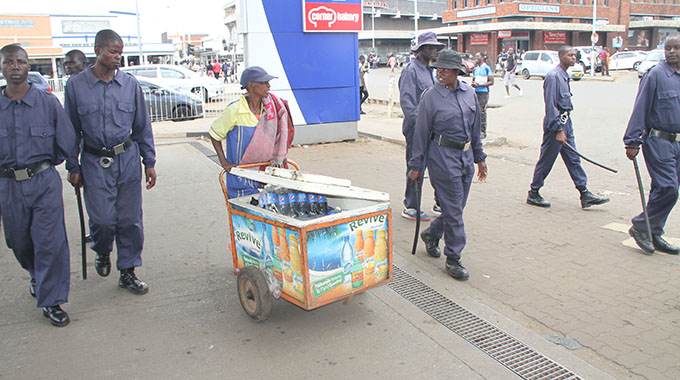
Zimbabwe’s decision to grant municipal police arresting powers marks a profound shift in local law‑enforcement dynamics — one that demands far more scrutiny, safeguards, and public accountability.
The core concern is simple: municipal police, especially in cities like Harare and Bulawayo, already have a long, well‑documented history of rogue behaviour. Extending their authority from issuing tickets and enforcing by‑laws to making arrests risks multiplying abuses rather than curbing disorder.
The government argues that empowering municipal police will improve enforcement of traffic regulations, vending by‑laws, and urban management. That is logical given that cities are struggling with congestion, informal trading, and deteriorating public order. But the gap between theory and practice is wide — and Zimbabweans know this better than most.
For years, residents have complained about municipal officers who operate more like extortion rings than public servants. Harare’s municipal police have been repeatedly accused of soliciting bribes from vendors, kombi drivers, and motorists, violent raids on informal traders, often destroying goods and assaulting civilians.
The other challenges including operating without clear identification, making accountability nearly impossible, ignoring due process, including unlawful confiscation of property.
Bulawayo has faced similar issues, with reports of municipal officers beating vendors, demanding “spot fines” that have no legal basis, and conducting night raids that resemble intimidation more than law enforcement.
The fear from residents is that granting arrest powers to officers who already struggle with professionalism and restraint is potentially dangerous.
Municipal police, as currently constituted, do not meet these standards. Many are hired on temporary contracts and lack formal policing qualifications.
Without deep institutional reform, giving them arrest powers is akin to handing loaded weapons to untrained hands.
As we embrace the new direction, municipal police should undergo the same foundational training as national police recruits. Arrest powers must be tied to formal qualifications, not simply employment in a council department. Officers who fail ethics or competency assessments should not be deployed.
Every municipal officer must wear visible identification numbers. Body‑worn cameras — already used in many countries to curb abuse — should be mandatory during arrests, raids, and public interactions. Footage must be stored independently to prevent tampering.
Also worth noting is that councils cannot investigate themselves. A national municipal‑policing oversight body should handle complaints, publish findings, and recommend disciplinary action. Residents must have a safe channel to report abuse.
Crucially, there should be strict limits on jurisdiction. Municipal police should only arrest for violations of municipal by‑laws, not criminal offences. Any criminal matter must be immediately handed over to the Zimbabwe Republic Police (ZRP). This prevents mission creep and reduces opportunities for corruption.
There will be need for transparent disciplinary records where officers found guilty of abuse should have their records publicly accessible. Repeat offenders must be dismissed, not transferred.
Public comments so far show consensus that empowering municipal police without first addressing their long‑standing culture of impunity risks worsening the very problems government intends to solve.
Based on social media concerns so far, residents agree that before municipal police are allowed to arrest, they must first prove they can be trusted.