Online Reporter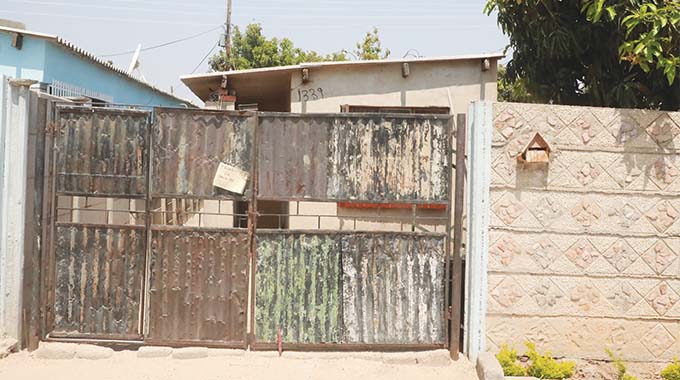
Peter Matika, [email protected]
EIGHT years ago, tragedy struck Old Magwegwe suburb in Bulawayo. Then aged 29, Silindi Ncube murdered his own sister in what many residents still describe as an act too painful to comprehend. After the crime, he disappeared without a trace, leaving behind a grieving family and a community haunted by unanswered questions.
For nearly a decade, his name was spoken only in hushed tones. Neighbours recalled his face with unease, mothers warned their children about him, and whispers of his whereabouts floated through beerhalls, churches and funerals.
Now, at 37, Silindi has resurfaced. His return has reignited old wounds, stirring emotions that range from anger to bewilderment, and prompting prophets and spiritual leaders to frame his reappearance as something far deeper than a matter of law and crime.
President of the Council of Churches in Africa (CCA), Bishop Dr Rocky Moyo, believes Silindi’s decision to return was not merely a surrender to justice, but the weight of a conscience tormented by guilt.
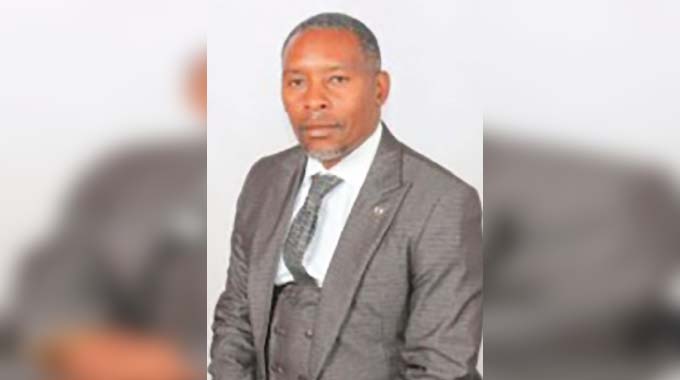
“Murder is the ultimate crime, and committing such an offence warrants one not just spiritually, but psychologically and emotionally to face the music. This man could have been haunted by the fact that he killed his own sister, and that alone can torment the soul,” he said
Moyo urged communities to use moments like this to reflect on forgiveness, mental health and the importance of dialogue within families. He warned against taking matters into one’s own hands, pointing instead to love, communication and faith as paths towards healing.
“His journey is one of redemption, and only through facing his past can he find peace. People should learn to communicate and understand the Holy Scriptures. Be known to God, learn to love, and all shall be well,” said Moyo.
“Also, as humanity, we are faced with a great scourge that threatens to wipe out an entire generation and that is drugs. Let us not let this happen. Drugs are silent dark forces created by the devil to lure us away from the path of Christ.”
Moyo called for a more significant focus on psychological support for families affected by violent crimes.
“They underscore the need for community discussions that promote healing without disregarding the gravity of the lost life. Understanding does not erase the pain. We must seek a balance between the spiritual narratives and the harsh realities we face,” he said.
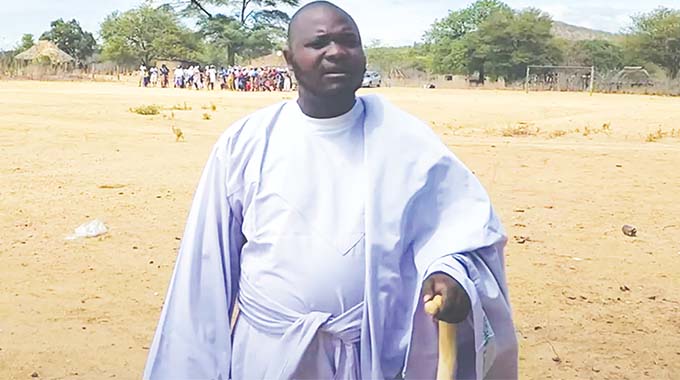
For Prophet Archbishop Emmanuel Mutumwa of Johane Masowe weChishanu in Selbourne Park, the story stretches beyond human psychology.
He said in the spiritual realm, a murdered person never rests until the killer is brought to justice.
“We have seen many people manifesting through others in church, demanding answers. Death does not end the spirit — it continues, and in some cases, it haunts,” said Mutumwa.
Mutumwa believes Silindi may have been spiritually pursued by his sister’s soul.
He said hauntings are the ultimate punishment as they can drive a man back into the open because peace is impossible until justice is done.
“There is a similar issue that I handled, where a person in South Africa committed murder and was haunted by the victim. The person keeps manifesting and demanding answers to why he murdered them,” said Mutumwa.
“As long as you commit murder, you will never find peace. Such hauntings are the ultimate punishment and can torment you to death.”
Mutumwa also connected the tragedy to a wider societal plague — drug abuse.
“Drugs are stripping people of their humanity. They give people reckless courage, pushing them to acts like murder. If we don’t fight this scourge, we are heading for a Sodom and Gomorrah,” he said.
“While some advocate for understanding and forgiveness, many others argue that no matter the circumstances, accountability must prevail. The desire for justice fuels ongoing discussions around the complexities of crime and punishment, especially when entwined with familial bonds.”
Mutumwa said spiritually, a murdered person will not rest until the assailant is captured and brought to justice.
“You may have heard about dreams being a gateway to another realm. Dreams can be seen as a gateway to the unconscious, revealing emotions, conflicts and desires. From a spiritual perspective, they can be conduits to spiritual insight, transformation, or even other realms.”
For the Ncube family and their neighbours, Silindi’s return is not a simple homecoming. It is a reopening of old wounds and an opportunity, however painful, for closure.
While some are calling for forgiveness and spiritual healing, others remain firm, saying justice must come first. The community now sits at the intersection of faith, grief and the law, forced to wrestle with the complex question: Can there ever be peace when blood has been spilled within a family?