Online Reporter
Zimpapers Entertainment Hub
RECENT news on the return of the Harare International Festival of the Arts (HIFA), especially after an eight-year hiatus, came as a very welcome and pleasant surprise.
For many years, it was one of the most influential multidisciplinary arts festivals on the African continent, which routinely transformed Harare Gardens into a vibrant hub of music, theatre, dance, spoken word and visual arts.
Its absence created a vacuum felt not only by artistes, but also by audiences, service providers, tourism operators and the broader creative economy. Now, its revival has sparked renewed optimism and a sense of cultural rebirth.
HIFA 2026 is officially scheduled to run from August 3 to 9, with organisers already mapping out subsequent editions for 2027 (April 26 to May 2) and 2028 (May 1 to May 7).
This long-term planning signals more than just a one-off return — it reflects a structured effort to rebuild HIFA into a consistent, sustainable cultural institution.
For stakeholders in the arts industry, the festival’s return raises critical questions: What will the new HIFA look like? Will it retain its historic magic? And, most importantly, what opportunities will it create for emerging and established creatives in a rapidly evolving artistic landscape?
HIFA curator Tafadzwa Simba has reassured audiences and stakeholders that the festival is being carefully reimagined while remaining rooted in its original identity.
“Every edition is unique in itself. The joy of a festival format is that audiences create their own special moments,” HIFA curator Tafadzwa Simba told The Sunday Mail Entertainment.
He, however, emphasised that the reincarnated festival is not being designed as a replica of past editions but as a refreshed cultural experience that allows space for discovery, surprise and artistic freedom.
It is believed that while the festival retains its multidisciplinary foundation, the programming approach will be more dynamic and layered, encouraging collaboration and experimentation across art forms.
The chosen theme for HIFA 2026 — “Up”— seems to encapsulate this vision. It symbolises elevation, recovery and creative resurgence in Zimbabwe’s arts sector.
“It is about the festival going up and continuing to lift up arts and culture, as well as the public’s spirits,” Simba added.
This framing, critics argue, is particularly significant given Zimbabwe’s creative industry has faced years of financial instability, limited international exposure and reduced large-scale platforms for artistic expression.
While organisers have not yet revealed the headline acts, Simba confirmed that performers and programme highlights will be announced gradually. This phased approach, the organisers said, is designed to build anticipation while ensuring that each artistic category receives focused attention.
“There is a unique rollout of the programme, which will sequentially introduce the acts to the public,” he said.
The strategy reflects a broader shift in how large-scale festivals are curated globally, where audience engagement is sustained over time rather than concentrated in a single announcement. For HIFA, it also allows organisers to balance international and local talent in a way that preserves the festival’s reputation for diversity and quality.
Discontinuation of HIFA over the past eight years, Simba also said, was due to various complex factors.
“It was not really about sponsorship challenges. With a large endeavour like HIFA, there is a multiplicity of factors inherent in its going up. Timing is an important factor. Obviously, Covid did not help and with a large undertaking such as HIFA — with many moving parts — it can take some time to properly put up a festival again.”
His explanation highlighted the structural difficulties of sustaining large cultural events, particularly in environments where funding cycles, logistics and global disruptions such as the Covid-19 pandemic can significantly delay planning and execution.
From an industry perspective, the return of HIFA is expected to have far-reaching implications beyond the arts scene. Historically, the festival has acted as a major economic driver, especially for Harare’s hospitality, tourism and service sectors. Hotels, guesthouses, restaurants, transport operators and informal traders typically experience increased demand for their services during the festival week, as both local and international visitors converge on the capital.
With the 2026 edition now confirmed, businesses are already preparing for an influx of visitors. Refurbishments, bookings and service upgrades are reportedly underway as stakeholders position themselves to benefit from the renewed activity. The festival’s impact also extends to creative entrepreneurship. Over the years, HIFA has provided a platform for emerging artistes to transition into professional careers, often serving as a launchpad for regional and international recognition.
Zimbabwean icons such as Hope Masike, Victor Kunonga and the late Oliver Mtukudzi and Chiwoniso Maraire have all graced its stages, while African and global legends including Angelique Kidjo, Salif Keita, Youssou N’dour, Hugh Masekela and Freshlyground have reinforced its international stature.
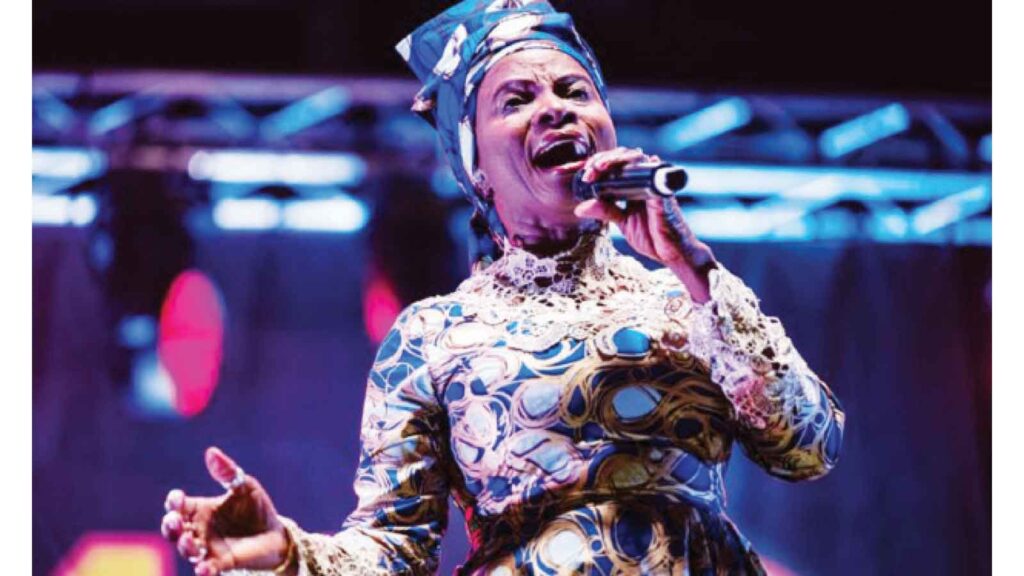
Angélique Kidjo
For many creatives, the return of such a platform represents renewed access to exposure, collaboration and industry networking opportunities that have been scarce in recent years.
Simba underscored this collaborative spirit, noting that it has always been central to HIFA’s philosophy.
“This collaboration has always been one of the core aims of HIFA. Those who have followed the festival over the years will recall the deliberate emphasis HIFA placed on collaborative efforts — not only for growth and exposure, but also for sharing Zimbabwean artistic skills and expertise with the rest of the world, while also giving audiences something new and unique which they do not ordinarily experience.”
Beyond performances, HIFA 2026 is expected to reintroduce a broader cultural ecosystem that includes workshops, public discussions, experimental showcases and cross-disciplinary collaborations. This approach positions the festival not just as an entertainment event, but as a creative incubator and cultural dialogue platform. Simba reiterated that empowering the creative sector remains central to the festival’s mission.
“We look forward to contributing to the lifting ‘up’ of the arts and culture scene, as well as lifting ‘up’ the spirits of audiences,” he said.
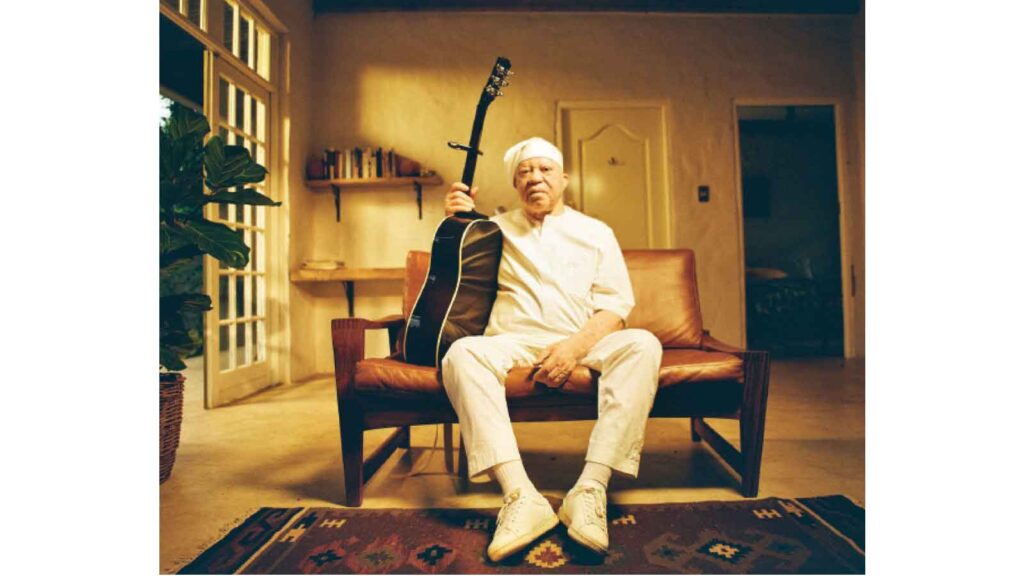
Salif Keita
In addition to the main festival, a series of supporting cultural events are expected to build momentum throughout the year. These include the stand-up comedy series “Laughter, the Best Medicine”, scheduled for June in Harare, before moving to Bulawayo, as well as later events such as the International Harare Air Show in September and “The Right Stuff” festival in December.
Together, these initiatives point to a broader attempt to sustain cultural activity beyond a single week, ensuring that the creative sector benefits from year-round engagement.
Since its founding in 1999, HIFA has been regarded as one of Africa’s premier arts festivals, celebrated for bringing together diverse artistic voices under one platform.
Its return after eight years is, therefore, seen not just as the revival of an event, but as the restoration of a cultural institution that has historically shaped Zimbabwe’s artistic identity.
For creatives, audiences and stakeholders alike, HIFA 2026 represents more than anticipation — it signals renewal, opportunity and the reopening of a major stage that once defined the rhythm of Zimbabwe’s cultural life.