Online Reporter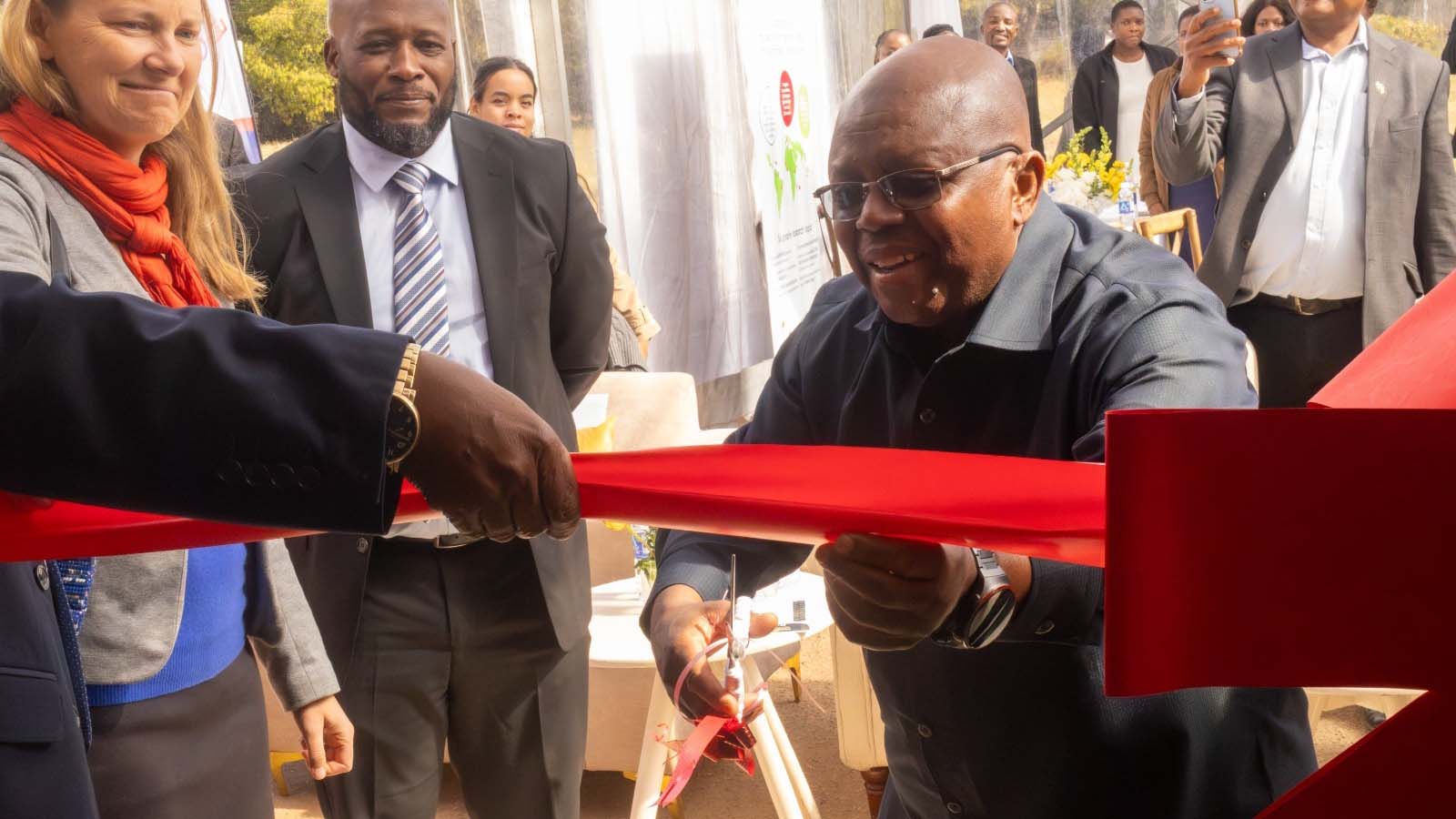
Harmony Agere
ZIMBABWE has commissioned a specialised Honey Testing and Profiling Laboratory as part of efforts to expand honey exports and improve access to high-value international markets.
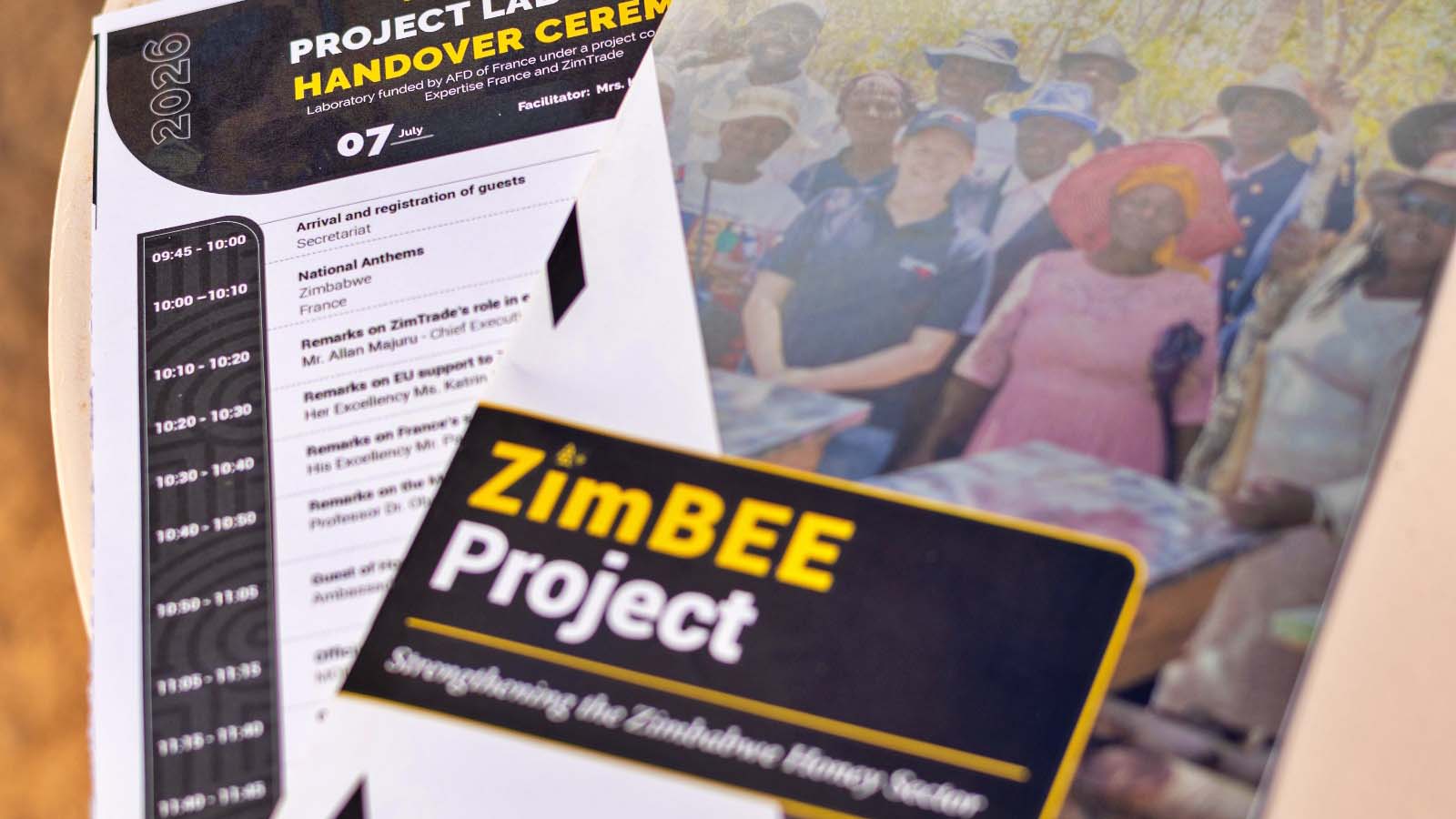
The facility, commissioned on Tuesday under the Zimbabwe Bee for Economic Empowerment (Zim-BEE) Project, is expected to strengthen the country’s export competitiveness by providing internationally recognised testing and certification services for locally produced honey.
Speaking at the ceremony, ZimTrade chief executive officer Mr Allan Majuru described the laboratory as a critical missing link in Zimbabwe’s honey export value chain.
He said the facility would help Zimbabwe meet stringent international quality requirements demanded by buyers.
“This was part of the gap, part of the missing link, the bridge that is required to bring our local producers closer to the global market,” he said.
“Through honey profile testing, Zimbabwe will now be better positioned to demonstrate the quality, authenticity and safety of its honey.
“This is a major step towards supporting the whitelisting process for Zimbabwean honey and by-products.”
According to ZimTrade, the laboratory was established under the 1,5-million-euro Zim-BEE Project, funded through the Trade Capacity-Building Programme of the Agence Française de Développement (AFD) and implemented by Expertise France in partnership with ZimTrade.
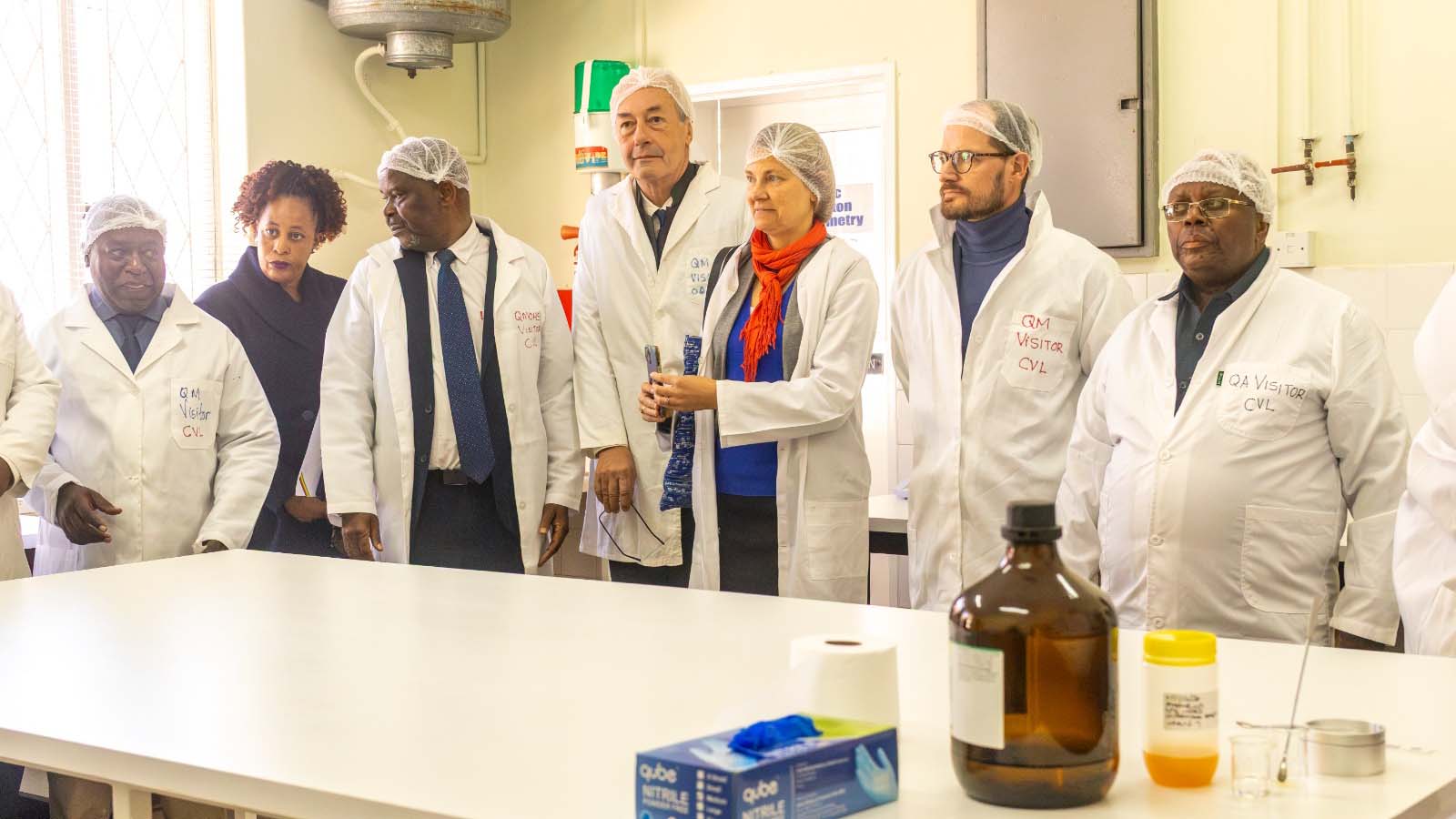
The Department of Veterinary Services will manage the laboratory and provide testing services that meet international market requirements.
The centre will conduct pesticide residue analysis, detect honey adulteration, verify botanical and geographical origin, and carry out comprehensive quality profiling in line with Codex Alimentarius standards.
These services are expected to improve product traceability, strengthen consumer confidence and increase Zimbabwe’s competitiveness in regional and global markets.
Mr Majuru said international buyers now demand scientific proof of product quality before purchasing.
“A buyer in Europe, the Middle East, Asia or anywhere else in the world does not simply say, ‘This honey is delicious.’ They ask about standards. They ask about residue levels. They ask about traceability … In other words, they want the honey to come with a passport,” he said.
“This laboratory will help provide that passport.”
He added that the laboratory would contribute to value addition, rural industrialisation and the commercialisation of smallholder enterprises.
“The handover of this laboratory therefore speaks directly to our broader national export agenda. It supports value addition,” he said.
“It supports rural industrialisation. It supports small-holder producers.”
Since its launch in March 2025, the Zim-BEE Project has supported more than 650 beekeepers in Matabeleland North, Mashonaland East and Manicaland through training in modern apiculture, business management, improved equipment and climate-smart beekeeping practices.