

 Online Reporter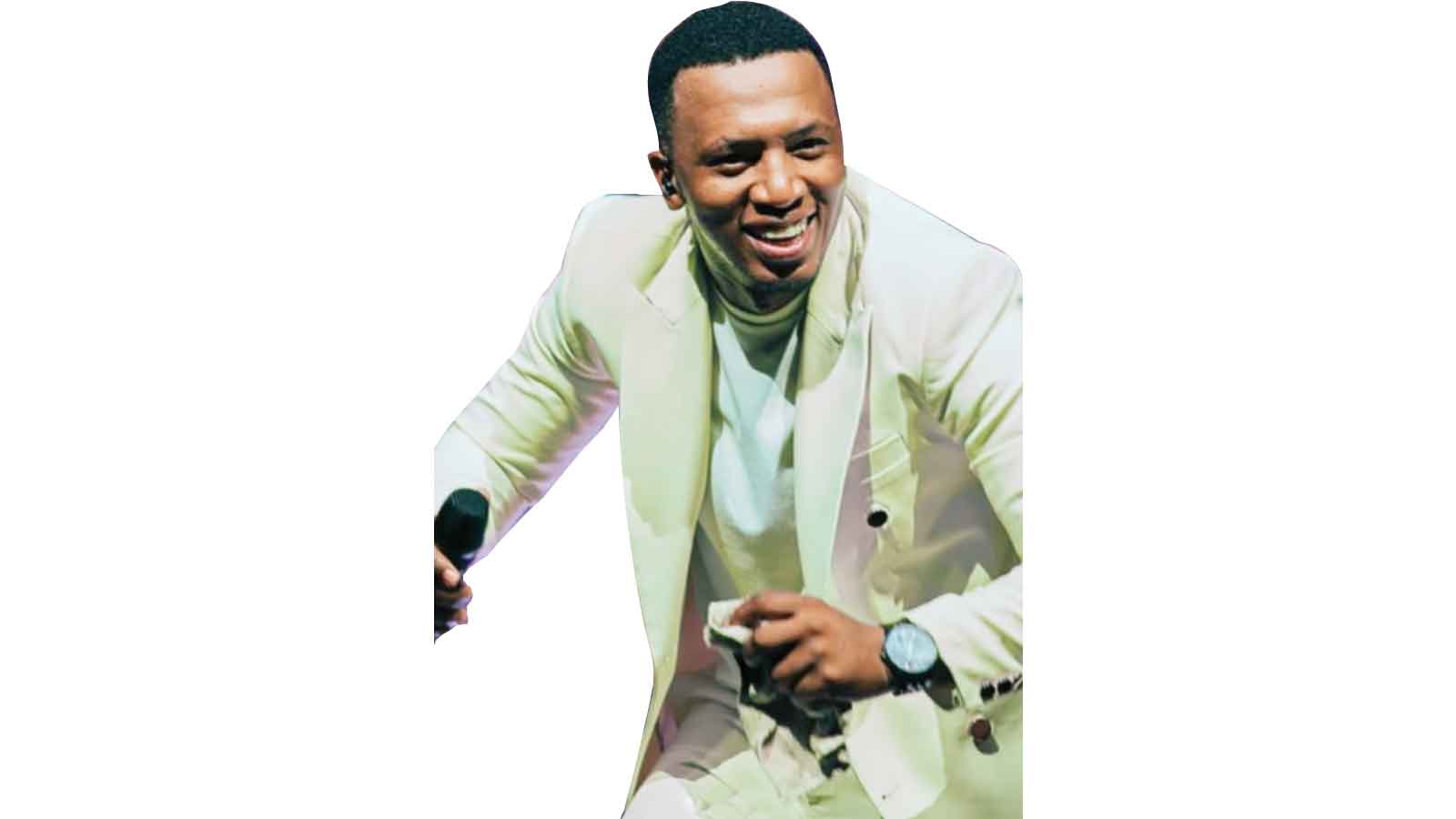
Zimpapers Entertainment Editor
EKHAYA Festival returns next month with growing importance on Zimbabwe’s gospel and events calendar, as this year’s edition combines celebration, talent development and cultural pride in one major gathering.
More than just a concert, the festival is steadily building a reputation as a platform that uplifts communities, creates opportunities for emerging artistes and strengthens Bulawayo’s position as a key cultural city.
At the heart of this year’s festival is the homecoming of award-winning gospel singer Everton Mlalazi, who will also host the event.
His return brings excitement, emotional connection and star quality to an occasion whose meaning continues to grow each year.
For many supporters, seeing one of Bulawayo’s finest musical exports headline a festival named “Ekhaya” is symbolic of success returning home.
The word “Ekhaya”, drawn from isiNdebele and isiZulu, means “home,” and organisers have embraced that identity by creating a space where worship, family values, culture and excellence meet.
It is this sense of belonging that has helped the festival grow into a crowd favourite.
Speaking ahead of the event, Mlalazi said returning to Bulawayo always carries deep meaning for him.
“Bulawayo is home. It is where my story was shaped, where I was encouraged and where many of my dreams first began. Every time I come back, I feel gratitude,” he said.
“To be part of Ekhaya Festival is powerful because the name itself speaks to me.
Home is where identity is formed, where healing happens and where love begins. So, this is more than a performance for me.”
This year’s edition has also won praise for opening doors to fresh talent.
Instead of depending only on established names, organisers have intentionally included a wide range of upcoming and rising acts, a move many believe is necessary for the future of the gospel music industry.
Among the newbies, those expected to perform are Mwenda Shimuzhila, Tehillah Testament, Minister Herman, Vusa Mangena, Conqueror, Vocal Base, Pastor Barak Family, Dunamis Men and Reality 7.
They will share the stage with seasoned names such as Caanan Nyathi, Oncemore Six, Loveness Mukutirwa, Mai Mwamuka, Lorraine Maplanka, Takesure Zamar, Zimpraise Choir, Blessing Jeduthun and Dumi Mkokstad, among others.
Mlalazi said empowering younger artistes was one of the most important parts of this year’s vision.
“We cannot keep talking about growth if we do not create platforms for others. Every established name was once unknown. Somebody gave us a chance, and now it is our responsibility to do the same,” he said.
“There are many gifted young ministers and musicians in Zimbabwe. Some only need one opportunity, one audience and one moment to be discovered. Ekhaya wants to be that bridge.”
Industry observers say such a model benefits everyone. Upcoming artistes gain exposure and confidence, while audiences are introduced to fresh voices. It also helps ensure the gospel sector continues to renew itself.
Preparations for the festival, according to Mlalazi, are already at an advanced stage.
“The team is working with excellence. We are paying attention to sound, stage production, safety, hospitality and every small detail because people deserve quality,” he said.
“We are not just preparing an event, we are preparing an experience. We want families, young people and worshippers to come and leave uplifted.”
Another major attraction this year is the cultural exchange expected through the presence of South African and Zimbabwean performers. The festival will celebrate shared African heritage through music, language, dress and tradition. Zimbabwean identities, including Ndebele, Shona, Kalanga and Tonga expressions, are expected to blend with South African influences in a colourful showcase of unity.
Mlalazi believes faith and culture should walk together.
“Our languages, our stories and our traditions are valuable. Culture gives people roots, and faith gives people direction. When those two meet in the right way, something beautiful happens,” he said.
Beyond entertainment, Ekhaya Festival is also expected to bring economic benefits through tourism, transport activity, food vending and accommodation bookings. Events of this scale continue to prove that culture can be both spiritually enriching and economically productive.
For Bulawayo, the festival is another reminder of the city’s strength as a destination for major arts events.
Mlalazi summed it up simply: “When people gather at Ekhaya, they are not just attending a show. They are coming home.”
With a strong line-up, deeper purpose and a commitment to building the next generation, this year’s Ekhaya Festival is shaping up to be one of its most meaningful editions yet.



