Online Reporter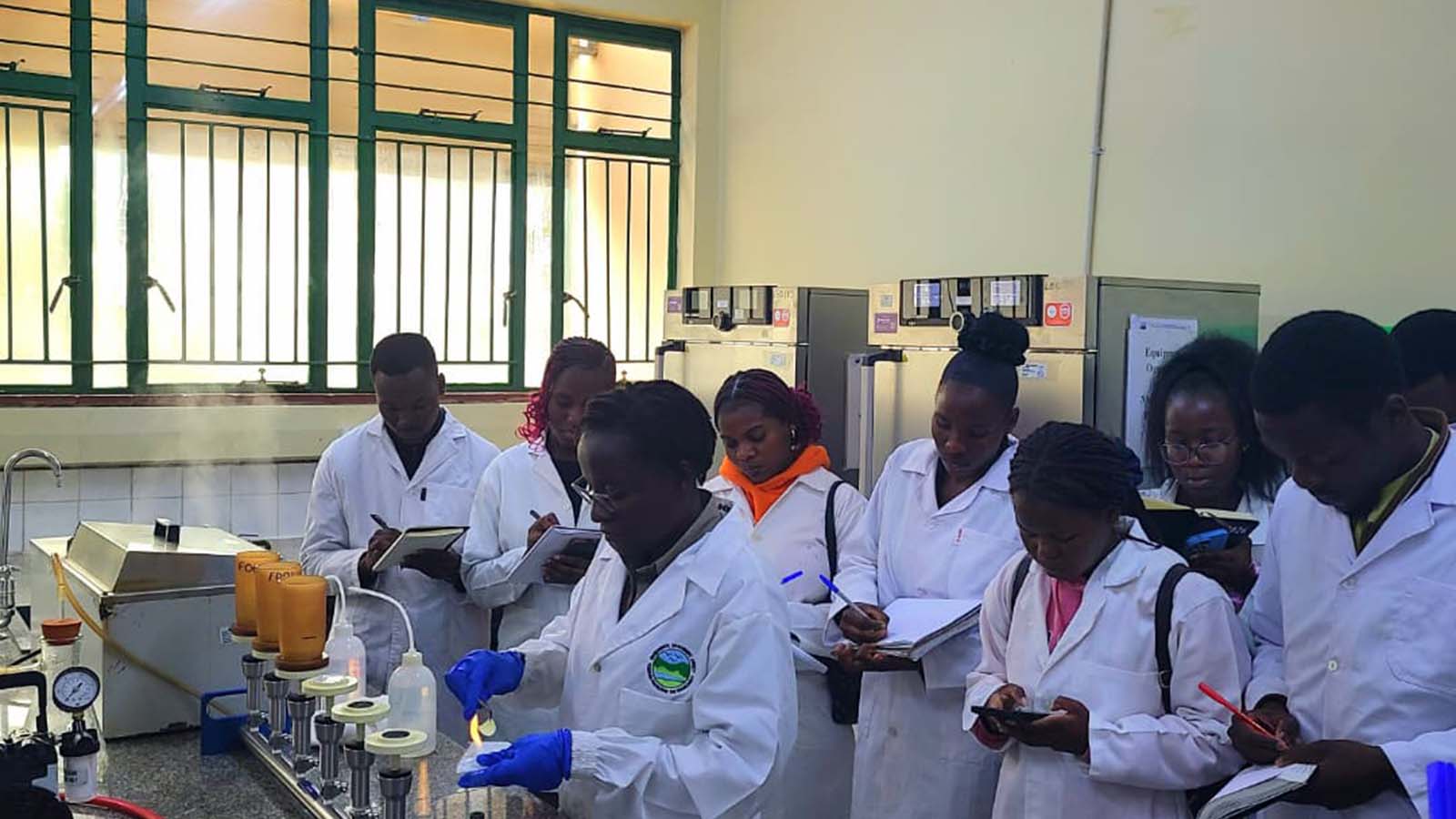
Obey Musiwa
Herald Reporter
THE Environmental Management Agency (EMA) is exposing university students to practical environmental science and potential career opportunities through tours of its laboratories.
The tour affords the students an opportunity to see world-class advanced equipment used to test the environment and generate scientific evidence for enforcing environmental laws.
Students from the National University of Science and Technology (NUST) toured the facility, where they watched live demonstrations of water, soil, air and plant-material testing as part of a course in environmental law and governance.
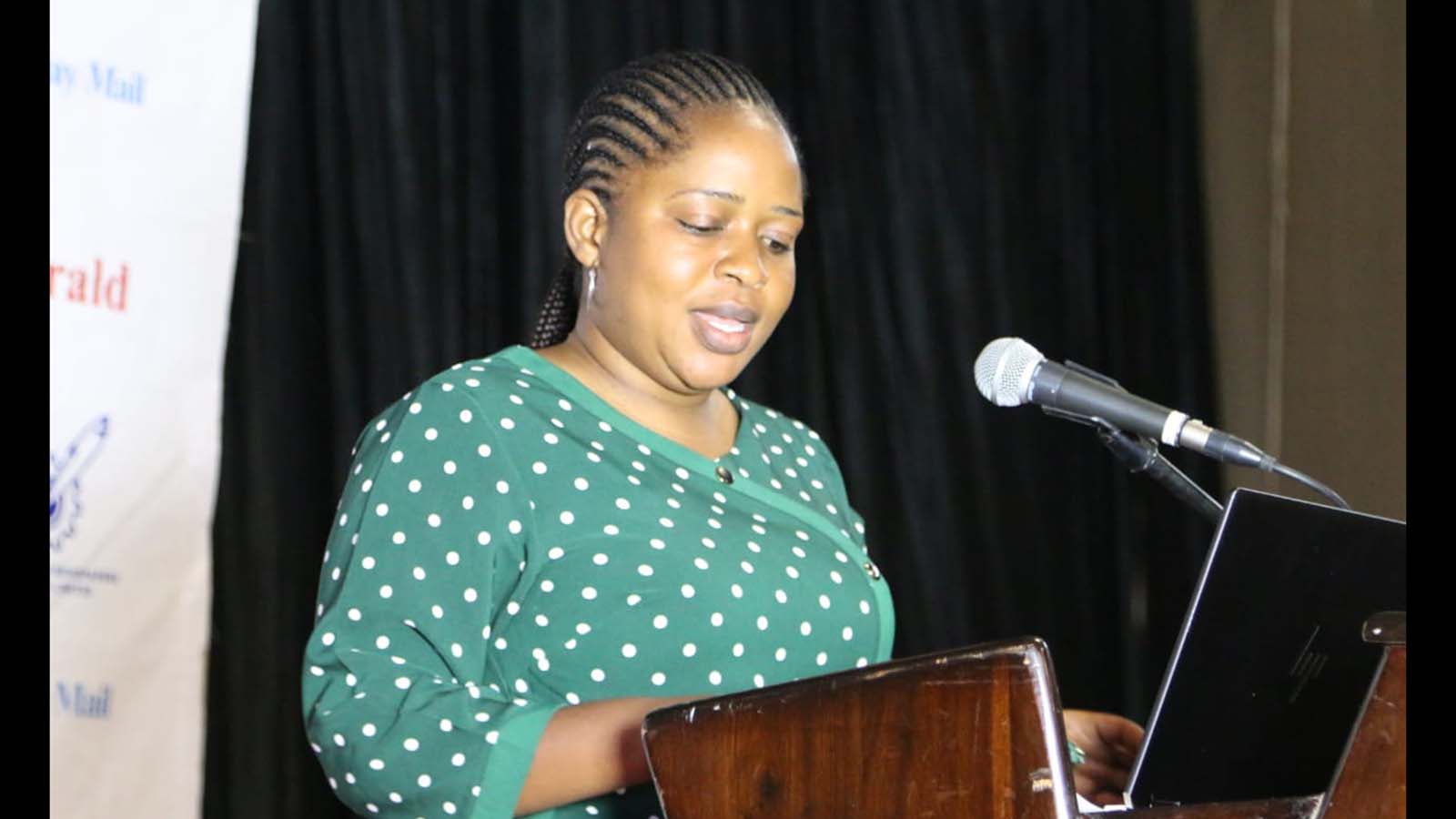
Speaking on the sidelines of the tour, EMA Laboratory Manager Ms Sylvia Yomisi said the tours show the nation what the agency provides in terms of testing.
She said they give students career guidance and a practical view of industry.
“They come and see what industry is doing so they can relate to their learning processes and also what is practical on the ground,” she said.
She added that the visits also market the agency’s services and open the door to research support for universities.
“We also support research from universities, so this was an opportunity for them to see what they can get from EMA.”
Ms Yomisi said the laboratory relies on highly accurate instruments, chief among them the inductively coupled plasma mass spectrometer (ICP-MS), which can measure almost all substances in the periodic table and identify unknown contaminants such as heavy metals, anions and earth metals.
“The environment can hold anything or can receive anything, but you need to detect what is there,” she said.
The EMA’s national laboratory, which has been accredited to the ISO/IEC 17025 international standard since 2012, has helped close this gap by providing internationally recognised testing services locally.
The facility has reduced the cost and turnaround time involved in detecting contamination in the country’s rivers, farmland and industrial effluent.
The laboratory also uses a gas chromatography mass spectrometer for volatile organic compounds, pesticide residues and hydrocarbons, an atomic absorption spectrophotometer for heavy metals in soils, water and wastewater, and incubators and a membrane filter for microbiology.
Ms Upenyu Makombo, a technician in the Department of Environmental Science at NUST, said the visit exposed students to the people who craft and enforce environmental law, including how prosecution relies on scientific analysis of samples brought to the laboratory.
“We got a chance to learn about how they manage the environment according to the law,” she said.
“The laboratory’s ISO certification and accreditation by the Southern African Development Community Accreditation Service (SADCAS) set it apart, as they assure the authenticity of its results.
“Even if we are going to enact laws based on these results from this lab, the laws are going to be actually helpful in protecting or having a sustainable environment,” she said.