

 Online Reporter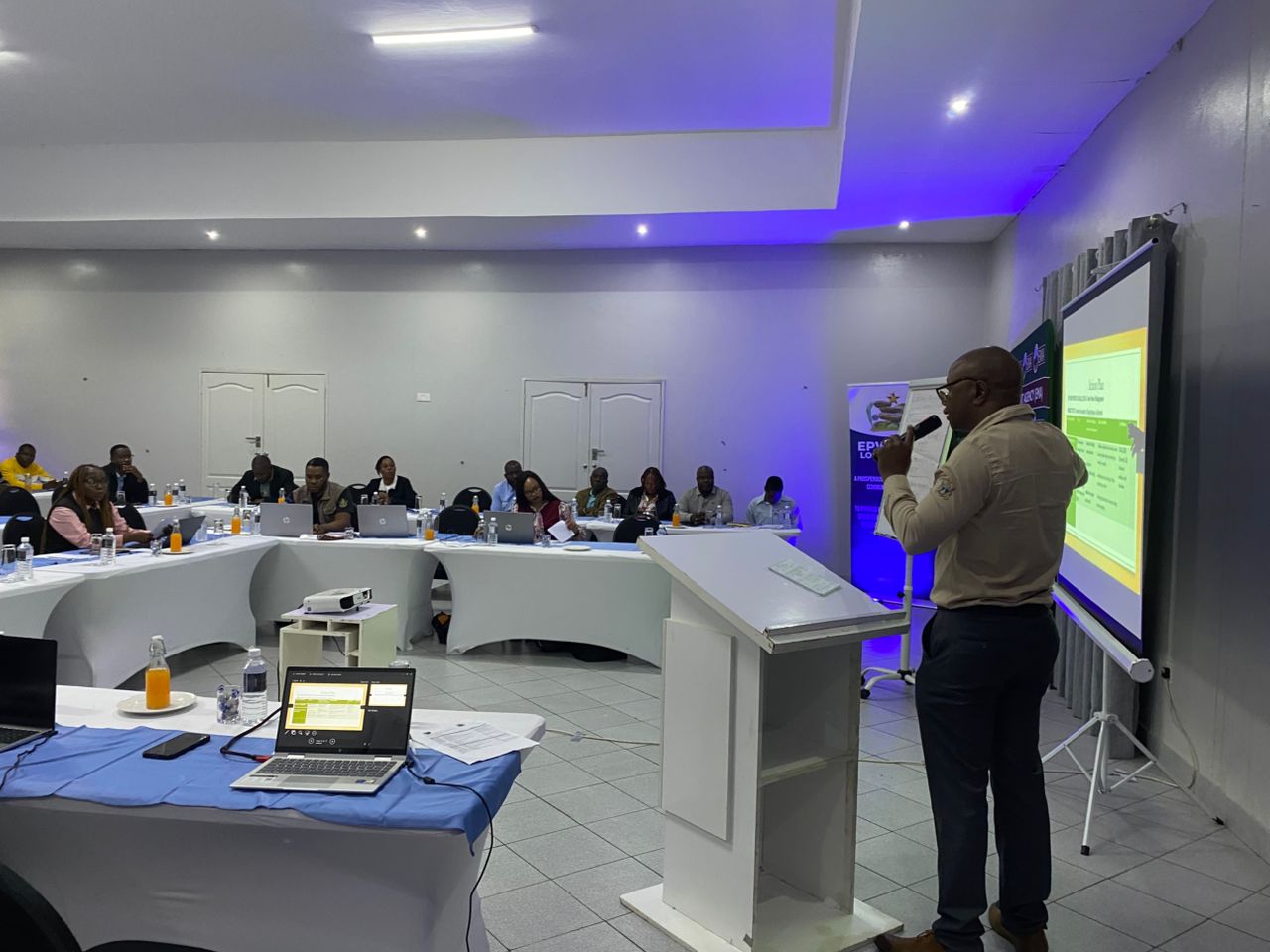
Obey Musiwa
Herald Reporter
THE Environmental Management Agency (EMA) on Thursday convened a two-day stakeholder workshop to review the Epworth Local Board’s Local Environmental Action Plan (LEAP), a blueprint designed to tackle pressing environmental challenges such as waste management, wetland conservation, and pollution control.
The initiative underscores how participatory governance can empower communities to safeguard their environment while aligning with national development priorities.
The review, being held in Harare, is not just a statutory exercise under Section 95 of the Environmental Management Act, but a human-centred process aimed at ensuring Epworth’s environmental strategies reflect the lived realities of its residents.
EMA provincial manager Leon Mutungamiri said that the LEAP must remain dynamic and responsive to emerging threats.
“The LEAP is not a static document. It must evolve to reflect emerging environmental threats, policy shifts, and the lived realities of the community,” he said.
“This consultation ensures that Epworth’s environmental action plan is practical, legally compliant, and truly owned by the people it is designed to serve.”
Mr Mutungamiri said the participatory approach is central to the review, ensuring inclusivity and shared ownership.
“Effective environmental management requires collaboration across all sectors of society,” he said.
“When communities, local leadership, and government agencies work hand in hand, a cleaner, greener, and healthier Epworth becomes possible.”
By involving local leaders, youth groups, NGOs, and Government officials, EMA is reinforcing the principle that sustainable environmental management is both a legal mandate and a community-driven responsibility.
In this regard, Mr Mutungamiri said LEAP is aligning with national and international frameworks and ensures broader impact.
“We are aligning Epworth’s LEAP with the National Development Strategy (NDS2) and commitments under the Convention on Biological Diversity. This ensures that local action contributes meaningfully to global environmental goals,” said Mr Mutungamiri.
He emphasised that youth and community participation are being strengthened to sustain progress.
“Young people are not just beneficiaries of environmental policies; they are active agents of change,” he said.
“By involving youth and children, we are building a culture of stewardship that will endure for generations.”



