Online Reporter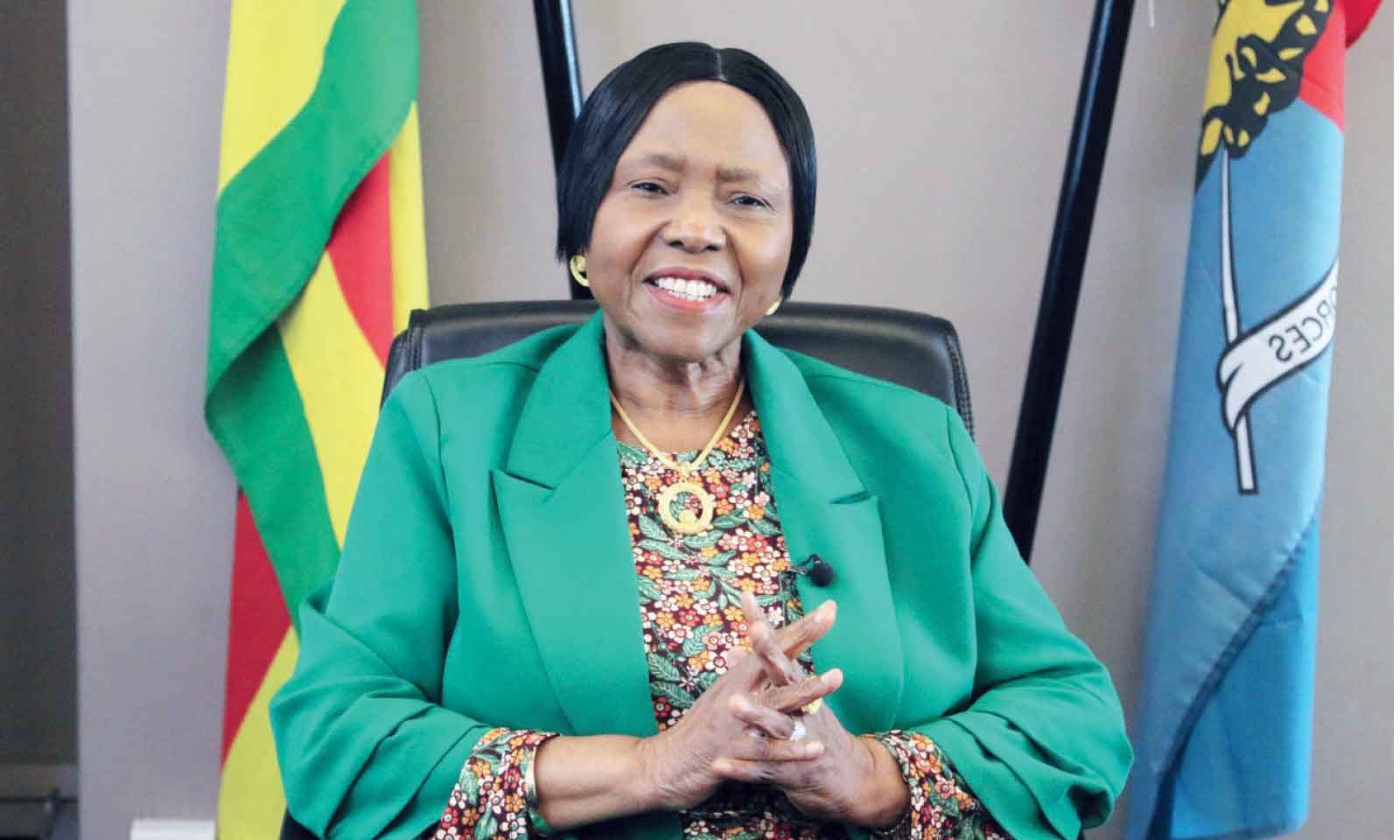
Joseph Madzimure
Zimpapers Politics Hub
ZIMBABWE commemorates the 38th anniversary of the Unity Accord on Monday, with a call on citizens to embrace one another and continue upholding the values of peace and reconciliation, key elements to attaining sustainable development in line with Vision 2030, Defence Minister Oppah Muchinguri-Kashiri said yesterday.
In an interview at her offices in Harare ahead of Unity Day, celebrated on December 22 every year, Minister Muchinguri-Kashiri, who is also Zanu PF national chairman, called for unity of purpose among Zimbabweans.
“Zimbabweans should cherish the gains of the Unity Accord, which continues to distinguish Zimbabweans globally in terms of being able to resolve its internal problems without external interference,” she said.
“This day is very important in the history of Zimbabwe because the Zimbabweans have a very long history of uniting and solving their own differences.
“You may recall that during the very early days where people decided to mount a very vicious resistance against the colonial government, all people were fighting in the corner of the Zimbabwe People’s Revolutionary Army (ZIPRA) until there was a breakaway between ZAPU and ZANU.”
Minister Muchinguri-Kashiri emphasised that the bond between these groups was rooted in their shared desire for liberation.
“Land was a crucial issue for them, and they both aspired to wage a war of liberation. Firstly, they wanted to negotiate but realised that negotiation would not shake the colonial system then.
“So, both of them decided that the armed struggle was the way to go to deal with the Ian Smith regime. It was now in the early 70s that we saw movement towards establishing liberation movements, where our leaders moved into neighbouring countries.
“This historic occasion marked the start of a new path towards the creation of a prosperous, unified, stable and democratic country,” said Minister Muchinguri-Kashiri.
She described the prevailing unity in the country as the most precious blessing bestowed upon it, adding that the unity gives citizens fortitude in the face of threats to independence and national security.
In 1980, ZANU won the general elections, marking a turning point in Zimbabwe’s political landscape. Initiatives to unite former warring groups, including ZANLA and ZIPRA, symbolised a commitment to national unity across political and racial lines.
Minister Muchinguri-Kashiri noted that reconciliation with the Smith regime post-independence underscored a move towards peace, as individuals who had been part of the previous government were allowed to live freely.
“Let me say that unity has always been at the core of ZANU PF. Unity, peace and development are the guiding principles of our political party, and this has always been a point of reference for the first seven years after independence,” she noted.
The Zanu PF-led Government has ensured no one and no community is left behind, reinforcing the ideals of the Unity Accord.
“On this National Unity Day, we have the chance to remember the tremendous progress made by our visionary President, Cde Mnangagwa, towards promoting unity, peace and development, as well as affirming the innate strength of our country,” she said.
Since 1987, Zimbabwe has emerged as a symbol of enduring peace and stability as a consequence of the Unity Accord.
The late former President Robert Mugabe and the late Vice President Dr Joshua Mqabuko Nkomo led the signing of the historic peace deal on December 22, 1987, to bring peace and unity in the country.
The Unity Accord is as a reminder that a commitment to inclusion, integration and reconciliation is essential for protecting Zimbabwe’s sovereignty, independence and territorial integrity.