Online Reporter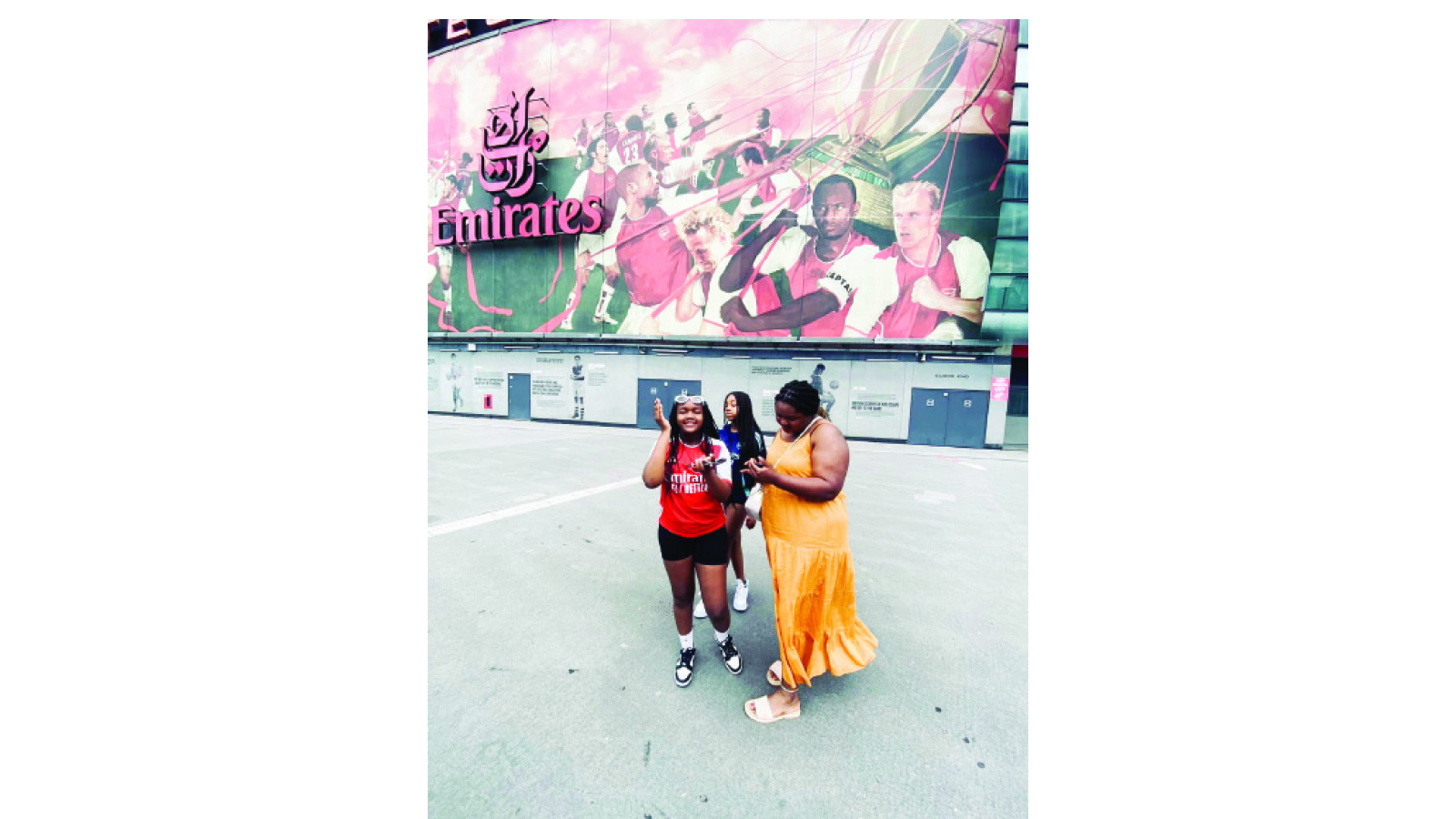
Robson Sharuko
H-Metro Editor
TEENAGE Zimbabwean schoolgirl Mikaylah Mushinga says ever since her arrival in England with her family, she has always been deeply affected by race.
In Chapter 9 of her book ‘I’m More Than The Black Girl,’ she addresses the issue. “Ever since I moved to England, I’ve always been deeply affected by race. It’s shaped how I see myself and the world around me,” she writes.
“But, I’ve noticed that not everyone understands that —not fully. Certain ethnicities, particularly many British people and some Americans, often move through life without ever having to think about race the way I do.
“They don’t carry it on their skin, in their name, or in the way they’re treated.
“But this time, something shifted. For once, I think they finally felt a glimpse of what I’ve carried for so long — because I gave it back to them. Mrs Church was our science teacher. I’d never had any real issues with her but I’d also never felt particularly connected to her. I didn’t dislike her but I definitely didn’t like her either.
“She shouted at me a lot because I talk too much but on that day something shifted between us. She said something, not even directed at me, but it made the hairs on the back of my neck stand up.
“In that moment, I wasn’t trying to hurt anyone. I didn’t fully understand the weight of what I was about to say or how it might land. But I said something sharp, something raw, and it cut.”
She adds:“I didn’t mean it too but it came out like a verbal mirror of what their words, their ignorance, their stares, their jokes had done to me for years.
“And, when I saw their reaction, I realised something, they have nerves, too. There are things that shake them, bruise them, challenge their comfort.
“It started in a science lesson. We were doing some random quiz activity — one of those filler sessions where no one’s really paying attention.
“I remember the slide clearly.
“The screen lit up with images of black people. At that time, it didn’t seem important — just a random stock photo, I thought but looking back, the image was everything. It was a trigger. Kye looked at the screen, then at me. Smirked. ‘Mikaylah, is that why you have a big forehead?’ I knew exactly what he meant. He was pointing at the people on the screen, most with wider foreheads. It wasn’t said out loud but the connection was there. Racial, unspoken, insidious.”
Then, Mikaylah fired back.
“I laughed not because it was funny but because laughter is sometimes the only armour you have. Then I fired back: ‘Shut up, you midget.’ And, that’s when Mrs Church flinched. Visibly. Her whole body jolted like she’d heard a gunshot.
“She turned to me like I’d committed something unspeakable. ’Mikayalah! That’s an ableist!’ Everyone laughed. I didn’t even know what ‘ableist’ meant. It sounded like one of those big, serious adult words teachers use to shut you down.
“Ableism —I wrote the word down. When I got home, I Googled it. Ableism— discrimination in favour of able-bodied people.
“I stared at the screen, not because I was shocked by the meaning but because it made me realise something, everyone has a sensitive spot.
“A few days later. I was called in by the head, I’d been reported, not by the boy who made the racial comment.
“By the teacher. She shouted at me —properly shouted.
“Told me what I said was ‘very ableist.’
I told her I hadn’t even known the meaning until I Googled it. She broke it down again like I should have had perfect vocabulary to defend myself in a classroom where my own pain was background noise.”
She adds: “When I told her what Kye had said, she sighed. ‘Well, that on its own is a racial comment,’ she said — almost like an afterthought.
“The next day she called us both in. We agreed not tto take action against each other. We both admitted we’d said things we shouldn’t have. And, just like that, it was over. “But, at that moment, I felt something strange. Not pride. Not guilty. Curiosity. I wondered — what else hurts them? If one word could make her flinch like that, maybe, there are other ways they bled. Other wounds they try to hide.
“I’m not saying it made what I said right — it didn’t. But, for once, they felt what I feel all the time. Just a glimpse. Just a shiver. Enough to make them flinch. And that taught me to think about the effect of my word on the next person.
“Everyone bleeds.”