Peter Tanyanyiwa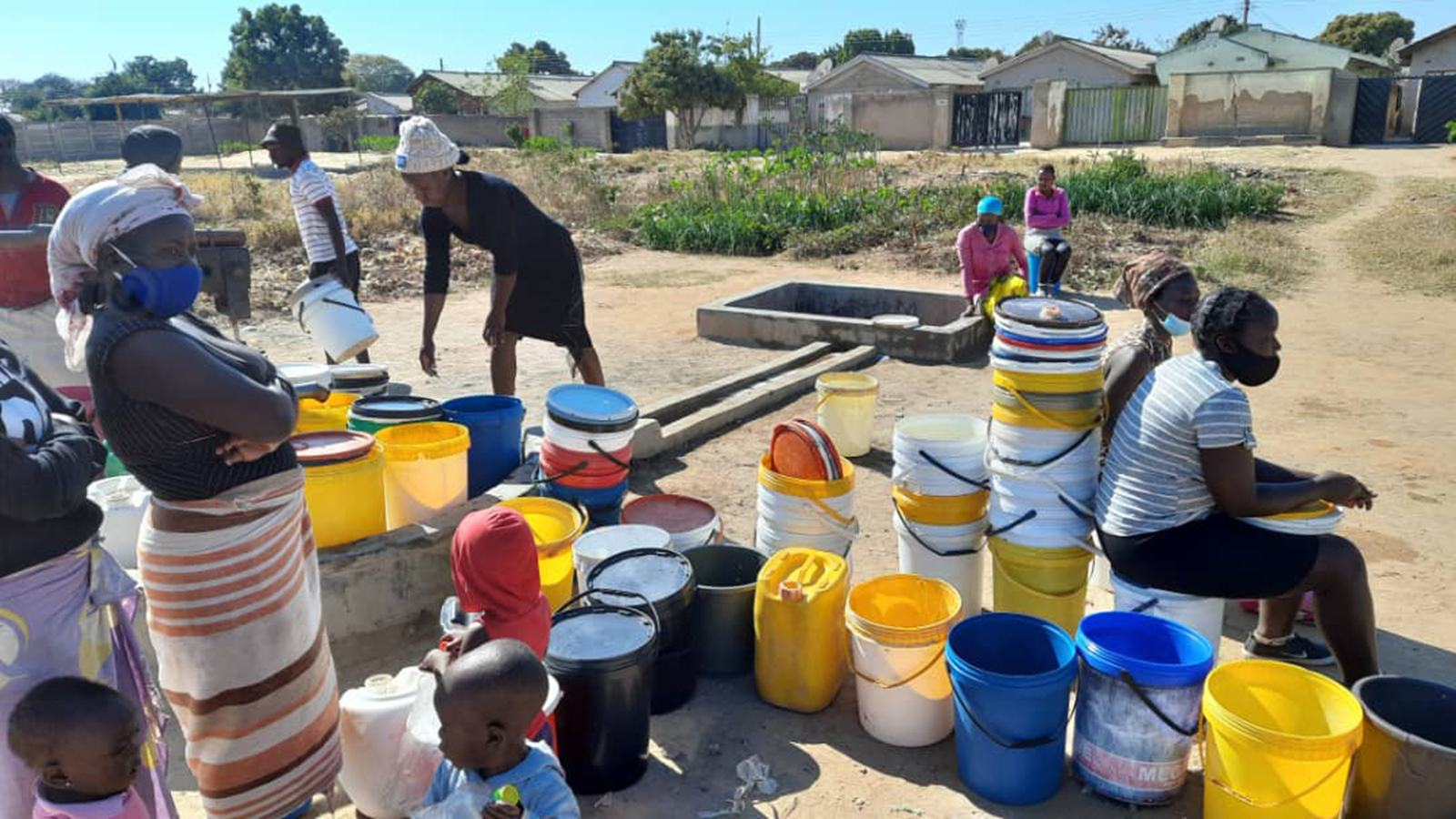
Peter Tanyanyiwa
Herald Correspondent
AS the third school term opens on Tuesday, September 9, 2025, the streets of Chitungwiza will once again echo with early morning footsteps of schoolgirls — many balancing textbooks in one hand and empty water buckets in the other.
For thousands, the return to class is shadowed by a daily ordeal: Fetching water, often before sunrise, in a city where taps remain dry and the burden of the water crisis falls heaviest on women and girls.
At 4am, 15-year-old Rudo joins a long queue at a local borehole in Zengeza West, her school uniform hidden beneath a faded tracksuit.
“If I wait until daylight, the queue will be too long and I won’t have water for our family,” she says.
“Sometimes I’m late for school, or I miss classes because I will be so tired.”
For Rudo and her peers, education is a dream pursued between the cracks of a broken water system.
Chitungwiza, with approximately 410 000 residents, requires at least 70 megaliters of water daily. Yet, according to the local municipality, less than 13 megaliters currently reach the city—leaving hospitals, schools, and homes without reliable supply. The consequences are dire: children miss school, diseases like cholera threaten communities, and the dignity and safety of girl children are constantly at risk.
With the new term beginning, teachers and parents fear that girls will fall further behind.
“We see many girls absent or sleeping in class during the first weeks,” says a headmistress at a Chitungwiza primary school.
“They carry the heaviest load at home—fetching water, caring for siblings, and dealing with the shame of poor hygiene at school.”
According to UNICEF Zimbabwe, access to safe water is a critical determinant of girls’ school attendance.
“The time lost in water collection, compounded by the health risks of contaminated sources, disproportionately affects girls’ ability to learn and thrive,” the agency notes in a recent report.
The few functioning water points have become flashpoints for gender-based violence and harassment. Reports by the Sprout Women Empowerment Trust (SWET) and the Women4Water Movement document a rise in intimidation, sexual harassment, and even assault at communal water sources—especially before dawn or after dusk.
“Water points have become hunting grounds for predators,” says Ms Caroline Mutimbanyoka, Director of SWET and Team Leader of Women4Water.
“We have documented cases where girls are coerced into exploitative relationships with men who control access to water. The fear is constant, but their voices must be heard.”
For many families, survival now means rationing every drop.
“We use one bucket for everything—bathing, cleaning, even flushing toilets,” says another student who requested anonymity.
Ms Mutimbanyoka highlights the hidden cost of this crisis: “The burden of unpaid care work is crushing our girls’ futures. Every hour spent queuing for water is an hour stolen from their education and their childhood. It’s a daily struggle that keeps women and girls trapped in poverty.”
SWET and Women4Water are calling for urgent, gender-responsive investment in water infrastructure.
“Emergency measures like water trucking and borehole drilling offer short-term relief, but they are not sustainable,” says Mutimbanyoka.
“We need the government, donors, and the private sector to prioritize long-term solutions—modernizing water systems, building new treatment plants, and fast-tracking the long-promised Muda Dam.”
She adds, “Women must have a seat at the table when water budgets and policies are discussed. Only by empowering communities—especially our girls—can we break the cycle of thirst, disease, and abuse.”
Section 77 of Zimbabwe’s Constitution guarantees every citizen the right to safe, clean, and potable water. But for Chitungwiza’s girls, this right remains elusive.
“Access to water is not just about pipes and pumps,” says Mutimbanyoka, “it’s about dignity, safety, and the future of our children. As schools reopen, we cannot ignore the voices of our girls. Their education, health, and dreams depend on it.”
As the sun rises over Chitungwiza and the school gates swing open, the lines at the boreholes grow longer, and the dreams of many girls grow heavier.
“We live in fear and thirst,” Mutimbanyoka says. “But we will not be silent. Our voices—and our lives—matter.”


 Online Reporter